
Ebola response worker who traveled from DRC to France is first in outbreak to test positive outside of Africa
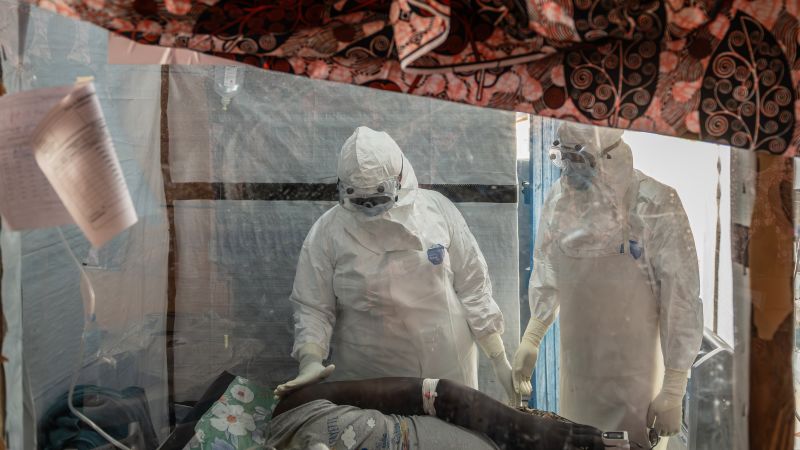
France Reports First Confirmed Ebola Case Outside Africa Amid DRC Outbreak
Ebola response worker who traveled – French health authorities announced on Wednesday that a patient has tested positive for Ebola after returning from a humanitarian mission in the Democratic Republic of the Congo (DRC), where the virus is currently spreading. This marks the first documented case of the disease in France and the first instance of a positive test result outside the African continent during the ongoing second major Ebola outbreak in the DRC. The confirmation has raised concerns about the potential for the virus to spread beyond the region, though officials have emphasized that the risk remains minimal for the general European population.
Outbreak Context and Viral Strain
The current Ebola outbreak in the DRC is being fueled by the Bundibugyo strain, a less common variant of the virus that has not yet had a dedicated vaccine or specific treatment developed. According to the latest data from the World Health Organization (WHO), the outbreak has claimed at least 277 lives in the DRC and two in Uganda. Over 1,000 confirmed cases have been reported in the DRC alone, highlighting the severity of the situation. This strain’s prevalence has posed unique challenges for containment efforts, as it spreads similarly to the more familiar Zaire strain but with slightly different clinical manifestations.
French health officials stated that the patient, who has not been publicly identified, is in stable condition following immediate admission to a specialized medical facility upon their return. The individual was placed in isolation as soon as they arrived in France, and measures were taken to ensure secure transportation to the hospital to prevent transmission. A comprehensive epidemiological investigation is now underway to trace the patient’s contacts and assess the extent of exposure.
Precautionary Measures and Monitoring Systems
As part of the response, all individuals who may have had contact with the French patient will undergo a 21-day home isolation period. Health authorities will closely monitor these contacts to detect any early signs of infection. French officials reiterated that the European Centre for Disease Prevention and Control (ECDC) has classified the risk of Ebola infection in Europe as “very low,” citing robust preventive protocols in place. The country has also implemented a dedicated monitoring system for humanitarian workers returning from the DRC, ensuring rapid detection and response to potential cases.
French health ministry spokespersons highlighted the swift action taken to isolate the patient and contain the situation. “Immediate measures were applied to prevent any risk of transmission,” they noted in a statement. This approach reflects the nation’s preparedness for emerging infectious threats, particularly in light of recent global health developments.
Global Response and Antiviral Trials
While the outbreak continues to intensify in the DRC, WHO officials warned that the situation is still evolving. “The outbreak is continuing to outpace the response,” said Dr. Chikwe Ihekweazu, head of the WHO Hub for Pandemic and Epidemic Intelligence. Despite increased efforts to manage the crisis, contact tracing has remained a critical challenge, with officials stressing that even a 99.9% success rate is insufficient for containment. “We have to keep pushing to the very end to get all new cases emerging from known contact lists,” Ihekweazu added, emphasizing the need for sustained vigilance.
Meanwhile, the WHO announced that trials for two experimental antivirals are set to begin next week. These therapies will be administered to confirmed cases to evaluate their safety and efficacy against the Bundibugyo strain, either independently or in combination. The trials represent a significant step in the development of treatment options for the virus, which has previously limited to supportive care.
Historical Perspective and International Risk
WHO Director-General Tedros Adhanom Ghebreyesus addressed concerns about the international spread of Ebola, noting that fewer than 30 cases have been reported outside Africa since the first outbreak five decades ago. “No need for panic,” Tedros said at a news conference, adding that the risk of the virus spreading to other regions remains low. He acknowledged that previous instances of Ebola cases abroad, such as the one involving American doctor Peter Stafford, were handled effectively without widespread alarm.
Stafford contracted the virus while working in the DRC earlier this year and was evacuated for treatment in Germany before returning to the United States. This case, though notable, did not disrupt global containment efforts. Tedros used Stafford’s experience to underscore the importance of maintaining calm and focused responses to the outbreak. “Whenever a case happens in Europe or other parts of the world outside Africa, I see overreaction, but I don’t think overreaction is needed,” he said, reinforcing the WHO’s stance on the low likelihood of large-scale transmission.
The Bundibugyo strain, which is responsible for the current DRC outbreak, is known for its ability to cause severe disease in humans, though its transmission rate is slightly lower than that of the Zaire strain. Scientists have been working to understand its genetic differences and how it might affect treatment outcomes. As the number of cases continues to rise, the international community is closely monitoring the situation, with France’s case serving as a reminder of the virus’s global reach.
Officials in the DRC have described the outbreak as the worst in the country’s history, with the Africa CDC reporting alarming levels of transmission. Despite the gravity of the situation, the WHO has maintained that the global risk of Ebola spreading beyond the region is minimal. The focus remains on strengthening local response strategies, improving healthcare infrastructure, and ensuring rapid identification of cases through expanded testing and surveillance.
