
Swimmer bitten on the foot at New York City beach in a suspected shark attack
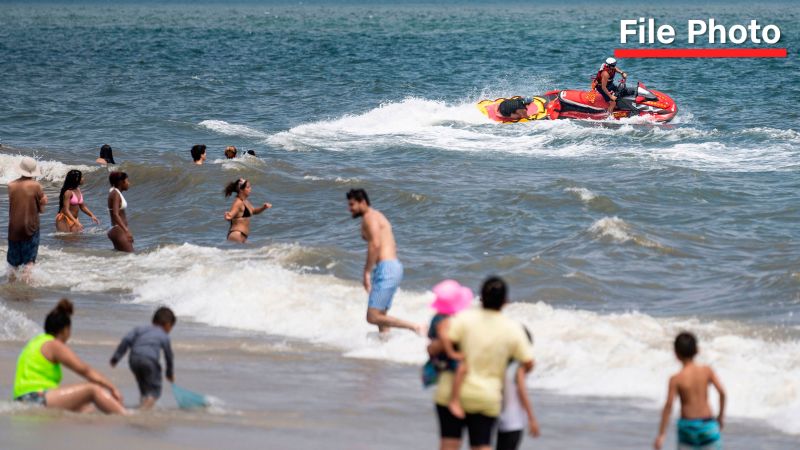
Shark Attack Injures Swimmer at NYC Beach, Prompting Temporary Closure
Incident at Jones Beach Sparks Emergency Response
Swimmer bitten on the foot at New – A New York City beachgoer sustained a serious injury on their foot Friday afternoon during what appears to be a shark attack at Jones Beach, leading to an immediate emergency closure of the area. According to the New York City Parks Department, the incident occurred in the state park’s Field 6, where the victim was swimming when they suffered lacerations. Lifeguards on the scene swiftly intervened, and an ambulance was dispatched to transport the individual to a hospital for treatment. While the injuries were not life-threatening, the event has raised concerns about safety in the region’s waters.
Authorities have since reopened the beach after an hour-long search for sharks and other hazardous marine life yielded no results. The Parks Department confirmed that swimming was restricted to wading up to swimmers’ waists during the temporary closure. This precaution follows a pattern of unusual activity in the area, with multiple shark sightings reported just a day earlier at other beaches in New York City and Long Island. The sightings prompted officials to issue warnings and implement intermittent closures, emphasizing the need for vigilance among beachgoers.
Heatwave Drives Increased Water Activity
The recent closures align with a prolonged heatwave that has intensified across the eastern United States, drawing large crowds to coastal areas. With temperatures reaching record levels, more people have flocked to beaches for relief, increasing the likelihood of encounters with marine life. This surge in activity has also led to heightened efforts by authorities to monitor the waters, including the deployment of drones to track sharks in real time. Such technology has become a key tool in identifying potential threats, though its effectiveness remains under scrutiny.
On Thursday, lifeguards at Rockaway Beach in Queens reported multiple shark sightings, prompting the city to impose intermittent closures. The New York City Emergency Management agency issued a public advisory, urging beachgoers to heed lifeguard instructions and remain cautious. Further east, a shark was spotted off the coast of Point Lookout, leading to the immediate evacuation of swimmers and the temporary closure of that beach and neighboring Hempstead shores. These measures underscore the ongoing efforts to balance recreational access with safety protocols in the face of rising marine activity.
Shark Sightings on the Rise, But Bites Remain Uncommon
While shark sightings have become more frequent in recent weeks, experts emphasize that such events are still relatively rare. According to Gavin Naylor, director of the Florida Museum of Natural History’s shark research program, the annual number of unprovoked shark bites worldwide is estimated to range between 60 and 80. This statistic highlights the low probability of encountering a shark attack, even as more sightings are recorded.
“Sharks are commonly found in the waters off the United States, but bites are uncommon,” said Naylor in a statement to The Associated Press. “It’s extremely rare for two or more people to be bitten in close proximity, which makes this incident noteworthy.”
Authorities attribute the recent increase in sightings to the use of advanced monitoring techniques, including drones and improved reporting systems. These tools have enabled quicker identification of sharks, allowing for timely alerts to beachgoers. However, the presence of sharks does not always translate to attacks, as many species are harmless to humans and typically avoid them. The incident at Jones Beach, though alarming, is a reminder of the unpredictable nature of marine life.
Historical Context and Seasonal Trends
Historically, shark attacks in New York City have been infrequent, with most incidents occurring during the summer months when water temperatures are warmer and swimmer activity peaks. The current situation, however, has created a sense of urgency among officials. The combination of elevated water temperatures and increased human presence in the ocean has raised questions about whether these factors contribute to higher shark activity in the region.
Although the exact cause of the attack at Jones Beach remains under investigation, the proximity of the incident to other sightings suggests a possible trend. The Parks Department has not yet confirmed the species involved, but preliminary assessments indicate that the attack was likely caused by a smaller shark, such as a blacktip or tiger shark. These species are known to frequent coastal areas and are often responsible for the majority of unprovoked bites in the region.
Community Response and Safety Measures
Local residents and visitors have expressed a mix of concern and curiosity about the incident. Many have taken to social media to share their experiences and theories, with some questioning whether the closure was overreacted. Others have called for additional safety measures, such as increased lifeguard presence or the installation of shark barriers. The Parks Department has pledged to review its protocols and evaluate the effectiveness of current monitoring strategies.
In the aftermath of the attack, the city has intensified its efforts to educate the public about shark behavior and safety precautions. Emergency Management has launched a campaign highlighting the importance of heeding lifeguard warnings and staying aware of one’s surroundings. While the risk of a shark attack remains low, the incident has served as a timely reminder of the need for preparedness in areas where marine life is abundant.
Broader Implications for Coastal Safety
The recent events have sparked a broader conversation about coastal safety and the role of technology in mitigating risks. With more than 100 million people living within 50 miles of the ocean in the U.S., the increasing use of drones and other monitoring tools is seen as a proactive step. However, experts caution that these measures should complement, rather than replace, traditional methods such as patrols and public education.
As the heatwave continues, officials are also considering long-term strategies to manage marine life interactions. These include research into shark migration patterns and the development of predictive models that can alert communities to potential high-risk periods. For now, the focus remains on ensuring that beachgoers are informed and protected while enjoying the summer’s warm weather.
Despite the temporary closures and heightened awareness, the incident at Jones Beach has not deterred the public from visiting the water. With the season still in full swing, many remain committed to their summer activities, hoping that the measures taken will prevent further incidents. As the investigation into the attack progresses, the city will likely share more details about the circumstances that led to the bite, providing clarity for both residents and visitors.
For now, the combination of natural conditions, technological advancements, and human activity has created a unique scenario where even rare events take on greater significance. The swimmer’s injury, while isolated, has prompted a renewed emphasis on safety and preparedness, ensuring that the community remains informed and ready for any further developments.
