
Scott Pelley erupts at CBS leaders over ‘60 Minutes’ overhaul
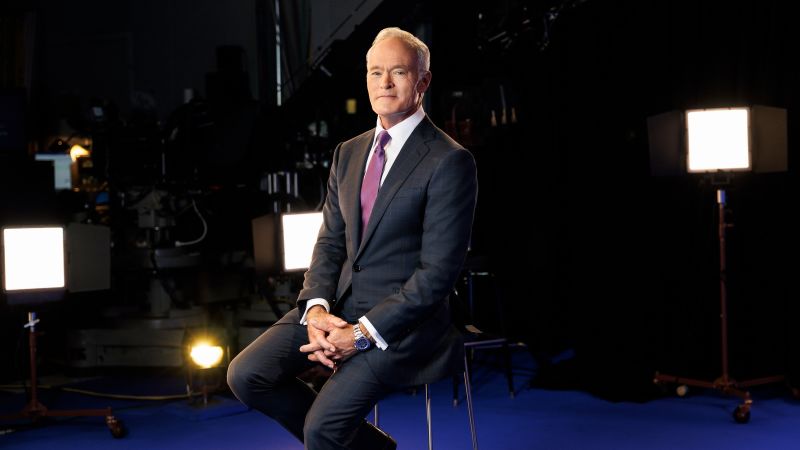
Scott Pelley Confronts CBS Executives Over ’60 Minutes’ Transformation
Scott Pelley erupts at CBS leaders – CBS News found itself in the midst of a leadership crisis this week after its iconic ’60 Minutes’ correspondent, Scott Pelley, openly criticized the network’s editor in chief, Bari Weiss, for what he described as an aggressive attempt to revamp the long-running program. The confrontation occurred during a pivotal meeting between the show’s staff and its newly appointed executive producer, Nick Bilton, who was hired by Weiss to lead the reimagining of the top-rated newsmagazine. Pelley’s outburst highlighted growing concerns among veteran producers and correspondents about the direction of the show under new management.
Shifting Leadership and Staff Reactions
Just days before the meeting, Weiss had stunned the television news world by appointing Bilton, a former tech reporter with no prior experience in traditional broadcast journalism, as the show’s executive producer. This move marked a significant departure from the program’s established style, which has long been defined by in-depth investigative reporting and a signature blend of storytelling and hard-hitting analysis. Bilton’s appointment came after the dismissal of Tanya Simon, a longtime executive producer, along with two senior correspondents—Sharyn Alfonsi and Cecilia Vega—raising eyebrows across the industry.
During the Monday meeting, Pelley accused Weiss of “trying to kill” ’60 Minutes,’ a sentiment that echoed the frustrations of many within the team. When Bilton expressed confidence that Weiss cherished the show, Pelley shot back,
“She is murdering ‘60 Minutes.’ She does not love this place. She was brought in to kill it, and she’s been doing exactly that.”
His remarks were met with immediate approval from some of his colleagues, who shared his belief that the changes were threatening the program’s legacy. However, others viewed Pelley’s tone as overly harsh, with one source noting that his comments “lacked professionalism” and drew mixed reactions from the staff.
Corporate Dynamics and Political Tensions
The turmoil at ’60 Minutes’ is not merely internal. It is fueled by broader shifts within CBS’s parent company, Paramount, which has been actively pursuing a merger with Warner Bros. Discovery. This acquisition, which requires presidential approval, has positioned Trump as a key player in the decision-making process. His vocal criticism of the show, combined with his role as a potential ally in the deal, has intensified fears among CBS News staff that the network is prioritizing political alignment over journalistic integrity.
Paramount’s strategy to secure Trump’s support has led to a strategic realignment within CBS News. Last year, the company settled a lawsuit filed by Trump against ’60 Minutes’ over a segment about his administration, rather than defending its editorial stance. This decision has been seen by some as a sign that the network is willing to compromise its independence in pursuit of corporate goals. Pelley’s accusation that Weiss is “neutering” the show aligns with this perception, suggesting that the overhaul is more about political favor than journalistic evolution.
Disputes Over Vision and Leadership
While Pelley and his allies argue that the changes are damaging to ’60 Minutes,’ Weiss and her supporters maintain that the show needs a fresh approach to stay relevant. In a memo shared last week, Weiss and CBS News emphasized the importance of modernizing the program, citing its high ratings as a justification for bold reforms. She also expressed a desire for more aggressive coverage of political figures, including the Trump administration, which Bilton pledged to uphold.
Bilton, who assumed his role on Monday, sought to project calm and collaboration during the meeting. He assured staff that he would engage in one-on-one discussions to address concerns and maintain the show’s quality. However, Pelley’s skepticism about Bilton’s qualifications remains a sticking point.
“He would never be welcome here,”
Pelley said, reflecting the deepening divide between the veteran team and the new leadership. This sentiment was echoed by Rome Hartman, a retired producer with over 25 years of experience at ’60 Minutes,’ who called the recent firings “arrogant, disrespectful, and cruel.”
Hartman, who once worked closely with Pelley, argued that the show’s success is rooted in its ability to innovate while staying true to its core principles. “The reporters and producers at ‘60 Minutes’ are not stuck-in-the-past dinosaurs,” he stated. “They are seasoned professionals who bring creativity and energy to their work.” His comments underscored the belief that the overhaul is not just a stylistic shift but a potential erosion of the show’s credibility and independence.
Despite the fallout, CBS management has signaled its commitment to retaining Pelley. A spokesperson noted that the network remains “confident in his leadership” and that his role as a cornerstone of the program is valued. However, the recent meeting has cast doubt on whether that confidence will withstand the growing unrest. With Pelley’s public criticism and the backdrop of Paramount’s political maneuvering, the future of ’60 Minutes’ now hangs in the balance.
A Debate Over Change and Legacy
The dispute between Pelley and Weiss reflects a deeper ideological rift within CBS News. On one side are those who see the overhaul as a necessary step to adapt to a rapidly evolving media landscape. On the other are veterans who fear that the show is losing its essence. Weiss, in her memo, framed the changes as a response to the show’s “archaic” structure, arguing that success should be the catalyst for progress rather than a reason to stagnate.
Bilton, in a separate interview, defended the new approach. “Season 58 of ‘60 Minutes’ was a standout, and that momentum will continue into the future,” he said, emphasizing the program’s potential for growth. But Pelley and others counter that the recent reorganization has undermined the show’s credibility. “They’re not just changing the format,” he said, “they’re changing the culture.”
As the controversy unfolds, the question remains: Will the new direction of ’60 Minutes’ lead to renewed success, or will it accelerate the show’s decline? The leaked audio of the meeting has already sparked a firestorm, with outlets like The New York Times and Status amplifying Pelley’s critique. For now, the tension within the network continues to grow, with staff members debating whether to support the overhaul or resist it in defense of the show’s legacy.
In the wake of the meeting, the stakes have never been higher for ’60 Minutes.’ As the network navigates the challenges of corporate strategy and political pressure, the legacy of its iconic format—and the vision of its future—will be decided by the very people who once believed in its power. The debate over whether change is the key to survival or the harbinger of decline is far from over, and the next steps could determine the show’s place in television history.
