
Olivia Rodrigo’s wardrobe isn’t rage bait. It’s researched
Olivia Rodrigo’s wardrobe isn’t rage bait. It’s researched
Olivia Rodrigo s wardrobe isn t rage – Olivia Rodrigo’s latest chapter in her artistic journey is marked by a deliberate shift in both her music and her style. As she prepares to release her third studio album, the new era’s visual identity is not just a whim but a calculated evolution. The album, titled *You Seem Pretty Sad for a Girl so in Love*, has already begun to redefine her public persona, with its themes echoing the emotional arc of a relationship from infatuation to vulnerability. This phase of her career, however, is not just about sound—it’s about how Rodrigo curates her image to complement her musical growth.
The Festival That Reflects a New Era
On Monday, Rodrigo announced *Daisy Chain Fields*, a music festival that aligns with the themes of her new album. The event, featuring an all-women lineup, includes artists like Chappell Roan, Doechii, Bikini Kill, and Katseye. Proceeds from the festival will support women’s advocacy organizations, underscoring Rodrigo’s commitment to amplifying female voices. The festival’s name itself nods to the “Daisy Chain” concept, a metaphor for weaving together individual threads into a collective movement. This initiative follows in the footsteps of *Lilith Fair*, the 1990s feminist festival founded by Sarah McLachlan, who will also make a special appearance, alongside Stevie Nicks and Karen O.
Rodrigo’s previous albums, *Sour* (2021) and *Guts* (2023), were trailblazing in their own right. Songs like “Drivers License” and “Vampire” cemented her reputation as a master of heartfelt breakup anthems, while tracks such as “Good 4 U” and “Get Him Back” showcased her versatility in ‘90s punk rock. Her style, too, mirrored these musical influences—plaid miniskirts and platform boots evoked a blend of Gwen Stefani’s edgy charm and the nostalgic aesthetic of Cher Horowitz. This aesthetic was further defined by a consistent color palette, dominated by bold purples for her early work, which gave her look a youthful, rebellious edge.
From Punk to Power Pop: A Stylistic Overhaul
With *You Seem Pretty Sad for a Girl so in Love*, Rodrigo is embracing a new era that feels more refined and introspective. The album’s sound draws from the ‘80s, incorporating new wave elements and post-punk textures. Tracks like “Drop Dead” hint at influences from New Order, while the B-side “What’s Wrong with Me” features a collaboration with Robert Smith of The Cure, a nod to the band’s signature atmospheric style. This musical pivot is mirrored in her fashion choices, which now reflect a softer, more mature aesthetic.
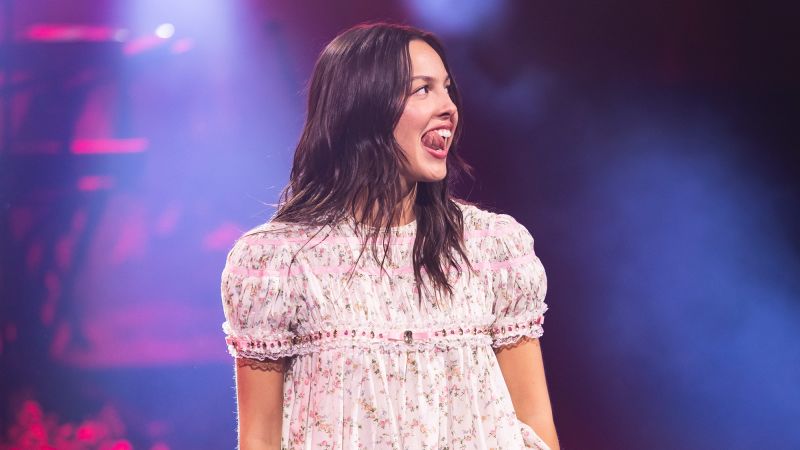
Working alongside her sister stylist duo, Chloe and Chenelle Delgadillo, Rodrigo has reimagined her signature looks. The new era’s wardrobe is a tapestry of references, blending eras and aesthetics in a way that feels both nostalgic and forward-thinking. Shift dresses reminiscent of 1960s mod fashion, ballet flats from the 1970s-founded brand Repetto, and Y2K-style jeans paired with peep-toe heels create a visual narrative that resonates with her evolving sound. Even the music video for “Drop Dead” features deliberate nods to the past, including a crochet dress inspired by Jane Birkin’s iconic role in the 1975 film *Catherine & Co.* and a pink-and-blue nightgown from Chloé’s pre-fall 2026 collection, which could have been straight from Sofia Coppola’s *Marie Antoinette*.
“Olivia knows how to work a reference in a more profound sense than many pop stars,” said Gabriella Karefa-Johnson, a stylist and trends spokesperson at Depop, one of the festival’s official partners. “Her approach isn’t just about aesthetics—it’s about storytelling through visual elements.” This sentiment echoes the broader trend of Rodrigo’s style as a reflection of her artistic vision. The shift from grungy ‘90s influences to a hyper-feminine palette signifies not just a change in fashion but a deeper exploration of identity and emotional expression.
The Art of Intentional Aesthetics
Whereas her earlier work leaned into the spunk and rebellion of the ‘90s, this new phase embraces a more polished, girly aesthetic. The color palette has moved from the assertive purples of her debut to a softer, powdery pink that feels both playful and refined. This transition is part of a larger strategy to expand her artistic boundaries, as her third album represents a step beyond the familiar elements that propelled her initial success. “A third album offers a chance to experiment,” noted music journalist Brittany Spanos. “It’s not just about repeating what worked before—it’s about exploring new sonic and visual territories.”
Rodrigo’s evolution is not accidental. Her previous albums, *Sour* and *Guts*, were not only critical and commercial triumphs but also milestones in her personal growth. The third album, however, marks a deliberate departure from pop punk’s raw energy, instead leaning into the polished textures of ‘80s new wave. This sonic shift is complemented by her wardrobe, which now draws from a broader range of influences, from mod fashion to Y2K trends. The result is a look that feels both timeless and contemporary, capturing the essence of her artistic maturity.
“Her fashion choices during the *You Seem Pretty Sad* rollout aren’t just about appearance—they’re a vehicle for her artistry,” said Spanos. “It’s a way to communicate her emotional journey to fans.” This integration of style and music is a testament to Rodrigo’s growing awareness of how visual elements shape perception. The previous era’s emphasis on rebellion and youth is giving way to a more nuanced expression of femininity, one that is as layered as the album’s lyrics.
Building a Legacy Through Detail
The *You Seem Pretty Sad* era is also notable for its emphasis on meticulous curation. From the music video’s costume design to the festival’s lineup, every detail is purposeful. The pink-and-blue nightgown in the “Drop Dead” video, for instance, symbolizes a bridge between innocence and experience. Similarly, her use of vintage-inspired pieces and modern reinterpretations reflects a balance between homage and innovation.
“Olivia’s ability to blend eras is what makes her style so compelling,” added Karefa-Johnson. “She’s not just following trends—she’s creating them.” This philosophy is evident in her collaboration with the Delgadillo sisters, who have helped her refine her aesthetic to align with her artistic direction. The result is a wardrobe that feels authentic yet sophisticated, mirroring the complexity of her music.
As the third album’s release approaches, Rodrigo’s image is becoming a powerful extension of her artistry. Her previous work was defined by a youthful, rebellious energy, but now she’s embracing a more mature, nuanced approach. This evolution is not just a reflection of her personal growth but also a strategic move to connect with a broader audience. The shift in color, texture, and silhouette signals a new chapter in her career, one where her style and sound are in harmony.
For fans, this transition offers a fresh perspective on Rodrigo’s artistry. While her earlier work was rooted in the angst and drama of teenage heartbreak, *You Seem Pretty Sad for a Girl so in Love* seems to explore deeper emotional landscapes. The wardrobe, too, is evolving to match this introspection, with pieces that feel both elegant and expressive. “Her look isn’t just trendy—it’s a statement,” Spanos remarked. “It’s a way to communicate her artistic maturity to the world.”
Conclusion: A New Direction
Olivia Rodrigo’s third album is more than a musical milestone—it’s a visual and emotional journey that redefines her brand. By moving away from the grungy, punk-inspired aesthetics of her past, she’s embracing a more polished, feminine style that aligns with her evolving sound. This deliberate shift underscores her growth as an artist, one who is no longer content to rely on familiar tropes but is instead crafting a new identity. The *Daisy Chain Fields* festival, with its all-women lineup and feminist ethos, is a fitting companion to this era, reinforcing her role as a trailblazer in both music and style.
As Rodrigo continues to push boundaries, her wardrobe remains a vital part of her narrative. Whether through a shift dress from the ‘60s or a modern take on the twee aesthetic, every piece is a deliberate choice that tells a story. This attention to detail ensures that her visual identity is as meaningful as her music, offering fans a deeper connection to her artistry. In an industry often driven by fleeting trends, Rodrigo’s approach is a refreshing reminder of the power of intentionality.
“Whereas she’s been pulling from grungier ‘90s looks for her last two album cycles, this one she expanded more into the hyper femme versions of it.” — Brittany Spanos, music journalist
“I think Olivia knows how to work a reference in a more profound sense than many pop stars.” — Gabriella Karefa-Johnson, stylist and trends spokesperson at Depop
