
Traveling to a heat wave zone: Here’s what tourists need to know
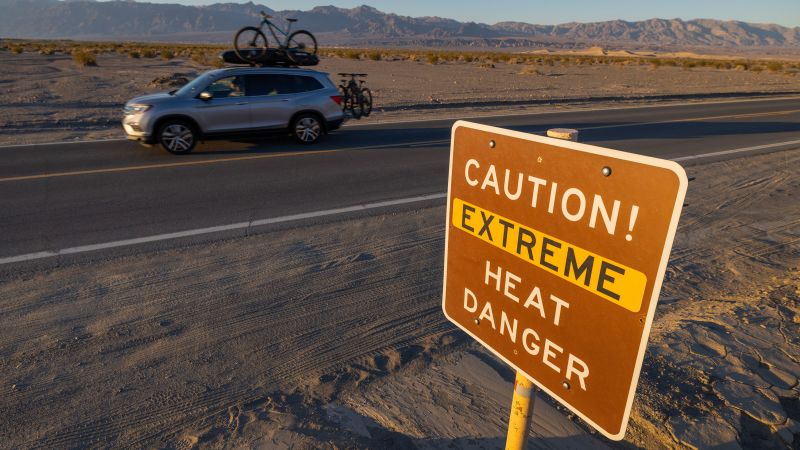
Traveling to a Heatwave Zone: Here’s What Tourists Need to Know
Traveling to a heat wave zone – As record-breaking heatwaves sweep across global destinations, travelers face unprecedented challenges. The extreme temperatures are not only pushing weather limits but also reshaping vacation plans. From blistering trails in the American Southwest to sweltering European cities, the heat has become a critical factor for tourists to consider. Refunds, adjustments, and cancellations may now be necessary, but understanding the risks and adapting strategies can help mitigate the impact.
Hotspots in the United States and Europe
Across the U.S., the Grand Canyon National Park is experiencing temperatures that could surpass 110 degrees Fahrenheit (43 degrees Celsius) at Phantom Ranch, according to the National Weather Service. This has prompted the National Park Service to warn visitors against hiking during peak hours, following a recent surge in heat-related incidents, including two fatalities on the North Kaibab Trail. The situation has escalated to the point where even leisure activities are being reevaluated.
In Europe, the heat crisis is equally severe. France recently recorded its hottest night since 1947, with temperatures hitting 37.8 degrees Celsius (100 degrees Fahrenheit), while several towns faced their highest recorded temperatures on a single day. Spain’s Andújar municipality, located in the southern region, has seen temperatures exceeding 113 degrees Fahrenheit, as noted by the AEMET weather service. Meanwhile, the UK is bracing for record-breaking heat this week, leading to school closures and a rare heat-health alert from the Met Office, which highlighted the potential threat to life.
“Humidity is also a factor, making this heatwave even more impactful with heat stress a danger to all,” the Met Office said in a statement issued on Monday.
The effects of these conditions are far-reaching. In the U.S., the combination of high temperatures and humidity has created dangerous environments, particularly for those engaging in physical activities. In Europe, the relentless heat has forced authorities to issue warnings, urging people to stay indoors during the hottest parts of the day. The closure of public spaces and the risk of evacuations highlight the gravity of the situation.
Global Temperature Trends and Regional Alerts
Heatwaves are no longer isolated events; they are part of a larger pattern of rising global temperatures. As the planet continues to warm, the number of days exceeding historical highs has increased dramatically. This trend is evident in Europe, where 23 countries have activated heat alerts, with Germany, France, Spain, Switzerland, and Luxembourg facing the most intense conditions. The implications for travel are clear: adapting itineraries or canceling trips may be necessary to ensure safety.
Travelers in high-risk areas, such as those with chronic health conditions or elderly individuals, must take extra precautions. The heat’s effect is compounded by humidity, which reduces the body’s ability to cool itself through sweating. This creates a dangerous mix, especially for those who spend extended periods outdoors. In regions where temperatures are forecast to reach critical levels, local governments are emphasizing the importance of heeding safety guidelines to prevent heat-related illnesses and fatalities.
Survival Tips for Heatwave Travelers
Adjusting travel schedules is a crucial first step. In Europe, temperatures begin to climb around 11 a.m., with the most oppressive conditions occurring in the late afternoon. Visitors are advised to plan excursions early in the morning or during cooler hours. For instance, in Italy, officials recommend spending at least three hours daily in air-conditioned spaces, such as museums or galleries, to stay comfortable during prolonged heat.
Staying hydrated is another essential measure. The CDC suggests drinking more water than usual, even before thirst sets in, to prevent dehydration. Cooling down through methods like cool showers and air-drying can also provide relief. In addition, wearing loose, light clothing made from breathable materials helps regulate body temperature. Sunscreen should be reapplied frequently, and fans—whether handheld or ceiling-mounted—can significantly improve comfort levels.
Food choices also play a role in managing heat exposure. Prioritizing water-rich meals, such as raw vegetables, salads, or fruits like watermelon and grapes, can help maintain hydration. These simple adjustments, combined with local advice, can make a substantial difference in how travelers cope with the heat. However, the challenge lies in maintaining these habits in the face of unpredictable weather patterns and limited access to cooling facilities in some areas.
Preparing for the Unforeseen
Despite the best efforts to stay cool, some destinations may become inaccessible. With the risk of wildfires, floods, or typhoons intensifying, tourists should remain vigilant. Local authorities often issue alerts well in advance, so checking updates before departure is vital. For example, in the UK, the Met Office has warned of life-threatening conditions, prompting schools to close and public transportation to adjust its routes.
Travelers should also consider the impact of heat on their mental and physical well-being. Prolonged exposure to extreme temperatures can lead to fatigue, reduced concentration, and even heatstroke. Planning for rest periods, staying in shaded areas, and avoiding overexertion are key strategies. For those visiting high-risk regions, having a backup plan—such as rescheduling trips or choosing alternative destinations—can ensure a more enjoyable experience.
As the heatwave continues to intensify, the importance of preparation cannot be overstated. Whether you’re hiking in the Grand Canyon or exploring the streets of Paris, adapting to the conditions is essential. By following local guidelines, staying hydrated, and prioritizing comfort, travelers can navigate these extreme weather events with greater ease. However, the reality remains that summer vacations may need to be reimagined in light of the escalating heat crisis.
In summary, the heatwave is more than a temporary inconvenience—it is a significant challenge for global tourism. With temperatures breaking records and health warnings becoming more frequent, the need for informed planning and flexible itineraries has never been greater. By staying proactive and listening to local advisories, travelers can make the most of their trips, even in the face of a scorching summer.
