
Trump could sign AI executive order as soon as Thursday
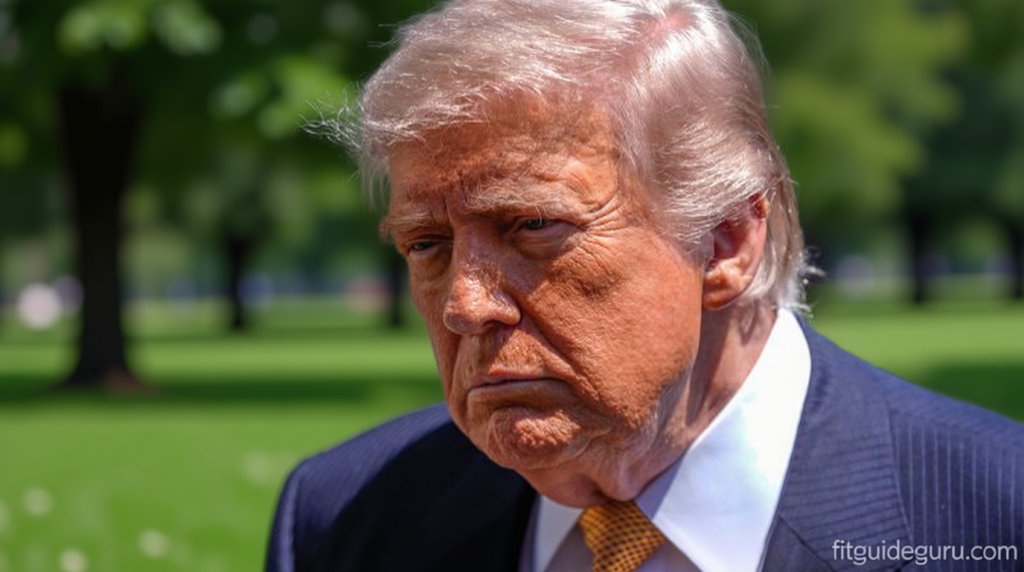
Trump Could Sign AI Executive Order as Soon as Thursday
Trump could sign AI executive order – The White House is poised to unveil an executive order by Thursday, aiming to mandate a voluntary government assessment of new artificial intelligence models prior to their public launch, as revealed by internal sources. This directive will incorporate a framework where AI firms are expected to provide advanced models to federal authorities for a designated review period before official release. The initiative is part of a broader effort to address risks associated with rapidly evolving AI technologies and ensure safeguards are in place before they reach the public sphere.
Voluntary Framework and Timeframe Debates
Negotiations surrounding the review period have sparked debate between the tech sector and federal officials. A proposed version of the order stipulates a 90-day evaluation window, though certain AI entities advocate for a more expedited timeline, favoring a 14-day window instead, according to those close to the discussions. This discrepancy highlights the tension between government agencies seeking comprehensive oversight and companies aiming to expedite innovation without excessive delays.
Analysts have noted that advanced AI models can amplify cyberattack capabilities, emphasizing the need for early scrutiny to identify and neutralize threats before they materialize. An initial assessment could allow the government to fortify defenses against potential vulnerabilities, ensuring public safety and national security interests are prioritized.
Collaboration with Key Industry Players
Leading AI firms, including OpenAI and Anthropic, have been actively participating in consultations with the White House regarding the executive order. These companies, alongside others, are shaping the policy’s contours to balance regulatory oversight with the pace of technological advancement. The collaboration underscores the administration’s growing recognition of the importance of public-private partnerships in addressing AI risks.
Prior to the recent developments, the Trump administration adopted a relatively hands-off approach to AI regulation. However, this shifted following the unveiling of Anthropic’s Mythos model, which the company claims can exploit cybersecurity flaws at an unprecedented rate. Anthropic has opted to maintain exclusive access to a select group of industry partners through its Project Glasswing initiative, rather than publicizing the model immediately. This consortium is working in tandem with federal and local representatives to coordinate responses to emerging threats.
OpenAI, too, has introduced early access programs for businesses and government agencies to bolster their cyber defenses. By offering limited exposure to its latest models, the company aims to preemptively identify weaknesses and equip stakeholders with tools to counteract potential breaches. This proactive strategy aligns with the broader goal of integrating AI advancements into existing security frameworks.
Structure of the Executive Order
The proposed executive order features two distinct components: a cybersecurity section and a section designated as “covered frontier models.” The latter outlines the criteria for AI models to qualify under the voluntary framework, including a potential 90-day window for government access before public release. This structure allows for targeted oversight while accommodating varying levels of risk
