
Why people should be vigilant about food safety this July Fourth
Why People Should Be Vigilant About Food Safety This July Fourth
Why people should be vigilant about – As the summer heat intensifies, record-breaking temperatures have become a common occurrence across the United States and globally, raising concerns about how these extreme conditions affect food safety. The Fourth of July holiday, which brings together families and friends for outdoor gatherings, is an ideal time to reflect on the importance of preventing foodborne illnesses. While enjoying the festivities, it’s easy to overlook the risks posed by leaving food exposed to high heat and humidity. Dr. Leana Wen, a CNN wellness expert and former Baltimore health commissioner, highlights the need for careful preparation and handling of food to ensure a safe and healthy celebration.
Foodborne Illnesses and Their Prevalence
Dr. Wen emphasizes that food safety is crucial, especially during the summer months. The Centers for Disease Control and Prevention (CDC) reports that approximately 9 million cases of foodborne illness occur each year in the U.S. These illnesses typically stem from consuming contaminated food or beverages harboring bacteria, viruses, or parasites. While most cases result in mild symptoms such as nausea, vomiting, stomach cramps, and diarrhea, some can escalate to severe complications requiring hospitalization or even leading to fatalities.
“Most episodes are mild, though even mild illnesses are unpleasant—they are generally characterized by nausea, vomiting, stomach pain and diarrhea. Some people can become very sick and require hospitalization, and unfortunately, some can die.”
Thorough Cooking and Temperature Monitoring
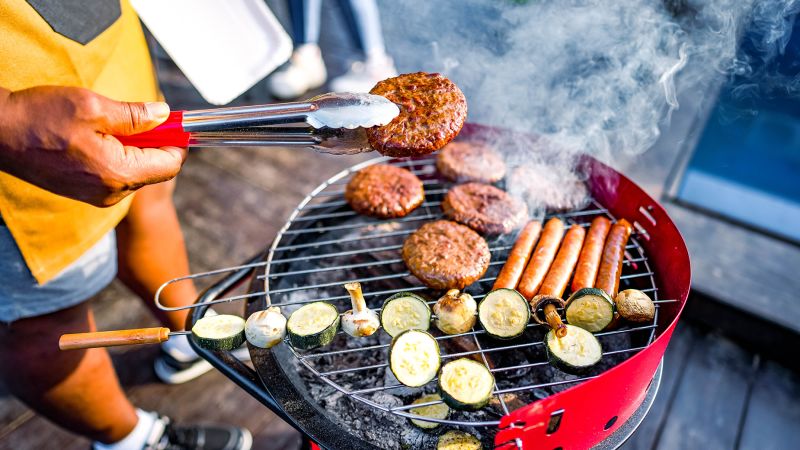
One of the primary steps in preventing foodborne illnesses is ensuring that meat is cooked to the appropriate temperatures. Dr. Wen advises using an internal thermometer to verify that food is fully prepared. For instance, chicken should reach at least 165°F, while ground beef needs to be cooked to 160°F. This method eliminates the risk of harmful pathogens surviving in undercooked food. Once cooked, meat should be kept at 140°F or higher until served to avoid bacterial growth.
“The best way to make sure meat is cooked thoroughly is to use an internal thermometer. I recommend this US government food safety website to check the internal temperature that different types of meat should be cooked to.”
Additionally, raw meat should be refrigerated before cooking, rather than left at room temperature. Removing it from the fridge only when ready to grill minimizes the time it spends in the danger zone, where bacteria can multiply rapidly. For those hosting gatherings without access to refrigeration, Dr. Wen suggests relying on well-insulated coolers packed with ice to maintain safe storage conditions.
Managing Perishables in Hot Weather
With temperatures climbing above 90°F, the window for safely leaving perishable foods outside shrinks. The USDA states that under normal conditions, these items can remain unrefrigerated for up to two hours. However, in extreme heat, this time is reduced to just one hour. This guideline applies to both cooked foods like burgers and raw dishes such as potato salad or coleslaw. Prompt consumption or refrigeration is essential to prevent spoilage and contamination.
“Under normal weather circumstances, the advice from the US Department of Agriculture is that perishable food can be unrefrigerated for up to two hours. However, if the temperature is above 90 degrees Fahrenheit, that’s reduced to one hour.”
Dr. Wen also underscores the importance of separating raw and cooked foods. Using distinct utensils, plates, and containers for raw meat helps avoid cross-contamination. For example, raw chicken should not be placed on the same plate as fresh vegetables or fruit. Labeling these items clearly ensures that no mix-ups occur during preparation.
Hydration and Heat-Related Health Considerations
Food safety isn’t the only concern during the July Fourth weekend. Dr. Wen notes that staying hydrated and managing heat exposure are equally vital. High temperatures can lead to dehydration, fatigue, and heatstroke, especially for vulnerable groups like the elderly, young children, and those with chronic health conditions. She recommends drinking plenty of water and avoiding overexertion during the hottest parts of the day.
“Are there other health factors to consider this holiday, such as keeping cool and well-hydrated? Yes, it’s crucial to prioritize hydration and manage heat exposure, particularly for those at higher risk.”
For pets, the heat poses an additional challenge. Dogs and other animals can overheat quickly, so providing shaded areas, fresh water, and cooling mats is essential. Dr. Wen also reminds pet owners to avoid leaving their animals in parked cars or unventilated spaces during peak temperatures.
Avian Flu and Food Safety Guidelines
Another question raised during the discussion was whether last year’s avian flu outbreak impacted food safety practices. Dr. Wen explains that it remains safe to consume chicken and eggs as long as they are cooked to the recommended temperatures. The same applies to milk, which is still a nutritious and safe beverage option, provided it is handled properly. She stresses that thorough cooking kills any potential viruses or bacteria, making these foods safe for consumption.
“According to federal health officials, it was safe last year to continue eating these products as long as meat and eggs are cooked to the recommended temperatures. It’s also safe to keep drinking milk, though it’s crucial to emphasize that the milk needs to be stored at proper temperatures to maintain safety.”
In summary, the July Fourth holiday offers a perfect opportunity to practice food safety and health-conscious habits. From monitoring temperatures to separating raw and cooked foods, and staying hydrated in the heat, small adjustments can make a significant difference in preventing illness. As Dr. Wen concludes, “Being mindful of these steps ensures that everyone can enjoy the festivities without compromising their health.”
