
Social media use at a young age is linked to earlier experimentation with drugs and alcohol
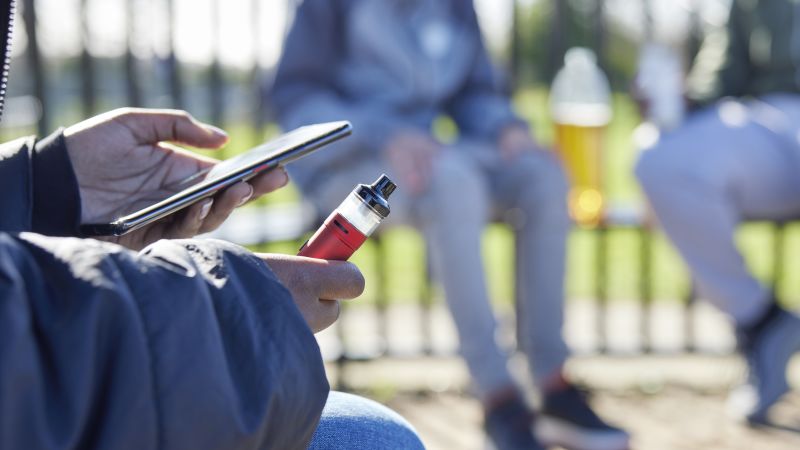
Social Media Use at a Young Age Linked to Early Substance Experimentation
Social media use at a young – Research indicates that social media engagement during childhood is associated with an increased risk of experimenting with drugs and alcohol. While most platforms require users to be at least 13 years old, a substantial number of younger adolescents—around 40% of those aged 8 to 12—are already active online. This early access to digital environments may influence their likelihood of substance use, as evidenced by a study published in *The American Journal of Psychiatry*. The findings suggest that the timing and intensity of social media adoption correlate with earlier exposure to substance-related behaviors, highlighting a potential link between digital activity and adolescent wellness.
Patterns of Usage and Risk Correlation
The study categorized four groups based on social media usage trajectories among children aged 9 to 16. These included: minimal use; gradual increases; rapid onset with mid-level engagement; and early-onset, high-intensity use. Adolescents in the latter two groups showed significantly higher rates of substance experimentation. For instance, those who began using social media before age 10 and engaged frequently faced a 17-fold greater chance of cannabis use and a 14-fold higher likelihood of tobacco experimentation compared to peers with less exposure. This suggests that early and frequent social media activity may amplify risk factors for substance use behaviors.
Experts attribute this trend to the pervasive nature of substance-related content. Over 50% of young users encounter alcohol marketing, while nearly 61% witness peers sharing alcohol-centric posts. These portrayals often depict substance use as enjoyable or socially rewarding, creating a skewed perception. Dr. Jason M. Nagata, the study’s lead author, noted that the absence of negative outcomes in such content may encourage adolescents to view substances as desirable, thereby lowering their hesitation to try them.
Longitudinal Insights and Behavioral Dynamics
Dr. Courtney Blackwell, a Northwestern University professor, praised the study’s longitudinal approach for capturing evolving habits. Unlike cross-sectional studies, this research tracked changes in social media use over four years, allowing for a deeper analysis of how usage patterns shift. Blackwell highlighted that such methods reveal nuanced interactions between digital engagement and other factors, like family influence or peer pressure, which collectively shape substance experimentation.
The data also showed that 77% of substance-related content online is framed positively, emphasizing fun and social acceptance rather than risks. This content overload may normalize substance use among adolescents, making it a common part of their social experiences. Nagata emphasized that repeated exposure to these messages can lead to internalized beliefs that favor substance experimentation, underscoring the need for targeted interventions in digital spaces.
Implications for Youth Wellness and Intervention Strategies
These findings call for a reevaluation of how social media platforms influence adolescent decisions. Early access to digital content can create a cycle where frequent exposure to substance-related messages reinforces their appeal. For example, teens who see multiple posts about alcohol or cannabis may perceive these substances as more accessible or enjoyable, increasing their curiosity and likelihood to experiment. The study’s results suggest that monitoring and guiding social media use during early childhood could be key to mitigating these risks.
“The content adolescents see on social media shapes their understanding of substances,” Nagata said. “When they repeatedly encounter positive portrayals, it’s hard not to associate them with social rewards.”
This insight highlights the importance of content moderation and educational efforts to counteract misleading narratives. By addressing the psychological impact of social media exposure, policymakers and parents can better support young users in developing healthy habits.
