
Jet fuel prices are falling fast. Air fares? Not so much
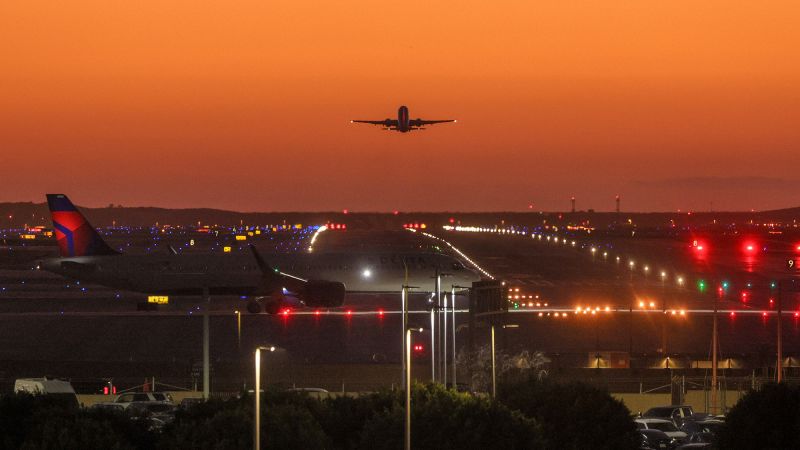
Jet Fuel Prices Are Falling Fast. Air Fares? Not So Much
Jet fuel prices are falling fast – As the summer travel season heats up, the cost of jet fuel has been on a steady decline, but airfares remain stubbornly high. This trend has raised questions among travelers and industry analysts about whether airlines will finally ease the financial pressure on passengers. Despite the drop in fuel expenses, companies like Delta, American, and United continue to maintain elevated ticket prices, with some experts suggesting that the increased costs may persist for months to come.
The Fuel Price Surge and Its Immediate Impact
Early in the Iran war, the price of jet fuel skyrocketed, pushing airlines to adjust their pricing strategies. At that time, carriers faced a significant challenge: how to offset the nearly $2 billion in additional fuel costs without straining their operational budgets. Delta Airlines CEO Ed Bastian described the situation as “a difficult choice,” emphasizing that the industry had to absorb the hikes through higher fares, reduced flight schedules, and increased baggage charges. These measures were necessary to sustain profitability amid the fuel price spike.
“We had no choice,” Bastian said last week, citing the nearly $2 billion that major carriers like Delta had to pay for price hikes in fuel this quarter.
However, the situation has since shifted. Over the past two months, spot jet fuel prices have dropped by 40% from their peak in April, according to data from Airlines for America. This decline has not translated into lower airfares, though. Instead, airlines have signaled that they are content with the current pricing structure. Bastian argued that fares are at the “right level” even as fuel costs have fallen, pointing to strong summer travel demand as the primary driver of this stability.
Supply-and-Demand Dynamics in the Airline Industry
The current fare levels are a product of the same economic forces that drove fuel prices down. While demand for jet fuel has waned due to fewer flights, U.S. refineries have ramped up production to capitalize on the higher prices, creating a surplus that has pushed costs lower. Meanwhile, the demand for air travel has remained robust, with consumers opting for flights despite the price hikes. This balance between reduced fuel supply and increased passenger demand has kept fares elevated.
Mike Linenberg, an airline analyst at Deutsche Bank Securities, noted that the scarcity of seats—due to airlines eliminating less popular routes—has been a critical factor in maintaining higher prices. This practice has led to a situation where the supply of seats is limited, forcing passengers to pay more for the same service. The shuttering of Spirit Airlines in May further exacerbated the issue, as it removed a significant number of low-cost options from the market, contributing to the overall tightness in seat availability.
“Virtually all fares are up 15% to 20% from one year ago,” Linenberg said, adding that airlines have raised prices eight times since the spring.
Even as fuel costs have fallen, the industry has not reversed its fare increases. Linenberg highlighted that the primary reason for this is the ongoing demand for travel, which has not slowed despite the war’s initial impact. He also pointed out that airlines are leveraging their reduced seat supply to maintain revenue, a strategy that has proven effective in the current market.
Why Fuel Prices Aren’t Driving the Fare Increases
Airline executives have made it clear that fuel costs are not the main factor influencing fare decisions. Southwest Airlines CEO Bob Jordan stated during an April earnings call that ticket prices are determined by market conditions, not by a strict formula to recover fuel expenses. “(Ticket prices are) going to be dictated by market conditions, not by some academic formula, or target of calculated recovery (of increased fuel costs),” Jordan explained.
This sentiment is echoed by other industry leaders. United Airlines’ chief commercial officer, Andrew Nocella, noted that the industry is in no rush to lower prices because consumers are gradually adapting to the new revenue model. “The longer consumers pay these prices and airlines get used to this revenue stream, the more likely it is to stick,” Nocella said. He also mentioned that the financial strain of the fuel spike is being offset by other factors, such as increased ticket sales and ancillary revenue from baggage fees.
The Financial Toll of the Fuel Spike
The impact of the fuel price surge has been felt across the entire airline industry. Jet fuel accounts for nearly half of an airline’s operating costs, and the three largest carriers—Delta, American, and United—reported spending $1 billion more on fuel alone during the second quarter of this year. While this increase is significant, analysts suggest that the industry will eventually recover the costs through higher fares and other pricing strategies.
Linenberg emphasized that the smaller discount carriers are particularly reliant on these strategies to maintain liquidity. Many of these airlines have struggled to return to profitability since the pandemic, and the additional revenue from fare hikes and baggage fees is crucial for their survival. “Think about the number of carriers that have yet to return to sustainable profitability since Covid—year after year, they can’t afford to lose money without a plan,” he said.
Consumer Acceptance and the Road Ahead
Despite the rising costs, travelers are showing a degree of acceptance. At Newark Liberty International Airport, United passengers expressed frustration over the price hikes but acknowledged that the trend was expected. “Everything always goes up in price, but it never seems to come back down,” said Ban Morel, a traveler waiting for his luggage after a trip to Puerto Rico. He paid $100 in baggage fees on top of a $400 round-trip ticket, a combination he described as “the cost of doing business.”
Michael Boenisch, 67, and his wife shared a similar sentiment. After returning from a European vacation, they noted that the pricing structure has become a normal part of travel. “Prices go up,” Boenisch said, implying that the industry has already adjusted to the new reality. While some cheaper tickets may emerge this fall, as the summer season winds down, experts predict that fare increases will remain consistent with 2025 levels. Zach Griff, author of the airline newsletter *From the Tray Table*, warned that the current pricing environment is unlikely to reverse anytime soon.
As the industry continues to navigate this complex landscape, the question remains: will the cost of air travel stabilize, or will it remain elevated for the foreseeable future? With fuel prices on a downward trend and demand for flights still strong, the answer may depend on how long the current supply-and-demand balance persists—and whether airlines are willing to let passengers breathe a little easier.
