
Can the World Cup transform this midwestern city into a global tourist hub?
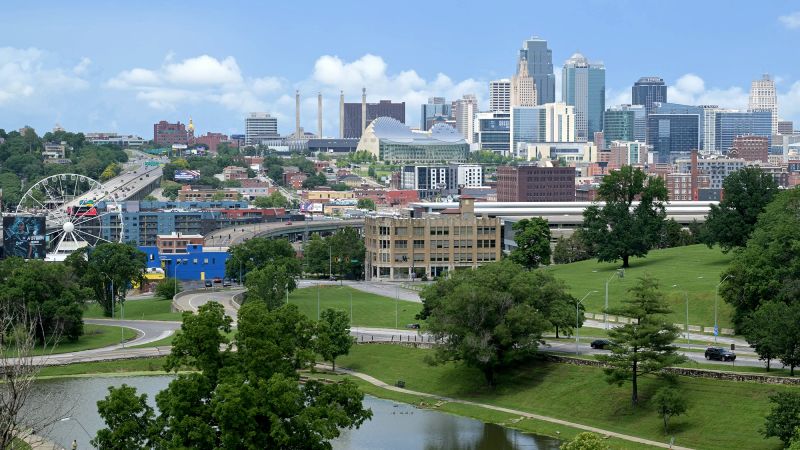
Can the World Cup transform this midwestern city into a global tourist hub?
Can the World Cup transform this – Kansas City is making a bold financial bet, investing nearly $200 million in hopes that hosting the World Cup will elevate its status as a major international tourist destination. The city’s plan hinges on the belief that the tournament can shift its image from a regional hub to a globally recognized hotspot. Yet, this strategy faces scrutiny as the event has already earned the nickname “World Cup of Chaos” due to logistical hurdles and rising ticket costs.
Economic Ambitions
The event is expected to generate over $653 million in direct economic activity, spanning retail, dining, hospitality, and other sectors, according to Jenny Wilson, vice president of tourism development at Visit KC. With projections of more than 650,000 visitors, the city anticipates a significant influx that could rival its own population of about 520,000. “This is a once-in-a-lifetime opportunity to showcase the city’s potential,” Wilson said, emphasizing the tournament’s role in attracting both leisure and business travelers.
Infrastructure Investments
To prepare for the influx, Kansas City has expanded public transportation networks, ensuring seamless access to key locations such as the airport, stadium venues, and the downtown fan festival. Local homeowners have also embraced the opportunity, converting their properties into short-term rentals. Uber, a major player in the city’s mobility sector, has announced plans to increase driver availability as part of the logistics effort. These measures aim to address potential gaps in accommodation and transit, though they come with their own set of challenges.
Competing on the Global Stage
Kansas City’s position as a host city is precarious. While the tournament features six matches, it lacks the immediate appeal of larger metropolitan centers like Mexico City, Los Angeles, and Miami, which can sustain tourism year-round through diverse events and entertainment options. “How do we convince international visitors to choose Kansas City over these established destinations?” asked Victor Matheson, a sports economics expert from The College of the Holy Cross. “It’s not just about the games—it’s about creating a compelling reason for people to travel thousands of miles.”
Mayor Quinton Lucas acknowledged the city’s underdog status but framed it as an advantage. “This is our chance to test the waters and see if we can build something sustainable,” he said. “If we succeed, it could set a new standard for midsize cities hosting global events.” The city’s unique blend of affordability, cultural assets, and strategic investments in infrastructure offers a distinct proposition, though the outcome remains uncertain.
Funding the Vision
The World Cup’s financial model relies heavily on host cities to cover costs related to infrastructure, transportation, staffing, and security. Kansas City has leveraged city, state, and federal funding to support these efforts, while FIFA retains a substantial portion of revenue through ticket sales, television rights, and sponsorships. This arrangement has led to both opportunities and controversies, as local officials grapple with the financial risks and rewards.
For instance, the city’s decision to avoid building new stadiums has saved millions in construction costs. Instead, it has utilized existing venues, which may help offset expenses but also limit the scale of the event’s impact. “It’s a clever move,” said Jamie Lane, chief economist at AirDNA, which tracks short-term rental data. “But we’ll have to see if it’s enough to meet demand.”
The 1996 Legacy
Historical precedents offer both hope and caution. The 1996 Summer Olympics in Atlanta revitalized the city’s economy and global reputation, according to Pam Kramer, CEO of KC2026, the organization leading Kansas City’s World Cup preparations. Kramer highlighted how the event spurred infrastructure development and brought international attention to the region. “If we can replicate that momentum, it could be transformative,” she said.
However, the World Cup’s success may depend on more than just economic numbers. The tournament’s ability to foster a sense of community and global connection is equally important. For example, Kansas City is hosting agricultural expos and trade conferences to engage business leaders and executives, potentially creating a ripple effect beyond the sporting events.
Challenges Ahead
Despite the optimism, several obstacles loom. Visa restrictions and the lingering effects of Trump-era immigration policies have limited the number of international visitors, forcing organizers to focus more on domestic tourism. FIFA’s high ticket prices have also sparked legal scrutiny, with New York and New Jersey attorneys general launching investigations into pricing practices. Meanwhile, the spread of matches across the city’s geography has created logistical challenges, with some games hundreds of miles apart.
A May report from the American Hotel and Lodging Association revealed that hotel bookings nationwide have fallen short of expectations. One reason cited was FIFA’s decision to cancel large room blocks, leaving host cities to scramble for last-minute reservations. This has shifted the focus toward short-term stays, with Kansas City’s hotels now preparing for a different kind of demand. “We’re rethinking everything from parking to meal plans,” Lucas said. “It’s like trying to fit a puzzle together as the pieces come in.”
The Human Impact
For residents like Katherine Riedel, the World Cup has become a new chapter in their lives. The Kansas City homeowner recently listed her three-bedroom house on Airbnb for the first time, charging $1,000 per night with discounts for extended stays. While she initially struggled to attract bookings, the event has brought unexpected interest. “A few people asked for single rooms during the tournament,” Riedel said. “But the rest were just passing through.”
Riedel’s experience reflects a broader trend: the tournament is reshaping the local rental market. By the end of May, short-term rental listings in Kansas City had surged by 56 percent, far outpacing other host cities. This growth underscores the city’s adaptability but also raises questions about the long-term viability of such arrangements. “It’s a mix of luck and planning,” Lane noted. “We’re watching how the demand evolves as the event approaches.”
As the World Cup draws closer, Kansas City’s leaders remain cautiously optimistic. While the economic benefits are projected, the city must navigate the complexities of hosting a global event in a midwestern setting. The outcome could determine whether Kansas City becomes a new tourist destination or serves as a test case for the challenges of international sports hosting. For now, the city is counting on its unique combination of ambition, strategy, and community effort to make it work.
