
Average US gas price drops below $4 – barely
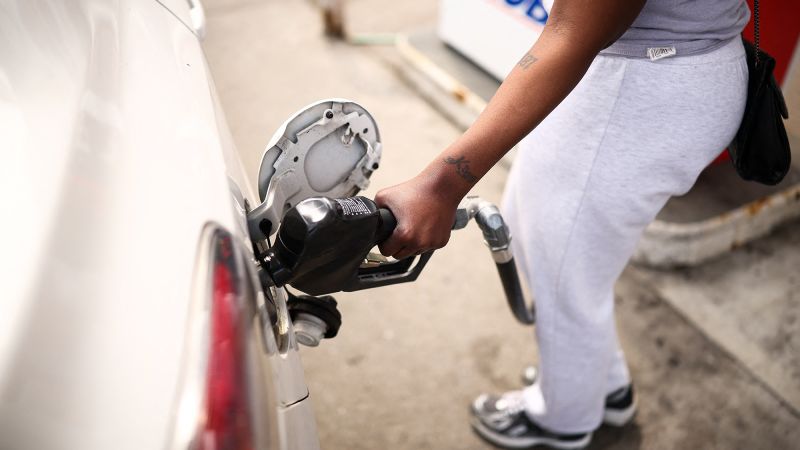
US Gas Prices Edge Below $4 Threshold After Months of Hikes
Average US gas price drops below 4 – For the first time in months, the average price of a gallon of regular gasoline in the United States has dipped below $4, according to the American Automobile Association (AAA). As of Thursday, the national average stood at $3.999 per gallon, a modest decline of nearly 3 cents from the previous day. This slight movement marks a rare moment of respite for consumers who have endured persistent price increases throughout the spring. Indiana, with its price of $3.40, remains one of 28 states where the average has fallen under the $4 mark. Another tracking service, GasBuddy, reported prices hovering around $3.98 on Thursday, having crossed below $4 earlier in the week on Sunday.
Strait of Hormuz Closure and Its Aftermath
The recent dip in gas prices coincides with the impending reopening of the Strait of Hormuz, a vital chokepoint for global oil shipments. The closure of this strategic waterway in late February had disrupted approximately 20% of the world’s oil supply, sending prices soaring as uncertainty gripped the market. The strait’s reopening, part of a formal agreement between Iran and the United States to end the war, has provided a glimmer of hope for stabilization. However, the impact of the conflict lingers, with oil production and refining operations in the region still recovering from wartime disruptions.
Recovery Timeline and Regional Impact
Experts suggest that the gradual return to normal oil flows through the Strait of Hormuz will take several months. Matt Smith, a lead oil analyst at Kpler, told CNN that it will likely require three to four months before tanker traffic fully resumes. This delay is compounded by the damage inflicted on oil infrastructure during the conflict, which has forced facilities to halt operations or reduce output. While the closure of the strait has eased, the broader effects on regional supply chains and refining capacities remain significant.
Meanwhile, the global oil market continues to grapple with the fallout from the war. Even though the United States is the world’s largest oil consumer, the movement of crude from the Middle East plays a critical role in determining prices at the pump. The closure of the strait disrupted supply routes, creating a ripple effect that elevated costs worldwide. As the region works to restore its production levels, the interplay between global supply and demand will shape the trajectory of US gas prices for the foreseeable future.
Market Dynamics and Long-Term Trends
The recent price drop is a testament to the resilience of the oil market, but it does not signal a dramatic reversal of long-term trends. Matt Smith noted that while the immediate crisis has eased, the full recovery of oil supply is a slow process. In addition to the logistical challenges of restarting tanker operations, the damage to oil facilities necessitates time for repairs and recalibration. This dual factor—recovery of supply and repair of infrastructure—means that the market’s normalization will take longer than expected.
Crude oil, as a global commodity, is influenced by factors beyond the Strait of Hormuz. For instance, even if a small fraction of Middle Eastern oil reaches US shores, its flow still dictates pricing dynamics. The long-term outlook for oil prices remains uncertain, with analysts predicting that they will not fall below the pre-war $70-a-barrel level before the next decade. This projection underscores the deep-rooted structural shifts in the market, driven by geopolitical tensions and the evolving energy landscape.
Retailer Adjustments and Consumer Impact
Gas station owners have been cautious in adjusting prices, reflecting a slower pace of price reductions compared to the rapid hikes that occurred earlier in the year. Many retailers initially absorbed cost increases to maintain competitive pricing, but as wholesale costs stabilize, they are now beginning to pass savings to consumers. This gradual approach is partly due to the time required to replenish inventory levels and recoup lost profits. However, Tom Kloza, an independent oil analyst and advisor to Gulf Oil, highlighted a common pattern: “Gas prices go up like a rocket and come down like a feather.” His observation aligns with the recent trend of a 2-cent-per-day decline in the national average since its peak on May 21.
Comparing the current rate of decrease to the dramatic $1 price surge in the first month of the war, the recent adjustments seem modest. The closure of the strait initially triggered a sharp spike, the largest one-month increase in the 21st century. However, the release of emergency oil reserves and the management of excess inventories have helped temper the rise. Despite these efforts, the market is now at a critical juncture, with inventories reaching their lowest levels in decades.
Future Outlook and Industry Perspectives
With inventories at historic lows, some experts anticipate a potential rebound in gas prices later this summer as demand surges during the driving season. The combination of seasonal usage and limited supply could push pump prices back above $4, creating a new phase of volatility. Dan Pickering, founder and chief investment officer at Pickering Energy Partners, emphasized that this shift might redefine the energy market’s baseline. “We’ll figure out what the new normal is,” he said, “but it isn’t going to be $2.85 gasoline.”
While the immediate crisis appears to be easing, the long-term implications of the war are evident. The interplay between geopolitical events, supply chain disruptions, and market dynamics will continue to influence gas prices. As the United States and other nations adapt to these changes, consumers may need to prepare for a new pricing reality—one that balances short-term relief with ongoing challenges. The path to a pre-war average of $3 per gallon, though possible, will require sustained efforts to stabilize production and refine oil, a process that experts predict will take years rather than months.
CNN’s David Goldman contributed to this report, providing insight into the evolving situation. As the market navigates this transition, the role of OPEC and global oil producers will remain central. The reopening of the Strait of Hormuz has eased some pressure, but the road to recovery is complex, involving not only the restoration of supply but also the rebuilding of confidence in the global energy market.
