
American pilot killed by rebels in Papua, says Indonesian military
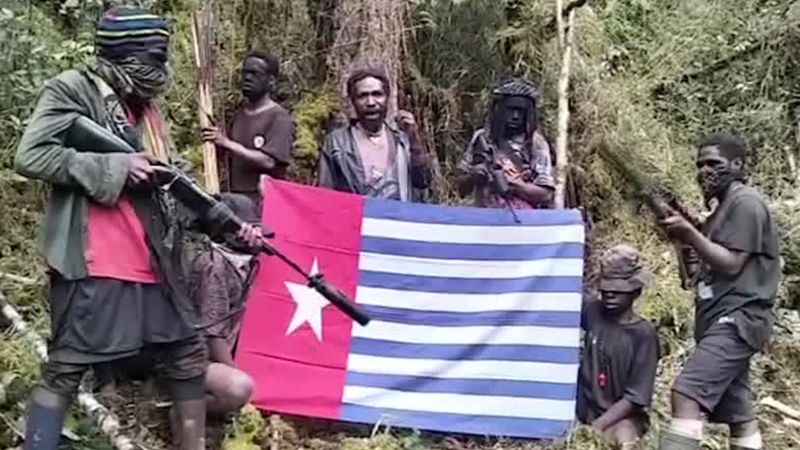
American Pilot Killed by Papua Rebels, Indonesian Military Confirms
American pilot killed by rebels in Papua – On Friday, Indonesia’s military announced the recovery of the body of an American pilot who was fatally shot by separatist rebels in the volatile eastern region of Papua. The attack, attributed to the West Papua National Liberation Army (TPNPB), was described as a symbolic act aimed at sending a message to both the U.S. and Indonesian governments, according to the military’s statement. The incident occurred in the Yahukimo region of Highland Papua province, where the rebels claimed they executed the pilot, Nicholas F. Gosselin, and set his plane ablaze after it landed.
Rebel Group Claims Attack Was a Message to Governments
In a statement released on Thursday, Sebby Sambom, a TPNPB spokesperson, asserted that the group’s forces had targeted Gosselin after he allegedly continued dropping Indonesian military personnel into rebel-held areas. “The aircraft was violating our ultimatum,” Sambom said, adding that the attack would escalate if the Indonesian authorities persisted in allowing civilian planes to operate in rebel-controlled zones. The TPNPB, an armed separatist group, has long sought independence for Papua, a region rich in natural resources and historically divided over its status as part of Indonesia.
“The aircraft was frequently dropping Indonesian military personnel and violating the TPNPB’s ultimatum,” Sebby said. “There will be more attacks if Indonesia continues allowing civilian aircraft to enter our red zones.”
Conflict in Papua Intensifies with Rebel Escalation
The conflict in Papua has raged for decades, with the TPNPB and other separatist factions waging a low-level but persistent struggle for independence. The eastern half of the region, including the Yahukimo district, has seen increasing violence as rebels have acquired better weapons, enabling more deadly strikes. The military’s presence in the area has drawn criticism from locals and activists, who argue that the conflict is fueled by systemic grievances over governance and resource distribution.
According to the TPNPB, the attack on Gosselin was a calculated response to what they perceive as the governments’ failure to resolve the underlying tensions. “This act was a message to the Indonesian and U.S. governments for failing to address the root causes of the conflict in Papua between the military and the TPNPB,” Sambom emphasized. The group has previously targeted both Indonesian and foreign nationals, using such incidents to highlight their demands.
Military Confirms Recovery and Safety of Passengers
Wirya Artadiguna, a military spokesperson in Papua, confirmed on Friday that the TPNPB carried out the attack and that Gosselin’s body had been retrieved and evacuated. He also stated that all passengers on the flight remained safe and had returned home. Officials initially reported that the aircraft carried seven passengers, all of whom were Papuans. The military is now investigating the perpetrators of the attack, though no arrests have been made yet.
The incident underscores the growing risk for foreign personnel operating in Papua. While the military has maintained control over much of the region, rebel activity in remote areas has surged, often catching international operators off guard. The TPNPB’s ability to strike at such a high-profile target suggests a shift in their tactics and a willingness to escalate pressure on both governments.
Video Footage Shows Rebels in Action
A video released by the TPNPB provided visual evidence of the attack, capturing rebels armed with firearms and axes raising the “Morning Star” flag—a symbol of the independence movement—as they announced the incident. The footage, shared with international media, depicted the rebels’ swift response to the plane’s arrival, with one figure seen firing at the aircraft before it was set ablaze. The group has used such videos in the past to rally support and signal their capability to strike at key symbols of Indonesian authority.
PT AMA Aircraft Involved in Controversial Operations
The plane used in the attack belongs to PT AMA, a regional airline that transports food, fuel, and mail to isolated Papuan villages. According to the company’s website, its operations are vital for connecting remote communities with essential supplies. However, the TPNPB has criticized these flights as encroaching on their territory, viewing them as part of the Indonesian government’s broader efforts to consolidate control over the region.
Despite the attack, PT AMA has not yet issued a public statement. The company’s role in the conflict highlights the complex dynamics between civilian infrastructure and rebel activities. While PT AMA’s flights support the local economy, they also become targets for separatists seeking to disrupt government operations.
Previous Kidnapping of New Zealand Pilot Adds Context
This incident follows a similar high-profile case in 2023 when Papuan rebels kidnapped New Zealand pilot Phillip Mehrtens after he landed a small commercial plane in the remote Nduga region of Highland Papua. Mehrtens was held captive for over 18 months before being released in September 2024, an event that drew global attention to the group’s tactics. His ordeal demonstrated the rebels’ capacity to detain foreign nationals and leverage their situation for political leverage.
Mehrtens’ case, along with the recent killing of Gosselin, illustrates the TPNPB’s strategy of using high-profile attacks to pressure the Indonesian government and international partners. The group has claimed these acts are necessary to draw attention to their cause and challenge the military’s dominance in the region.
International Response and Ongoing Tensions
The U.S. embassy in Jakarta has not yet commented on the incident, though it has previously expressed concern over the safety of American citizens in Papua. The attack has reignited discussions about the security risks faced by foreign nationals and the effectiveness of diplomatic efforts to mediate the conflict. Meanwhile, the Indonesian military continues to assert its control, vowing to root out rebel influence and protect its interests in the region.
Analysts suggest that the TPNPB’s actions are part of a broader pattern of escalating violence, driven by frustration over the lack of progress toward independence. The group has accused the Indonesian government of marginalizing Papuan culture and exploiting the region’s resources, with the recent attacks serving as a stark reminder of the unresolved tensions. As the conflict persists, the safety of civilians and foreign workers remains a critical issue for both sides.
Legacy of the Conflict in Papua
Papua’s struggle for independence has deep historical roots, with the region’s inhabitants demanding greater autonomy since the 1960s. The TPNPB, one of the most active separatist groups, has long viewed the Indonesian military as an occupying force, and their attacks have often targeted infrastructure and personnel as a means of resistance. The killing of an American pilot adds a new dimension to the conflict, drawing international scrutiny and highlighting the global stakes of the local struggle.
While the military has condemned the attack, it has also acknowledged the rebels’ growing influence and the need for improved security measures. The incident has sparked debates about the balance between military operations and civilian safety, as well as the effectiveness of diplomatic solutions. For now, the TPNPB continues to assert its presence, using each act of violence to reinforce its message and demand recognition for its cause.
