
What experts say about the effectiveness of electric muscle stimulation workouts
Electric Muscle Stimulation Workouts: Expert Insights on Their Impact
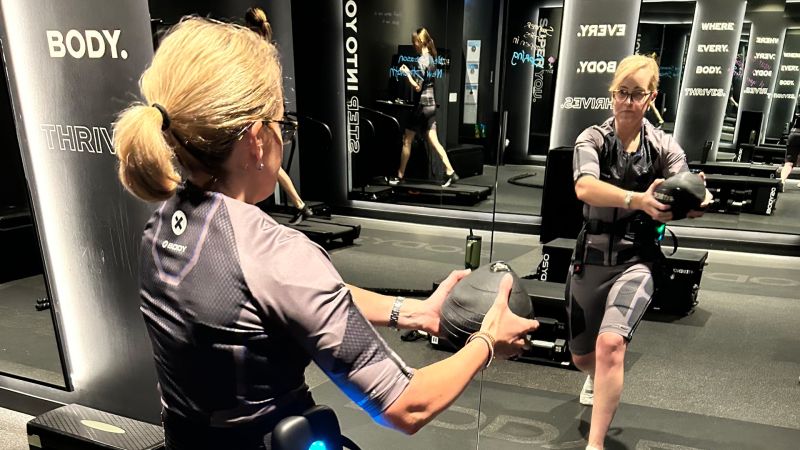
What experts say about the effectiveness – For Emily Ferrara, a 43-year-old fitness enthusiast, the search for effective workouts led her to a novel approach: electric muscle stimulation (EMS). After feeling unfulfilled with traditional barre classes, she turned to a method described online as combining science with simplicity. “I found it on Google, read about the science, and shared it with my old trainer. She said, ‘This sounds legit,’” Ferrara recalled. Her decision was driven by a desire for a quicker, more efficient routine, even though she had concerns about her thyroid condition and PMOS (postmenopausal osteoporosis). After consulting a doctor, she gave EMS a try, eventually committing to three weekly sessions at an Atlanta-based studio. Over two years, she noticed a shift in her body composition, with reduced fat and increased muscle mass, though she also maintains a separate cardio regimen.
The Rise of EMS in Fitness Culture
EMS has gained traction in recent years, with its popularity surging both online and in physical therapy settings. According to Playlist, the parent company of the ClassPass app, the number of fitness venues offering EMS sessions grew by more than 16% between 2023 and 2025. This growth reflects a broader interest in technologies that promise accelerated results with minimal time investment. The method involves wearing a suit embedded with electrodes and performing exercises that stimulate muscle contractions through electrical impulses. Unlike conventional workouts, which rely on voluntary movement, EMS encourages involuntary contractions, a concept that has intrigued athletes and fitness enthusiasts alike.
Proponents of EMS argue that its targeted approach can be beneficial for specific muscle groups. For instance, soccer legend Cristiano Ronaldo uses the technique as a supplement to his training, focusing on his core. Similarly, actor Tom Holland incorporated EMS into his regimen to prepare for a role in the “Spider-Man” series. These high-profile endorsements have fueled public curiosity about the method’s potential. However, experts remain divided on its overall effectiveness.
How EMS Works: Science and Application
At the core of EMS is the use of electrical impulses to activate muscles. During a session, the participant wears a suit with electrodes that deliver controlled currents to the body. This process triggers involuntary contractions, which proponents claim can enhance muscle engagement and accelerate strength gains. The technique has roots in physical therapy, where it was employed to aid recovery for patients with weakened muscles. Its use in Soviet sports during the 1970s further cemented its reputation as a tool for optimizing athletic performance.
Despite its historical applications, the modern fitness context has introduced new questions. Dr. Greg Holtzman, a clinical practice leader at Washington University PT, highlighted that EMS is most effective for individuals with specific needs. “It’s ideal for post-operative patients or those targeting isolated muscle groups,” he explained. For example, someone aiming to strengthen their abdominal muscles might find EMS helpful. However, he questioned its efficiency as a general fitness tool. “If you’re looking for broad muscle development, varied exercises like functional strength training or weightlifting might offer more benefits,” he noted.
Limitations and Risks of EMS
While EMS can be a useful supplement, Holtzman emphasized its limitations. He pointed out that the technique primarily engages larger muscle fibers, which are recruited simultaneously, unlike the body’s natural muscle activation pattern. In typical exercise, smaller fibers are engaged first, conserving energy before larger ones are used. This difference, he said, could affect the long-term efficacy of EMS compared to traditional methods.
Additionally, Holtzman warned of potential risks, including skin irritation and discomfort. While these side effects are generally mild, they can be more pronounced in individuals with certain conditions. “People with active infections, malignant cancers, or pacemakers should consult a medical professional before starting,” he advised. He also noted that while EMS itself is unlikely to cause injury, the fatigue it induces requires careful attention. “Even with the stimulation, maintaining proper form is critical to prevent strain from movement alone,” he said.
Ferrara’s experience illustrates both the appeal and the nuances of EMS. Her routine combines the technique with cardio, suggesting that a balanced approach may yield better results. “I track my body composition regularly, and the changes I’ve seen are significant,” she said. She noted a reduction in body fat and an increase in muscle mass, though she acknowledged that the method is not a standalone solution. “It’s not just about the number on the scale. It’s about how the body is changing,” she added.
Expert Opinions on EMS Effectiveness
The debate over EMS’s effectiveness extends beyond individual experiences. A 2022 meta-analysis comparing EMS with conventional workouts found mixed results. While the technique showed promise in targeting specific muscles, it lagged behind traditional methods in overall muscle development. Holtzman supported these findings, stating that the literature “generally does support the potential use of e-stim for the very weak and the very strong.” He described the method as a “tool for precision,” but cautioned that it may not be as comprehensive as other forms of exercise.
One of the key advantages of EMS is its time efficiency. A single 20-minute session can mimic the effects of a longer workout, making it appealing to busy individuals. However, this convenience comes with trade-offs. Holtzman argued that the lack of varied movement might limit its ability to improve cardiovascular health or flexibility. “It’s great for strength, but not as effective for endurance or muscle coordination,” he said. This perspective aligns with critics who believe EMS should be viewed as a complementary rather than a primary form of exercise.
Is EMS Right for Everyone?
The suitability of EMS depends on individual goals and circumstances. For those recovering from surgery or aiming to isolate specific muscle groups, it can be a valuable addition. However, for general fitness, Holtzman suggested a combination of EMS and other techniques might be ideal. “If you’re looking for a holistic approach, you should pair it with activities that challenge the body in different ways,” he advised.
Ferrara’s journey underscores the personal aspect of EMS adoption. While she found it beneficial, she also stressed the importance of consistency and proper technique. “It’s not magic. You still have to put in the work,” she said. This sentiment echoes the broader consensus that EMS is a tool to be used strategically rather than a replacement for traditional exercise. As its popularity continues to grow, more research may clarify its role in a well-rounded fitness regimen.
Ultimately, the effectiveness of EMS depends on how it is integrated into an individual’s overall health strategy. For Ferrara, it has been a part of her routine that has delivered tangible results. For others, the method may serve as a supplement or a stepping stone to more comprehensive training. As technology advances and fitness trends evolve, EMS remains a topic of both excitement and scrutiny among health professionals and enthusiasts alike.
