
What we know about Trump’s Great American State Fair
Trump’s Great American State Fair Kicks Off in Washington, D.C.
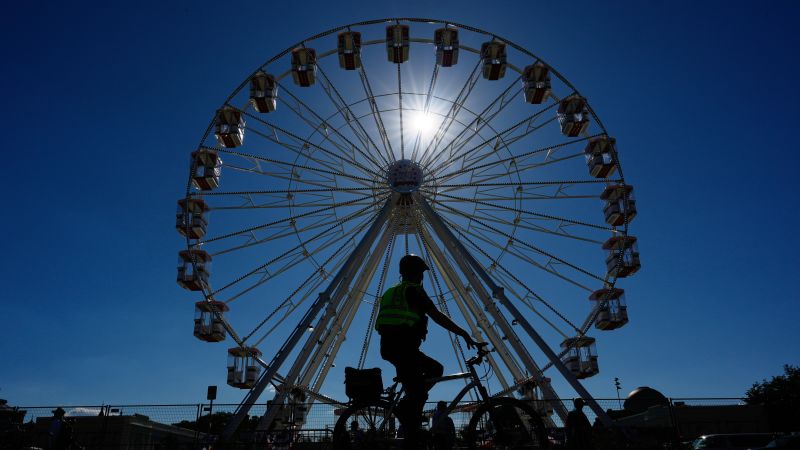
What we know about Trump s Great – The 16-day Great American State Fair, launched under the Trump administration, has opened its doors to the public on the National Mall in Washington, D.C. This immersive event aims to celebrate the United States’ 250th anniversary by showcasing the unique culture, heritage, and natural beauty of every state and territory through interactive pavilions. Visitors can expect a diverse array of activities, from military flyovers and film screenings to a towering 110-foot Ferris wheel, which has become a central attraction. The fair’s design blends traditional elements with modern twists, reflecting a vision of America’s enduring legacy.
Trump’s Vision and Organizational Backing
President Donald Trump first hinted at the concept of a “modern World’s Fair” during his 2023 campaign, setting the stage for what would become a sprawling celebration of national identity. Three years later, the idea has materialized into a grand spectacle, with the Trump-aligned nonprofit Freedom250 at the helm. The organization has coordinated a series of 250th-anniversary events, including a prominent prayer ceremony on the National Mall in May. This fair represents a significant investment in promoting American pride through large-scale, public-facing initiatives.
“This is the beginning of the golden age of America,” Trump proclaimed at the event’s inauguration, underscoring his belief in the fair’s role as a symbol of national rejuvenation. His vision appears to be on full display, with the inclusion of a scaled-down replica of his proposed 250-foot “triumphal arch” among other patriotic installations.
State Participation and Financial Challenges
While the fair features all 50 states and U.S. territories, not every jurisdiction has directly funded their own pavilion. Officials from Washington, Massachusetts, Illinois, North Carolina, and Connecticut have cited financial constraints as a primary reason for their decision to opt out. Instead, community groups and volunteers from each state have stepped in to represent their regions. This arrangement has allowed the event to proceed without significant delays, though some participants have raised concerns about the fair’s ideological leanings.
“We’re concerned the event is leaning more toward a partisan agenda than initially described,” said a spokesperson for Oregon Governor Tina Kotek, a Democrat. This sentiment highlights the potential for the fair to serve as a platform for political messaging, even as it aims to be a cultural celebration. Despite these debates, the event continues to draw attention for its ambitious scale and the creativity of the participating states.
State-Specific Attractions and Experiences
Each state pavilion offers a distinct experience, designed to immerse visitors in the region’s unique identity. Arizona’s booth, for example, transports attendees on a “sensory journey” through the state’s iconic landmarks. As explained by Paul Behnen, creative director at Off Madison Ave, the agency behind Arizona’s display, visitors will first encounter the golden hues of Antelope Canyon before stepping into a cool, shaded pine forest and finally into a desert nightscape illuminated by blacklights. The goal is to challenge stereotypes and highlight the state’s natural wonders.
Montana’s pavilion, meanwhile, invites guests to engage in hands-on activities, such as a fossil-digging station that simulates the thrill of paleontological discovery. Minnesota’s booth takes a different approach, encouraging visitors to test their skills by selecting the correct bird from a pond filled with miniature replicas of the common loon, the state’s official symbol. Florida’s pavilion emphasizes the state’s agricultural roots, with a mini-golf putting green that mirrors the citrus groves of the Sunshine State. Oklahoma’s display, by contrast, combines sensory elements with cultural storytelling, using lighting and sound to evoke the iconic lyrics from the musical “Oklahoma!”—“where the wind comes sweepin’ down the plain.”
Amy Blackburn, executive director of the Oklahoma Tourism and Recreation Department, told CNN that the pavilion’s design was intended to showcase the state’s rich diversity. “We wanted to shift perceptions and highlight the unique opportunities and experiences Oklahoma has to offer,” she said. The fair’s organizers have emphasized that these state-specific attractions are meant to foster a sense of unity and shared heritage, even as they acknowledge the individuality of each region.
Themes and Educational Elements
Throughout the fair, themes of American unity and historical legacy are interwoven with contemporary elements. The National Mall, typically a hub for political events, now serves as a stage for cultural and educational programming. Daily highlights include rodeo shows that blend traditional Western entertainment with precision riding demonstrations, as well as Mexican charro performances that celebrate the state’s multicultural roots. Visitors can also interact with American Miniature Therapy Horses, offering a therapeutic touch to the event’s vibrant atmosphere.
Freedom250 has integrated technology and art into the fair’s narrative, deploying mobile museums known as the Freedom Trucks. These units feature AI-generated videos and artwork that trace the nation’s founding, with content curated by both Hillsdale College, a Christian liberal arts institution in Michigan, and PragerU, a conservative media group focused on countering progressive narratives. The trucks aim to provide an accessible, dynamic learning experience for attendees of all ages.
Entertainment and Culinary Offerings
Despite some setbacks, the fair remains a hub of entertainment and community engagement. Earlier this month, organizers faced challenges when several artists withdrew from scheduled performances, prompting the cancellation of some concerts. However, Freedom250 CEO Keith Krach assured CNN that the event would still feature a wide range of musical acts. “We’ll have hundreds of performers, from local talent to national stars,” he said. The lineup includes military bands, vocalists, magicians, and other entertainers, ensuring a variety of options for all demographics.
Food enthusiasts will also find much to enjoy, with a selection of classic state fair fare available for purchase. Jumbo corn dogs, turkey legs, and buckets of fries are among the popular options, though the fair has also introduced more innovative dishes that reflect regional specialties. The culinary aspect adds to the immersive experience, allowing visitors to taste the flavors of every state as they explore its cultural offerings.
As the fair unfolds over the next 16 days, it promises to be a multifaceted celebration of American history, culture, and innovation. While debates about its political influence persist, the event’s organizers have focused on creating an engaging and educational experience for the public. With its blend of tradition and modernity, the Great American State Fair stands as a testament to the enduring appeal of showcasing the nation’s collective achievements and regional diversity. Whether through immersive pavilions, interactive exhibits, or live performances, the fair aims to leave a lasting impression on visitors and reinforce its message of national pride.
