
Trump extends Iran deadline by five days and claims ‘productive’ talks
Trump extends Iran deadline by five days and claims ‘productive’ talks
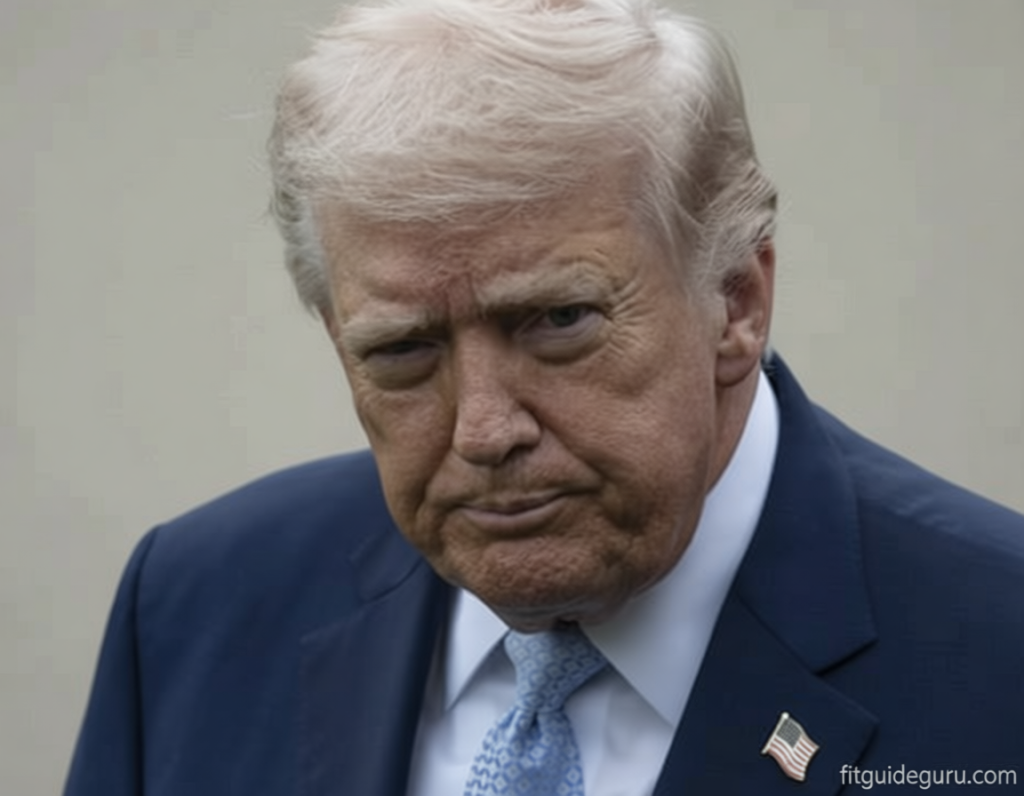
President Donald Trump has postponed his deadline to dismantle Iran’s energy infrastructure by five days, stating that the United States and Iran have engaged in “very good and productive conversations” regarding an end to the ongoing conflict. This decision, announced via Truth Social, appears to have temporarily halted a potential escalation of hostilities, though no immediate response from Tehran was reported.
Tehran’s foreign ministry denied any prior communication with the US, as noted by state-owned IRNA. Meanwhile, the Fars news agency, affiliated with the Islamic Revolutionary Guard Corps, claimed there were no direct or indirect talks, casting doubt on the extent of diplomatic engagement. Analysts suggest that the talks may not yet have resolved key issues, including Iran’s demands for a ceasefire that would require the US to withdraw its military presence from the Gulf and compensate for wartime damages.
Efforts to de-escalate the situation have also involved Oman, Turkey, Egypt, and Pakistan, though their success remains uncertain. Oman’s foreign minister, Badr Albusaidi, reiterated the country’s commitment to securing safe passage through the Strait of Hormuz, a vital artery for global oil and liquefied natural gas. The strait, currently closed due to Iranian attacks, has triggered fears of a severe economic crisis, with stock markets experiencing sharp declines before Trump’s deadline extension.
“We have had, over the last two days, very good and productive conversations,” Trump wrote in his post, instructing the Department of War to delay military strikes on Iranian power plants and energy infrastructure for five days, contingent on the progress of ongoing discussions.
Trump’s original ultimatum, set earlier in the week, threatened the destruction of Iran’s energy assets if Tehran did not permit unimpeded shipping through Hormuz. In response, Iran vowed to strike US bases in the Middle East, desalination facilities in Gulf nations, and intensify attacks on Israel. Fars reported that an unnamed source claimed Trump retreated after learning of Iran’s plan to target all power plants in Western Asia, with Iranian state television displaying a graphic captioned “US president backs down following Iran’s firm warning.”
Meanwhile, the United Arab Emirates confirmed that its air defenses were intercepting Iranian missiles, while Israeli and US warplanes continued their assaults on Iranian targets. The latest Iranian strike, which hit southern Israel and injured over 100 individuals, marked the most damaging attack since the war began. Israeli Prime Minister Benjamin Netanyahu pledged retaliation “on all fronts,” as Iran remained defiant, promising to “irreversibly destroy” critical Middle Eastern infrastructure if the US proceeded with its threat.
Trump’s strategy has also emphasized regime change, urging the Iranian people to reclaim their nation. Earlier in the week, he criticized the US for lacking “nobody to talk to” in Iran, paradoxically stating, “We like it that way.” Despite these statements, the administration’s ability to fully reopen Hormuz through military action alone faces challenges, compounded by concerns over Iran’s mysterious stockpile of enriched uranium.
With the five-day reprieve, oil prices have stabilized slightly, and financial markets have recovered some of their earlier losses. However, the broader implications of the conflict—threatening global energy supplies and economic stability—remain unresolved.
