
Iran threatens Gulf energy facilities after Israeli attack on its largest gasfield
Iran threatens Gulf energy facilities after Israeli strikes on key gasfield
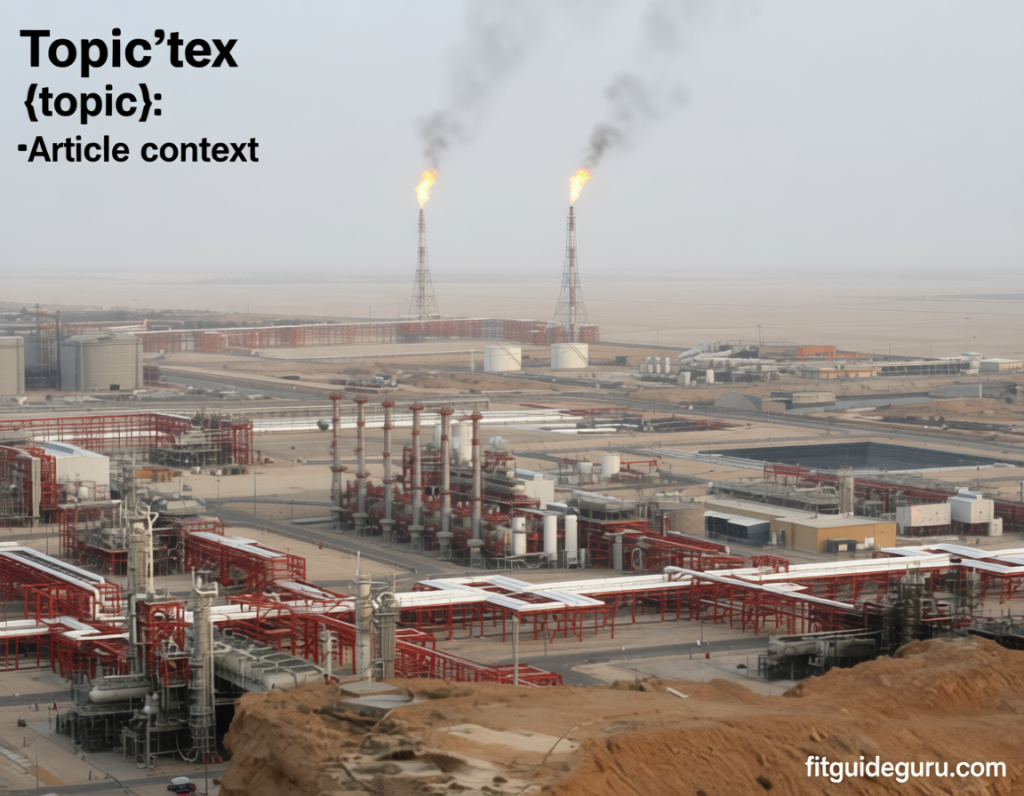
Iran has vowed to strike energy infrastructure across the Gulf region in response to Israeli attacks on its largest gas reserves, signaling a major shift in the conflict’s scope. The strikes on the South Pars field, shared with Qatar, were reportedly carried out with U.S. approval, according to Israeli media. This marks the first direct assault on Iran’s fossil fuel production since hostilities began.
Iran’s Revolutionary Guards warned of imminent counterstrikes on Saudi Arabia’s Samref refinery and Jubail petrochemical complex, the UAE’s al-Hosn gasfield, Qatar’s Mesaieed complex, and the Ras Laffan refinery. “These centres are now direct and legitimate targets,” the warning stated, urging citizens to evacuate the areas “without delay.”
“The pendulum of war has swung to a full-scale economic war,” said Eskandar Pasalar, the governor of Assaluyeh, Iran’s oil hub. He condemned the U.S.-Israel alliance’s actions as “political suicide.”
Meanwhile, Qatari officials highlighted the risks of targeting energy infrastructure, warning that such actions threaten global stability. “Disruption to supply chains could harm regional populations and the environment,” said Majid al-Ansari, a Qatari spokesperson.
Oil prices surged to $110 per barrel on Wednesday afternoon as fears of Gulf supply chain instability grew. Europe’s gas benchmark also rose sharply, climbing over 7.5% to €55.50 per megawatt hour. The global benchmark reached $116 a barrel earlier in the week, the highest since May 2022.
The third week of the conflict saw Iranian strikes on the UAE’s Shah gasfield, alongside attacks on Iraq’s Majnoon oilfield and Fujairah, the region’s largest port. Daily exports have dropped by at least 60% from prewar levels due to strikes and restricted shipping routes. Iran’s control of the Hormuz Strait has further limited Gulf producers’ ability to export oil, forcing them to halt operations to prevent overfilling storage facilities.
Despite the toll on production, Iran’s own hydrocarbon infrastructure remains largely untouched. A U.S. attack on Kharg Island earlier in the week targeted military assets without damaging oil export facilities. Iran continues to ship crude through Hormuz, maintaining a fifth of the world’s seaborne oil trade flow while threatening to ignite vessels carrying fuel from neighboring states.
