
Iran says it will ‘irreversibly destroy’ Middle East infrastructure if US attacks energy sites
Iran says it will ‘irreversibly destroy’ Middle East infrastructure if US attacks energy sites
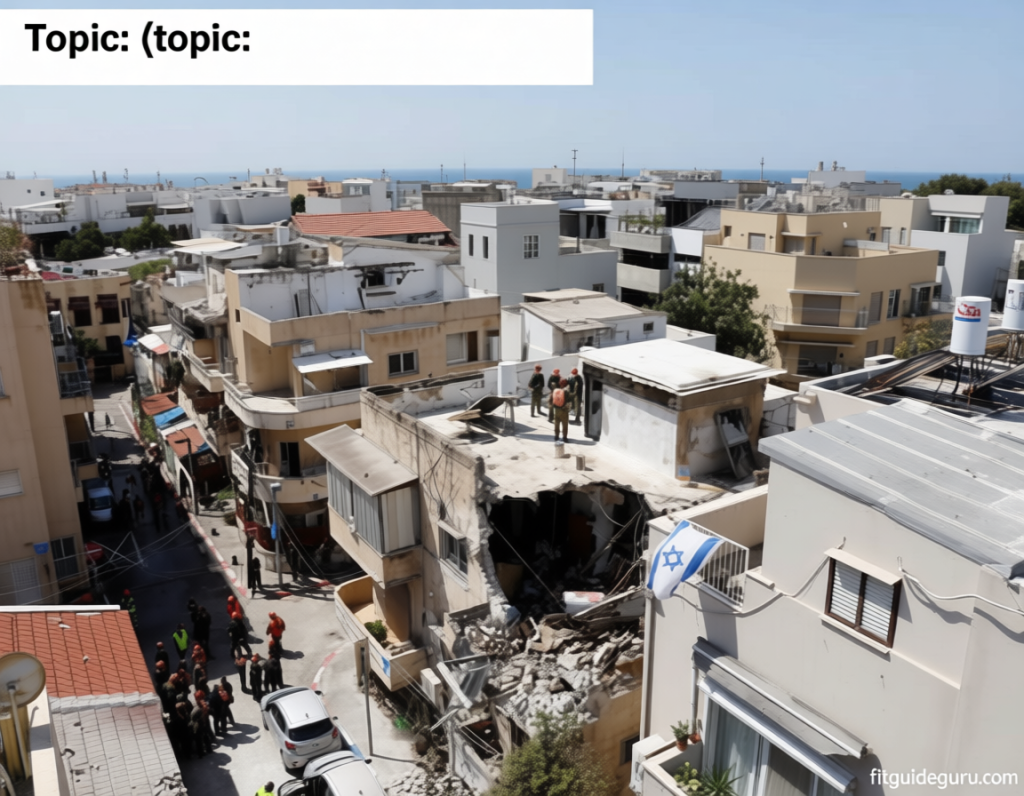
Iran has warned that it will “irreversibly destroy” key infrastructure throughout the Middle East in response to a potential US strike on its energy facilities. This declaration came shortly after US President Donald Trump announced a threat to “obliterate” Iran’s power plants if the Strait of Hormuz remained closed for two days. The warning escalated tensions as Iranian missiles hit two southern Israeli cities overnight, injuring dozens and damaging residential structures.
Following the attacks, the Iranian parliament’s speaker, Mohammad Bagher Ghalibaf, stated that “vital infrastructure as well as energy and oil infrastructure” across the region would be deemed “legitimate targets” after Iran’s own facilities were struck. The Iranian military’s operational commander, Khatam al-Anbiya, added that if Trump’s threat materialized, the strait would be “completely closed” and remain so until Iran’s damaged power plants were restored.
“Threats and terror are only strengthening Iranian unity,” said President Masoud Pezeshkian, while emphasizing that the “illusion of erasing Iran from the map” reflects “desperation against the will of a history-making nation.”
The Strait of Hormuz, a critical artery for global oil and liquefied natural gas, has effectively been blocked by Iranian strikes, triggering the worst oil crisis since the 1970s. European gas prices surged by 35% last week as the narrow waterway, which carries roughly 20% of world oil supplies, faced disruptions. Friendly nations like China, India, and Pakistan have seen limited passage, with only about 5% of pre-war traffic allowed through.
Since February 28, over 2,000 people have been killed in the escalating conflict between the US and Israel, with Iran retaliating by targeting Israel and Gulf states. Hezbollah, backed by Iran, launched an assault on Israel, drawing the country deeper into the conflict. Early Sunday, air raid alarms blared across Israel as missiles struck the towns of Arad and Dimona, injuring around 200 individuals, including two young children in critical condition.
The Israeli military confirmed it could not intercept the incoming missiles, which targeted the Negev Desert nuclear facility—believed to house the Middle East’s sole nuclear arsenal. In response, Israeli leaders vowed to strike Tehran, with Prime Minister Benjamin Netanyahu stating, “We’re going after the regime. We’re going after the IRGC, this criminal gang. We’re going after them personally, their leaders, their installations, their economic assets.”
On Saturday, the US gave Iran a 48-hour ultimatum to open the strait by Monday night, or face a “hit and obliterate” operation on its power plants. Iran’s representative to the International Maritime Organisation, Ali Mousavi, claimed the strait was accessible to all ships except those connected to “Iran’s enemies.” However, the attacks have already disrupted this flow, leading to a severe energy crisis.
Additional pressure on Israel’s defenses emerged on Sunday as a separate attack in Tel Aviv injured 15 more people using a cluster bomb. These strikes have intensified strain on the nation’s air defense systems, with Iranian assaults growing more frequent and damaging. The conflict now risks spiraling further, threatening regional stability and global energy markets alike.
