
Choc horror: Why ‘flavour’ bars and small packs are here to stay
Choc horror: Why ‘flavour’ bars and small packs are here to stay
Chocolate-flavored bars and smaller packaging sizes persist despite recent declines in cocoa prices and a 20% reduction in sugar costs. This shift has been observed as manufacturers adjust product formulations to align with lower ingredient expenses.
The rise of ‘chocolate flavour’ bars
The trend toward ‘chocolate flavour’ bars became evident last year, when cocoa prices reached near-record highs. As cocoa content dropped to the point where products could no longer be labeled as chocolate, companies began adopting alternative terminology to reflect the reduced composition.
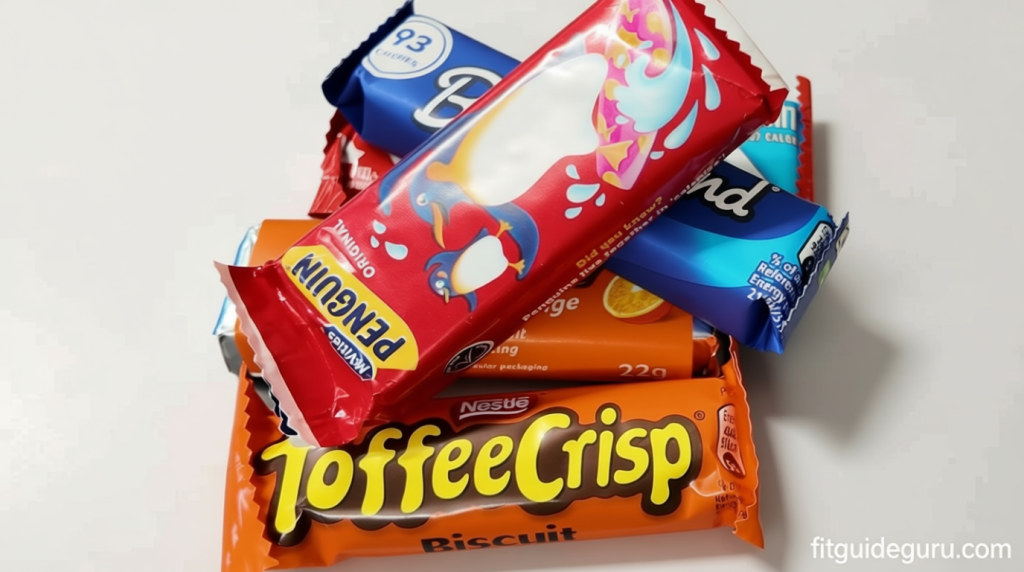
By December, Toffee Crisp and Blue Riband bars were rebranded as ‘chocolate flavour,’ as they no longer met the UK’s 20% cocoa solids and 20% milk solids thresholds for standard milk chocolate. This followed McVitie’s Penguin and Club bars in October, with KitKat White and McVitie’s white digestives also undergoing similar changes before 2025.
Manufacturers’ stance on changes
When asked about future adjustments, Nestle, which produces Toffee Crisp, Blue Riband, Quality Street, and KitKat, confirmed,
“There are currently no plans to make further recipe or weight changes to our individual confectionery products.”
According to Nestle, efforts to offset high cocoa prices had already been implemented, helping maintain product affordability. However, the market’s volatility remains a concern, with the company monitoring price trends closely.
Shrinking sizes and pricing shifts
Consumers have noted reductions in product weights over the past year. Celebrations, for instance, lost 150 grams from 2021 to 2025 while increasing in price. Similarly, Cadbury’s Dairy Milk shed 20 grams in four years, and Toblerone was found to be 20 grams lighter in September.
Quality Street tubs also decreased in size, dropping from 600 grams to 550 grams at Christmas. Multipacks faced similar changes, with some losing one or two bars. A Freddo multipack, for example, went from five to four bars, and Cadbury Fudge bar packs followed suit. KitKat two-finger milk chocolate bars also saw a reduction from 21 to 18 bars.
Market dynamics and future outlook
The recent drop in cocoa prices, which reached a low last seen in August 2023, may not immediately translate to lower costs for Easter chocolate. This is due to ongoing contracts that haven’t yet reflected the price reductions. Multinational producers, with cocoa content around 20%, are less affected by fluctuations compared to smaller manufacturers like Playin Choc, which uses up to 40% cocoa.
Domnic Simler of Playin Choc noted,
“For the smaller chocolatiers… who have a higher cocoa percentage, then I think we will be able to reduce the price, particularly of those higher cocoa content products.”
Despite falling cocoa prices, many suppliers are still bound by agreements that don’t account for the current lows. The war in the Middle East, as highlighted by Gemma Whitaker of Whitakers Chocolate, could counteract these savings, pushing prices upward as production and procurement decisions remain based on higher costs.
Industry data from Worldpanel reveals that Easter egg prices rose 9% compared to 2025, suggesting that cost pressures may persist beyond the holiday season. While wholesale sugar costs have dropped by 20% since last year, this hasn’t yet led to widespread price reductions for chocolate products this Easter.
