
Election in Rhineland-Palatinate: AfD achieves record result in western Germany
Election in Rhineland-Palatinate: AfD achieves record result in western Germany
The SPD faces another setback as they lost ground in the Rhineland-Palatinate state elections, marking their second consecutive defeat. The party’s share of the vote dropped by approximately nine percentage points, with the CDU emerging as the clear frontrunner. Projections from ARD and ZDF (Infratest dimap and Forschungsgruppe Wahlen) after 8 p.m. showed the CDU securing 30.6%, while the Social Democrats, who have governed the state for 35 years under Premier Alexander Schweitzer, fell to 25.7%.
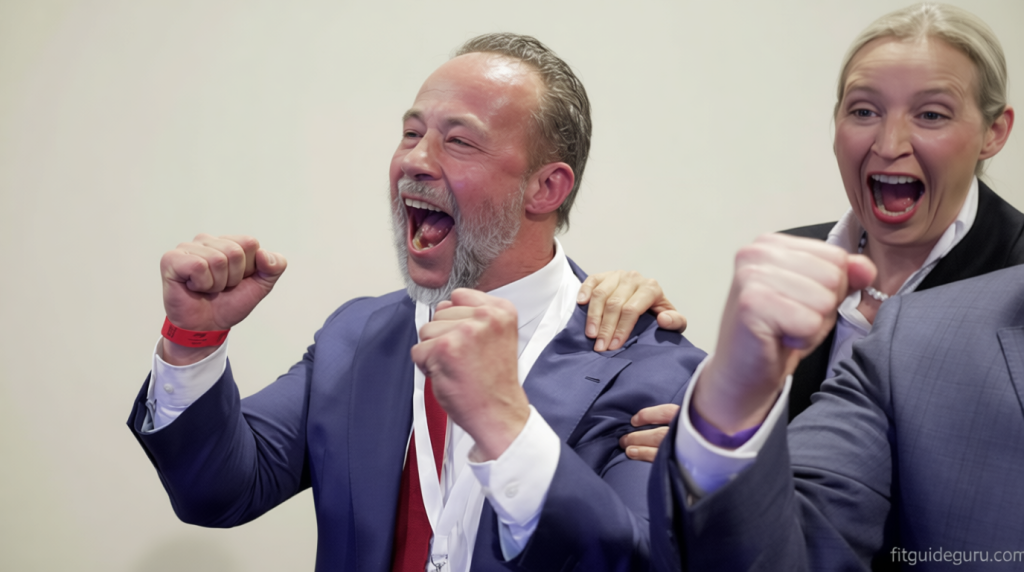
The AfD made significant strides, jumping to third place with around 20% of the vote. This surge of more than 11 percentage points is notable, positioning the far-right party as a formidable opposition force. Party leader Alice Weidel vowed to deliver “excellent opposition work” following the results, signaling a shift in political dynamics.
Other major parties also experienced losses, with the Greens becoming the fourth-strongest group in the state at 7.9%. The Free Democrats, a key part of the traffic-light coalition, slipped below the threshold for parliamentary representation, landing at approximately 2%. The Left Party narrowly missed entry into the state parliament with just over 4% of the vote.
Uncertainty lingered over the influence of postal ballots, but current projections suggest only four parties will hold seats in the state legislature. Gordon Schnieder, brother of Federal Transport Minister Patrick Schnieder, is expected to lead the next government as CDU’s likely candidate. A potential coalition with the SPD is viewed as the most probable path forward.
For Chancellor Friedrich Merz’s federal CDU, this result represents a strong showing after a closely contested campaign in Rhineland-Palatinate. The party’s success contrasts with their earlier tight race against the Greens in Baden-Württemberg two weeks prior. Federal parliamentary group leader Jens Spahn called the outcome “historic,” viewing it as a sign of momentum for national politics. He expressed hope for a “tailwind” at the federal level during an ARD interview.
Within the SPD, the implications of the loss are profound. Party leader and Vice-Chancellor Lars Klingbeil hinted at internal discussions in response to the electoral defeat, while the SPD’s general secretary referred to the result as a “bitter setback.”
“This victory is historic and signals a new direction for our party.”
Despite the CDU’s gains, the broader political landscape in western Germany continues to evolve, with the AfD now poised to play a central role in state-level politics.
