
Blizzard Warning: What It Means and How to Prepare
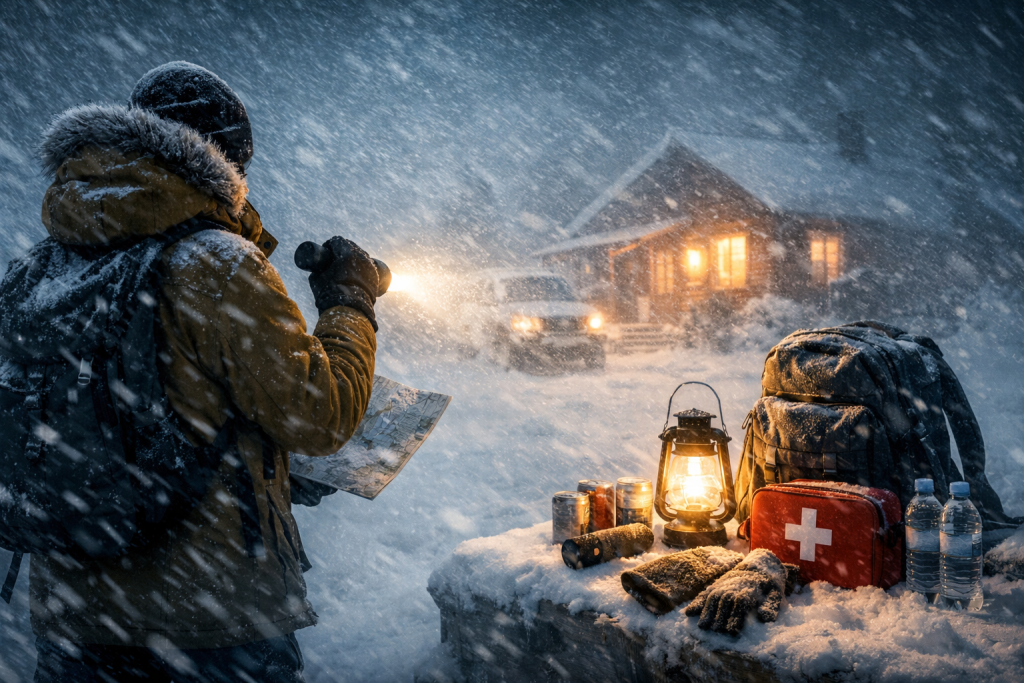
A blizzard warning is an official alert issued by national weather authorities when a severe winter storm with sustained strong winds and heavy snow is expected to create dangerous whiteout conditions. It signals that travel may become life-threatening, visibility will drop to near zero, and exposure to the cold can quickly result in frostbite or hypothermia. When a blizzard warning is announced, immediate preparation and caution are required. This alert is not about inconvenience; it is about safety and survival.
What Is a Blizzard Warning?
A blizzard warning is issued when specific weather criteria are forecasted or already occurring. In the United States, for example, the National Weather Service defines a blizzard as sustained winds or frequent gusts of at least 35 mph, combined with falling or blowing snow, reducing visibility to a quarter mile or less for at least three hours. The key factor is not just heavy snowfall but the combination of wind and low visibility.
Blizzards can occur with fresh snowfall or with strong winds lifting existing snow from the ground. This means that even without heavy new snow accumulation, conditions can still become extremely dangerous. The blowing snow creates whiteout conditions that make orientation and travel nearly impossible.
A blizzard warning is more severe than a winter storm warning. While winter storms can disrupt transportation and cause power outages, a blizzard brings prolonged low visibility and high winds that significantly increase the risk of accidents, stranded vehicles, and exposure-related injuries.
How a Blizzard Warning Differs from a Blizzard Watch
It is essential to understand the difference between a blizzard watch and a blizzard warning. A watch means that blizzard conditions are possible within the next 24 to 48 hours. It is an early alert to begin preparations and monitor forecasts closely.
A warning, by contrast, means that blizzard conditions are expected or already happening. At this stage, protective action should be taken immediately. Travel plans should be reconsidered, and emergency supplies should be ready.
The transition from watch to warning reflects increased confidence in the forecast. When a blizzard warning is issued, authorities have high certainty that severe winter conditions will meet established criteria and pose serious threats to public safety.
Dangers Associated with a Blizzard Warning
The most immediate danger during a blizzard warning is near-zero visibility. Drivers can quickly lose sight of the road, traffic signals, and other vehicles. Multi-vehicle accidents are common during blizzards due to sudden whiteout conditions.
Another major risk is extreme cold combined with high winds. Wind chill values can drop to dangerously low levels, increasing the likelihood of frostbite on exposed skin within minutes. Hypothermia becomes a serious concern for anyone stranded outdoors or in unheated environments.
Power outages are also common during blizzards. Heavy snow and strong winds can damage power lines and trees, leaving homes without heat or electricity. In rural areas, drifting snow can block roads for days, delaying emergency response and supply deliveries.
Structural stress is an additional hazard. Accumulated snow on rooftops can cause collapses, particularly on flat or older structures. Ice buildup can also damage gutters and roofing materials, increasing long-term repair costs.
How to Prepare Before a Blizzard Hits
Preparation should begin as soon as a blizzard watch or warning is issued. The first priority is ensuring that you have essential supplies. This includes non-perishable food, bottled water, medications, flashlights, batteries, and a battery-powered radio.
Home heating systems should be checked in advance of a winter storm. Ensure that furnaces are functioning properly and that fuel supplies are adequate. If you use fireplaces or wood stoves, confirm that ventilation systems are clear and safe to operate.
Protecting your home from freezing temperatures is critical. Insulate exposed pipes, seal drafts around windows and doors, and allow faucets to drip slightly during extreme cold to prevent pipes from bursting. Move vehicles into garages if possible to reduce snow accumulation and improve start-up reliability.
Develop a communication plan with family members. Agree on how to stay in contact if power or cellular networks become unstable. Fully charge phones and backup battery packs before the storm intensifies.
Safety Guidelines During a Blizzard Warning
Once a blizzard warning is in effect, staying indoors is the safest choice. Avoid unnecessary travel. Roads can become impassable due to drifting snow, and emergency responders may be unable to reach stranded motorists quickly.
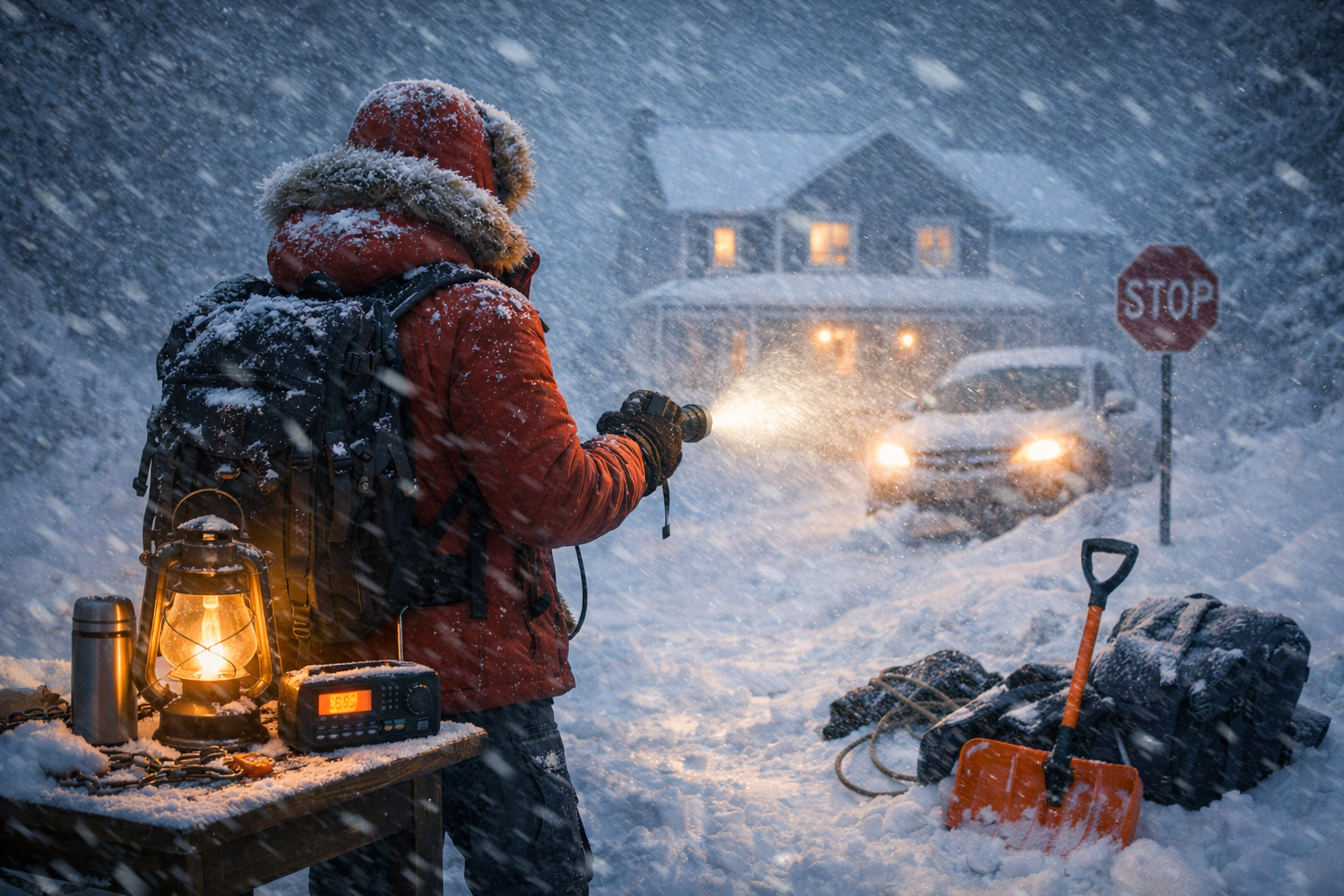
If you must travel, inform someone of your route and expected arrival time. Keep an emergency kit in your vehicle, including blankets, water, food, a shovel, jumper cables, and reflective markers. If stranded, remain inside the vehicle and run the engine intermittently for heat, ensuring that the exhaust pipe is clear of snow to prevent carbon monoxide buildup.
Inside the home, conserve heat by closing off unused rooms and wearing layered clothing. Never use outdoor grills or generators inside enclosed spaces, as this can cause carbon monoxide poisoning. Use generators only in well-ventilated outdoor areas, far from windows and doors.
Check on vulnerable individuals, including elderly neighbors and those with medical conditions. Prolonged exposure to cold indoor temperatures can be dangerous, especially during extended power outages.
After the Blizzard: Recovery and Caution
Even after snowfall stops, hazards remain. Snow drifts can obscure road edges and hide obstacles. Black ice may form as temperatures fluctuate, increasing the risk of slips and vehicle skidding.
Shoveling snow can strain the heart and muscles. Take frequent breaks and avoid overexertion, particularly if you have pre-existing health conditions. Use proper lifting techniques and consider spreading the task over time rather than clearing everything at once.
Inspect your property carefully for damage. Look for signs of roof stress, ice dams, and broken branches. Address minor issues promptly to prevent long-term structural damage.
Continue monitoring official updates until the blizzard warning is officially lifted. Secondary storms or lingering high winds can prolong dangerous conditions beyond the initial snowfall.
Conclusion
A blizzard warning signals severe winter conditions that combine strong winds, heavy or blowing snow, and dangerously low visibility. It demands immediate preparation, limited travel, and strict adherence to safety protocols. Understanding what a blizzard warning means and acting decisively reduces the risk of accidents, injury, and property damage.
FAQ
Q: What triggers a blizzard warning? A: It is issued when sustained winds of at least 35 mph and visibility of a quarter mile or less due to snow are expected to last for three hours or more.
Q: Is a blizzard warning more serious than a winter storm warning? A: Yes, because it involves prolonged low visibility and strong winds that significantly increase danger.
Q: Can a blizzard occur without heavy snowfall? A: Yes, strong winds can lift existing snow from the ground, creating whiteout conditions even without new accumulation.
Q: Should I travel during a blizzard warning? A: Travel should be avoided unless absolutely necessary due to the high risk of accidents and becoming stranded.
Q: How long can blizzard conditions last? A: They must last at least three hours to meet official criteria, but many blizzards continue much longer depending on storm intensity.
