
Atlanta metro downpour leads to massive fish kill on the Chattahoochee River
Atlanta Downpour Triggers Massive Fish Kill on Chattahoochee River
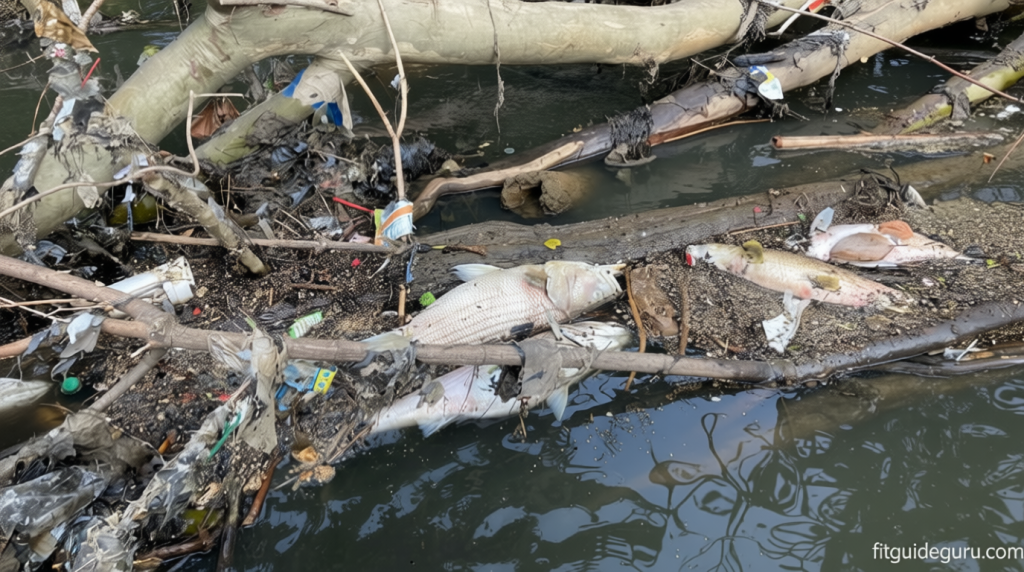
Atlanta metro downpour leads to massive – A powerful storm in the Atlanta metro area has sparked a significant fish die-off along the Chattahoochee River. On Friday, environmental watchdog Chattahoochee Riverkeeper reported the discovery of hundreds of fish, some weighing up to 20 to 30 pounds, floating lifelessly near the riverbanks. The incident, attributed to the storm’s impact, has raised concerns about water quality and ecological health in the region.
Intense Rainfall and Drought Stress the Ecosystem
The fish kill followed an intense thunderstorm that dumped over three inches of rain per hour on Wednesday, overwhelming urban drainage systems and causing severe flooding. Jason Ulseth, director of Chattahoochee Riverkeeper, described the aftermath as a stark deviation from the river’s typical state, with debris and dead fish scattered across the shoreline. He emphasized that the river’s low flow, exacerbated by prior drought conditions, left it vulnerable to the sudden influx of warm, polluted stormwater.
According to Ulseth, the river’s diminished capacity to dilute contaminants during the storm created toxic conditions. “The low water levels meant the river couldn’t absorb the thermal load from the stormwater,” he said. “This, combined with the heavy rainfall, led to a rapid shift in water temperature and reduced oxygen levels, which are critical for fish survival.” The Atlanta Department of Watershed Management confirmed the storm’s intensity but noted that the river’s natural flow was at a minimum, amplifying the effects of the urban runoff.
Pollution and Litter Highlight Contamination Concerns
Investigators found an unusual black substance coating the riverbanks, which emitted a strong, foul odor. Ulseth suggested this could be a sign of sewage pollution, though the exact origin is still under review. Alongside the dead fish, items like condoms, sanitary products, and wet wipes were also observed, further pointing to wastewater contamination. These findings align with reports of the city’s underground tunnel system releasing untreated sewage into the river during heavy rains.
Riverkeeper highlighted that the affected area begins where the tunnel overflow structure meets the Chattahoochee River. This connection, they argue, may have allowed pollutants to mix with stormwater, creating a lethal environment for aquatic life. “The combination of massive stormwater and sewage discharge likely overwhelmed the river’s ability to sustain fish populations,” the group stated in a recent press release. They also mentioned that treated wastewater facilities contributed to the overall load, compounding the issue.
Experts Debate the Primary Cause
While Riverkeeper blames a mix of environmental and human factors, the city’s Department of Watershed Management insists the storm was the main driver. Lena Hardy, a spokesperson for the department, pointed to water quality data showing the tunnel system functioned as designed during the event. However, she acknowledged that all tests are not yet complete, leaving the full scope of the incident unclear.
Hardy explained that the storm’s high rainfall volume disrupted the river’s natural balance, but Ulseth remains unconvinced. “The presence of sanitary waste in the water strongly suggests contamination from the city’s infrastructure,” he argued. The debate underscores the tension between natural disasters and long-standing issues of sewage management, with both sides attributing the crisis to different degrees of human impact.
Investigations and Long-Term Implications
Authorities are conducting a thorough analysis to determine the exact causes of the fish kill. The Georgia Environmental Protection Division and the Georgia Department of Natural Resources have been engaged in the process, providing technical insights to aid in the investigation. While the immediate cause is being scrutinized, the event has reignited discussions about the Chattahoochee River’s fragile state and the need for improved water management practices.
This incident adds to a history of pollution-related challenges in the area, with legal disputes over sewage contamination dating back decades. As the Atlanta metro continues to grapple with the aftermath of the downpour, the community watches closely to see if the fish kill serves as a wake-up call for environmental reforms. The event highlights how extreme weather events can expose underlying vulnerabilities in urban water systems, with the river’s health now in the spotlight.
