
A violent volcanic eruption may have revealed a new weapon to tackle a potent planet-heating gas
Volcanic Eruption May Have Revealed Methane-Neutralizing Mechanism
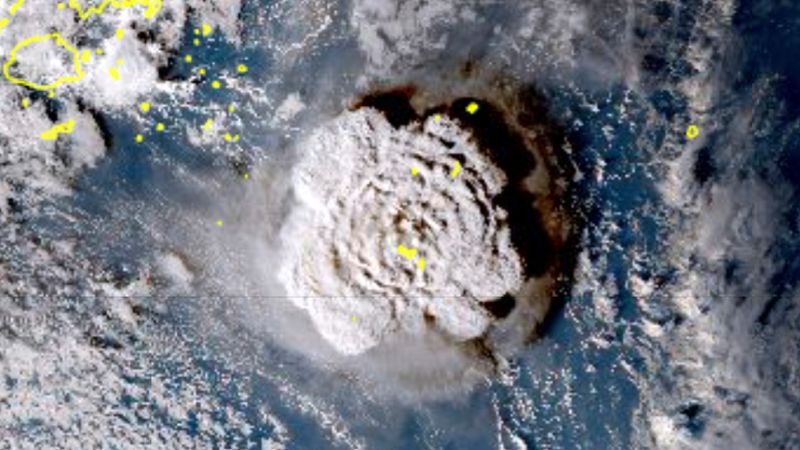
A violent volcanic eruption may have demonstrated a natural process that could help combat climate change by reducing methane emissions. In January 2022, the underwater eruption of the Hunga Tonga-Hunga Ha’apai volcano in the South Pacific launched a plume of ash, steam, and gases nearly 40 miles into the atmosphere. This event, one of the most powerful in recent history, not only generated a tsunami and a global sonic boom but also offered an unexpected insight into how methane, a key driver of global warming, might be neutralized. Scientists analyzing satellite data found that the eruption triggered a unique atmospheric reaction, potentially revealing a new way to address this potent greenhouse gas.
The Unanticipated Methane Reduction
Research published in *Nature Communications* uncovered that the volcanic plume may have begun to eliminate methane it released. The discovery involved a massive cloud of formaldehyde in the stratosphere, a substance typically linked to chemical processes that break down methane. This phenomenon mirrors how Saharan dust interacts with oceanic salt spray to form iron-based particles, which then generate chlorine atoms to degrade methane. The volcanic event, however, created similar conditions at high altitudes, suggesting a natural mechanism for methane neutralization.
“We found a huge cloud of formaldehyde that shouldn’t normally be there,” said Maarten van Herpen, a physicist at Acacia Impact Innovation. “This indicates a chemical process we hadn’t fully understood before.”
The eruption expelled an estimated 58,000 Olympic-sized swimming pools of salty water vapor into the stratosphere. Combined with volcanic ash, this mixture may have facilitated chlorine atom formation, a process critical for methane breakdown. The formaldehyde cloud, which persisted for 10 days, provided evidence that methane degradation continued for over a week. This discovery could inspire new strategies to target methane at its source, leveraging natural atmospheric interactions.
Understanding Methane’s Climate Impact
Methane is a major contributor to global warming, with a heat-trapping capacity 80 times greater than carbon dioxide over a 20-year span. Despite its shorter atmospheric lifetime—lasting only about a decade—methane accounts for roughly a third of current warming. Human activities, such as fossil fuel extraction and agriculture, have caused its concentrations to double in the past two centuries. While reducing carbon emissions remains a priority, methane’s role as a “low-hanging fruit” for mitigation has been a focus of environmental strategies.
Researchers argue that the volcanic-induced process could enhance efforts to tackle methane emissions. By creating conditions that allow chlorine atoms to neutralize methane, the eruption may have shown how natural systems can complement human interventions. This finding adds to the growing body of evidence about atmospheric chemistry, highlighting the potential for volcanic activity to influence climate dynamics in ways previously overlooked.
Geological and Atmospheric Synergy
The study underscores the complex relationship between geological events and atmospheric chemistry. When the Hunga Tonga-Hunga Ha’apai volcano erupted, it introduced vast amounts of water vapor and ash into the stratosphere—a layer of the atmosphere known for its stability and slow air currents. This created a unique environment where chemical reactions could occur, akin to those seen in the Atlantic Ocean where Saharan dust and salt spray interact.
The volcanic plume’s ability to generate chlorine atoms suggests a new pathway for methane neutralization. This process, which involves the breakdown of methane molecules, could be harnessed to create more effective strategies for reducing greenhouse gas emissions. The discovery also raises questions about how other natural events might contribute to climate regulation, offering a fresh perspective on the Earth’s systems.
