
Stopping weight loss jabs can lead to rapid weight regain in one year, study suggests
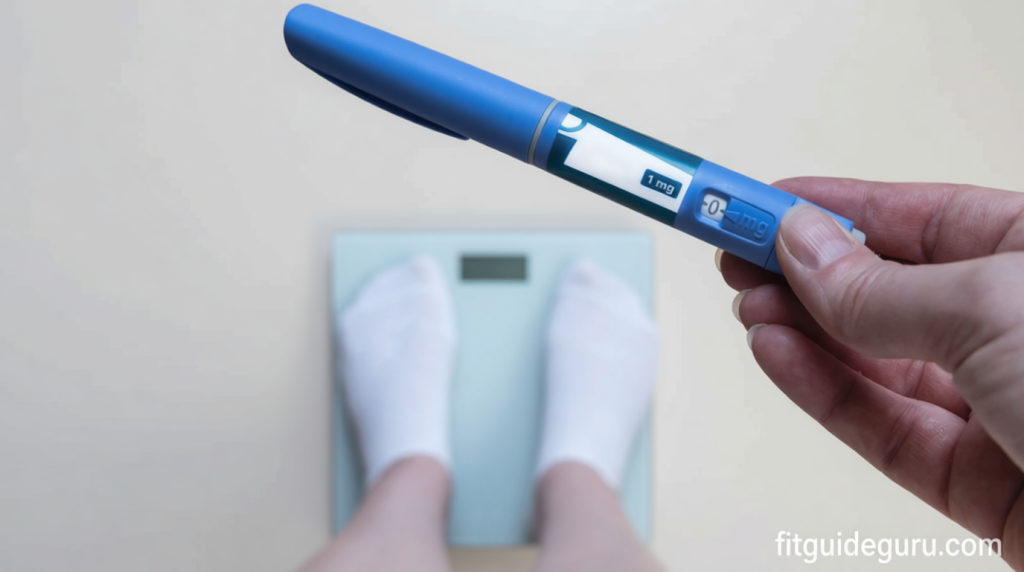
New Study Highlights Weight Regain Risk After Stopping Obesity-Targeted Injections
A recent study indicates that individuals who discontinue obesity treatments through injections may experience substantial weight recovery within a year. Researchers from the University of Cambridge analyzed data showing that, after 52 weeks without the medication, participants had regained approximately 60% of the weight they initially lost.
Impact on Fat and Lean Mass
Experts caution that if the majority of the regained weight consists of fat, individuals may end up in a less favorable state than before initiating the treatment. The findings emphasize that while weight loss drugs can help reduce body mass, their long-term effectiveness depends on the balance between fat and lean tissue recovery.
“Our projections indicate that although most weight is regained, some loss remains. However, the uncertainty lies in whether lean mass is also restored, which could affect overall health,” said Brajan Budini, a medical student at the University of Cambridge.
Drug Mechanism and Broader Applications
GLP-1 receptor agonists, initially developed for managing type 2 diabetes, are now approved for obesity treatment on the NHS. Drugs like semaglutide (Wegovy) and tirzepatide (Mounjaro) have been recognized for their efficacy in weight management. A separate study, involving over 600,000 U.S. veterans with type 2 diabetes, indicates that these injections may also aid in curbing substance use disorders, including addiction to alcohol, cigarettes, and drugs such as cannabis, cocaine, nicotine, and opioids.
Experts theorize that GLP-1 agonists influence the brain’s reward system, reducing cravings. This effect was observed in both individuals without pre-existing addictions and those already struggling with substance misuse. The research, published in eClinicalMedicine, encompassed six trials with over 3,200 participants, highlighting that “significant weight regain occurs after stopping the medication.”
Long-Term Weight Trends
The study also noted that weight regain tends to stabilize, with about 75% of the original weight loss recovered by 60 weeks, suggesting that 25% might be maintained long-term. Researchers advocate for additional studies to investigate the composition of weight changes during and after treatment with these injections.
Substance Use Reduction in Veterans
Meanwhile, a BMJ-published study tracked veterans for up to three years, revealing a 14% decreased risk of substance use disorders in those without prior addiction histories. It also showed reduced risks for specific substances, including 18% for alcohol, 14% for cannabis, 20% for cocaine, 20% for nicotine, and 25% for opioids, compared to other diabetes treatments. Among those with existing substance use disorders, starting the jabs was linked to a 31% lower risk of SUD-related emergency department visits, hospital admissions, and mortality.
Although the study focused on older men, comparable outcomes were observed in female participants as well. These results underscore the potential of GLP-1 agonists to address both weight management and addiction prevention, though further research is needed to clarify their full impact on body composition and long-term health outcomes.
