
MP: ‘My mum killed the man who abused her – but we’d see her as a victim today’
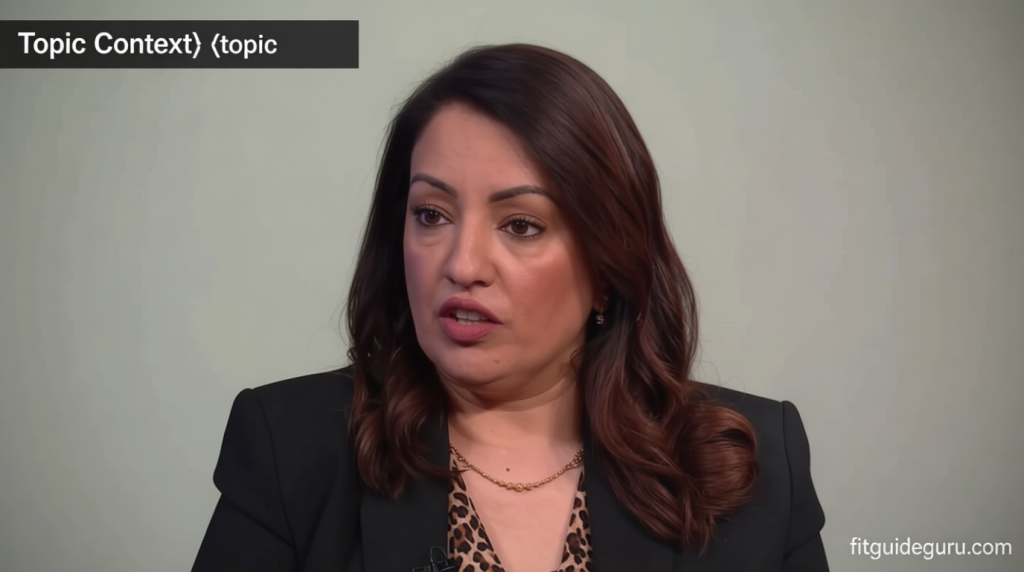
MP: ‘My mum killed the man who abused her – but we’d see her as a victim today’
Labour MP Naz Shah shared her mother’s story with Sky News, revealing how years of abuse led to a tragic act of violence. She emphasized the need for a societal shift in understanding the cultural concept of ‘izzat’—or honour—within South Asian communities, mirroring the approach taken by French activist Gisèle Pelicot for rape survivors.
Reflections on a Memoir and Justice
Ms. Shah discussed her memoir, Honoured: Survival, Strength And My Path to Politics, while speaking to Sarah-Jane Mee on The UK Tonight. Her narrative highlights the struggles of women in patriarchal systems and the impact of domestic abuse on their lives.
“My first memory was of my dad beating my mum.”
Ms. Shah recounted how her father abandoned her mother when she was six, leaving her vulnerable to further exploitation. Her mother, Zoora, faced continued abuse from a man named Azam, whom she referred to as “uncle” in her community.
“You have a 23-year-old with three young children… and then you’re exploited sexually. Now we understand, you know, the vulnerability of that woman.”
Describing the circumstances, she painted a picture of Zoora’s isolation: “Picture a 23-year-old in a country that isn’t where she was born, doesn’t understand the language, with three kids living in rented accommodation, in abject poverty. Totally isolated by her circumstances.”
Azam initially appeared as a savior, helping Zoora secure a home by using her funds. However, over time, he became her abuser, subjecting her to sexual violence for years. Fearing his influence could extend to her children, Zoora took matters into her own hands by poisoning Azam with arsenic. She was convicted of murder and received a 20-year prison sentence.
“She gets sentenced to 20 years in prison because she’s seen as a woman who was just trying to have this house, rather than the destitute, desperate woman that she actually was at the time.”
The Bradford West MP criticized the justice system for failing to recognize the systemic pressures faced by women. She noted that organizations supporting imprisoned women who have committed violence often overlook the broader context of abuse.
“From my mother’s perspective, the whole concept of honour was the thing that held her back. And I remember the foreman of the jury at the time saying once he learned about her story, he said, ‘had I known about this, then potentially I wouldn’t have found her guilty for murder’.”
Zoora’s loss of ‘izzat’ after her husband’s departure compounded her silence about the abuse. Ms. Shah stressed the importance of reassigning shame to men, arguing that the same dynamic seen in her mother’s case could now be challenged.
“It’s just literally like Gisèle Pelicot was talking about, we need to flip the shame. It is exactly the same concept.”
She called for the South Asian community to reevaluate its patriarchal norms, ensuring that the burden of shame falls on perpetrators rather than victims. This, she believes, is the path to true justice and empowerment for women like her mother.
