
Sex Education for Special Needs Students: Key Strategies to Empower Learning
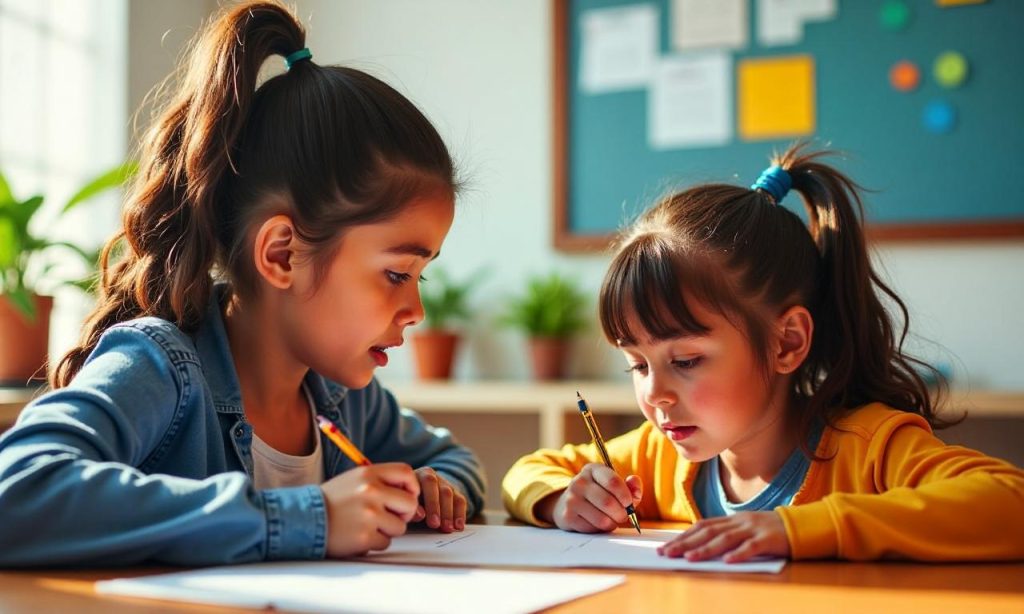
Sex education is a vital component of a well-rounded curriculum, equipping students with essential knowledge about their bodies, relationships, and personal boundaries. For special needs students, this education becomes even more critical, as it not only supports their overall development but also helps them navigate social interactions and self-awareness in a supportive way. However, traditional approaches to sex education often overlook the unique challenges these students face, such as varying learning paces, sensory sensitivities, or difficulty processing abstract concepts. Sex education for special needs students requires tailored strategies that cater to individual needs while fostering confidence and understanding. By adapting teaching methods, creating inclusive environments, and using appropriate resources, educators can ensure that all students, regardless of their learning abilities, receive the information they need to grow and thrive.
Understanding the Unique Needs of Special Needs Students in Sex Education
Every student learns differently, but special needs students often require customized approaches to grasp complex topics like sex education. These students may have conditions such as autism, Down syndrome, ADHD, or intellectual disabilities, which can impact how they absorb and retain information. For instance, students with autism might benefit from structured routines and visual aids, while those with Down syndrome may need simplified language and repeated exposure to key concepts. The key strategies for sex education for special needs students should address these differences to ensure meaningful engagement.
Identifying Learning Styles and Preferences
Before designing a curriculum, educators must first identify the learning styles of special needs students. This could involve assessing whether a student learns better through visual materials, hands-on activities, or auditory explanations. For example, students with visual impairments may require tactile models or audio descriptions to understand anatomy, whereas those with attention deficits might need short, focused lessons with frequent breaks. By recognizing these preferences, teachers can create a more personalized learning experience that aligns with the student’s strengths. Individualized assessments are crucial in this process. A visual learner might struggle with verbal explanations but thrive with diagrams or videos, while a kinesthetic learner could gain deeper understanding through role-playing or interactive games. Teachers should collaborate with special education professionals, parents, and therapists to gather insights into each student’s needs. This collaborative effort ensures that sex education for special needs students is not just accessible but also effective, allowing for a more comprehensive and inclusive approach.
Addressing Sensory and Emotional Sensitivities
Sensory sensitivities can pose a significant challenge in sex education for special needs students. For instance, students with sensory processing disorders might feel overwhelmed by bright colors, loud sounds, or physical contact during lessons. To accommodate these sensitivities, educators should create a calm and predictable environment. Using soft lighting, quiet spaces, and gentle teaching tones can help reduce anxiety and make learning more comfortable.
Emotional support is equally important. Special needs students may experience heightened emotions or difficulty understanding social cues, which can affect their participation in discussions about topics like intimacy or consent. Teachers should incorporate empathy-building exercises and positive reinforcement to encourage open communication. For example, using storytelling with relatable characters can help students connect with the material on an emotional level. This approach ensures that sex education for special needs students is not only informative but also emotionally safe, promoting a sense of security and trust.
Designing a Curriculum That Works for All Learners
A well-structured curriculum is the foundation of effective sex education for special needs students. Traditional textbooks and lectures may not be sufficient for these learners, as they often require a more interactive and multisensory approach to grasp abstract ideas. Educators should break down complex topics into smaller, manageable segments and use a variety of teaching tools to reinforce learning.
Using Visual and Hands-On Learning Materials
Visual learning is particularly beneficial for special needs students who may struggle with verbal instruction. Tools such as diagrams, charts, and illustrated books can help make sex education for special needs students more tangible. For example, a visual timeline showing the stages of puberty or a 3D model of the human body can aid in understanding. Additionally, hands-on activities like role-playing games or modeling exercises allow students to explore concepts in a safe, controlled environment. These materials should be designed with clarity and simplicity in mind. For students with intellectual disabilities, using high-contrast images and simple language ensures that the information is accessible. Similarly, students with autism may respond well to structured visual schedules that outline what to expect during each lesson. By incorporating multisensory elements, the curriculum becomes more engaging, helping students retain information more effectively.
Incorporating Adaptive Technology and Multimedia
Technology can be a powerful ally in sex education for special needs students. Interactive apps, educational videos, and tablet-based programs can cater to different learning paces and preferences. For example, interactive apps that use drag-and-drop features or audio descriptions can help students with visual or auditory impairments. Multimedia resources such as animated videos or virtual reality experiences can also provide a more immersive understanding of topics like reproduction or personal boundaries. Adaptive technology ensures that no student is left behind. Students with Down syndrome might benefit from text-to-speech software to assist with reading, while those with ADHD could use gamified lessons to maintain focus. By integrating digital tools into the curriculum, educators can create a more inclusive and dynamic learning environment that meets the diverse needs of special needs students. This approach not only enhances comprehension but also builds confidence in sex education for special needs students.
Creating an Inclusive and Supportive Learning Environment
Beyond curriculum design, the learning environment plays a critical role in the success of sex education for special needs students. A classroom that feels welcoming and safe encourages students to ask questions and participate actively. Teachers should ensure that all students, including special needs students, are treated with respect and given equal opportunities to learn.

Fostering a Safe and Respectful Atmosphere
Creating a safe space for sex education for special needs students involves more than just physical comfort—it also requires a respectful and inclusive attitude. Teachers should model positive behavior and empathy when discussing sensitive topics. For example, using inclusive language such as “everyone has a body” instead of “all bodies” can help students with communication difficulties feel more connected. It’s important to involve the entire class in the learning process. Peer discussions and group activities can reduce stigma and encourage collaboration. Special needs students may feel more comfortable learning from classmates who share similar experiences, which can also foster a sense of community. By ensuring that all students are part of the conversation, educators can make sex education for special needs students a shared experience rather than a segregated one.
Encouraging Active Participation and Feedback
Active participation is essential for special needs students to grasp and retain information. Teachers should incorporate interactive elements such as group activities, games, or hands-on experiments to keep students engaged. For example, role-playing scenarios can help students practice consent and personal boundaries in a practical setting. Encouraging feedback allows educators to adjust their methods based on student responses. Special needs students may express their understanding through visual cues, gestures, or written notes, so teachers should be prepared to accept multiple forms of communication. By creating an environment where students feel safe to express themselves, educators can ensure that sex education for special needs students is not only delivered but also internalized.
Measuring Progress and Adapting Strategies
Assessment is a key part of sex education for special needs students, helping educators determine whether the strategies are working effectively. Traditional exams may not be suitable for all learners, so alternative assessment methods should be used to gauge understanding. This could include observation logs, portfolios, or one-on-one discussions.
Individualized Assessments to Track Development
Each special needs student should have an individualized assessment plan that reflects their unique learning journey. For example, students with autism might be assessed through visual checklists or repetition of key concepts, while those with Down syndrome could benefit from simplified questionnaires. These assessments should be flexible, allowing for adjustments based on student progress.
By tracking development, educators can identify areas where students may need additional support. For instance, if a student with ADHD struggles to recall information about reproductive health, the teacher might introduce reinforcement techniques such as repeated visual reminders or interactive quizzes. Regular assessments also help ensure that sex education for special needs students remains relevant and effective over time.
Using Feedback to Refine Teaching Approaches
Feedback from special needs students is invaluable in refining sex education for special needs students. Teachers should encourage open communication and create opportunities for students to express their thoughts. For example, students with speech difficulties can use picture cards or written responses to share their understanding. Continuous feedback loops enable educators to make real-time adjustments to their teaching methods. If a student with sensory sensitivities becomes overwhelmed during a lesson, the teacher might switch to a calm, slower-paced activity. This adaptability ensures that sex education for special needs students remains accessible and engaging for all learners.
Celebrating Success and Building Confidence
Recognizing and celebrating student achievements is a powerful motivator for sex education for special needs students. Whether it’s mastering a new concept or participating in a discussion, small victories should be acknowledged to build self-confidence and positive attitudes toward learning. Celebrate progress rather than perfection. For example, students who demonstrate understanding through art projects or role-playing can be praised for their effort, even if their response isn’t perfectly articulated. This positive reinforcement encourages continued engagement and reinforces the importance of the topic. By focusing on growth and development, educators can ensure that sex education for special needs students not only informs but also empowers.
Conclusion
Sex education for special needs students is more than just imparting knowledge—it’s about fostering confidence, understanding, and inclusivity. By recognizing individual needs, designing personalized curricula, creating supportive learning environments, and continuously adapting teaching strategies, educators can ensure that all students benefit from this essential education. The key strategies discussed in this article highlight the importance of tailoring approaches to meet the diverse requirements of special needs students, allowing them to explore topics like relationships, anatomy, and personal boundaries in a way that is both comforting and empowering. With the right tools and mindset, sex education for special needs students can become a transformative experience that prepares them for a more independent and informed life.
