
How to Improve Sex Education in Schools: A Comprehensive Guide
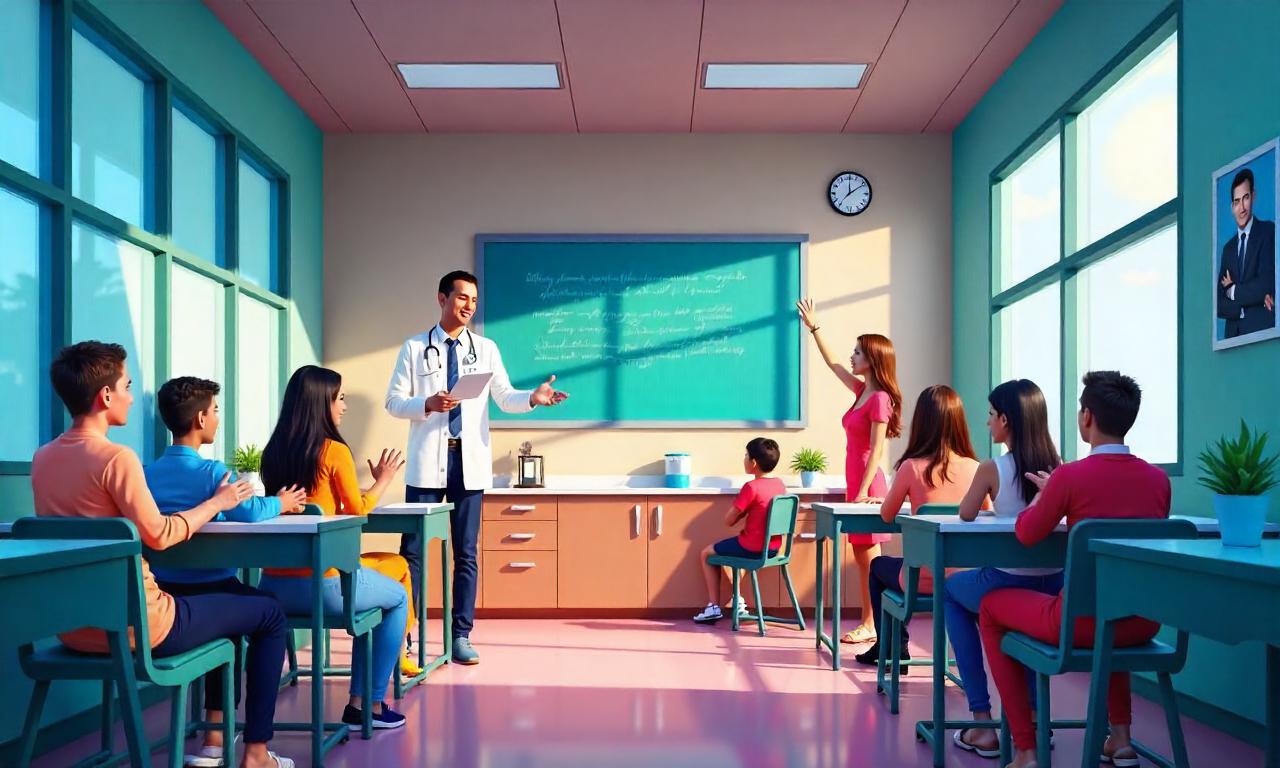
Sex education is a cornerstone of personal development, empowering students with the knowledge and skills to make informed decisions about their sexual health, relationships, and identities. Despite its importance, many schools still struggle to deliver effective sex education programs. In an era where young people are exposed to vast amounts of information through digital platforms, how to improve sex education in schools has become a critical conversation. This guide explores the significance of sex education, identifies common challenges, and outlines actionable strategies to create more inclusive, informative, and impactful programs. Whether you’re an educator, policymaker, or parent, understanding these approaches can help transform sex education into a powerful tool for shaping healthy, confident, and informed future generations.
The Importance of Comprehensive Sex Education
Why Sex Education Matters for Student Development
Sex education is not just about teaching biology or reproductive systems; it’s about fostering a holistic understanding of human sexuality, relationships, and personal health. It equips students with the tools to navigate adolescence, build self-esteem, and prevent risky behaviors. By addressing topics like consent, contraception, gender identity, and sexual orientation, schools can help students develop resilience against misinformation and healthier attitudes toward intimacy. For instance, studies show that students who receive comprehensive sex education are more likely to delay sexual activity, use protection, and have fewer unintended pregnancies.
Benefits of Effective Sex Education Programs
A well-designed sex education program offers numerous benefits. It reduces stigma around sexual health, encourages open communication, and promotes gender equality. It also helps students understand their bodies, which is essential for early detection of health issues such as sexually transmitted infections (STIs) or puberty-related concerns. Furthermore, comprehensive programs can address diverse needs, including those of LGBTQ+ students, ensuring they feel represented and supported. When schools prioritize inclusive curricula, they not only improve individual well-being but also contribute to a more informed and equitable society.
Current Gaps in Sex Education
Despite its value, sex education often falls short due to outdated curricula, limited coverage of modern issues, and cultural resistance. In many cases, programs focus only on abstinence-based education, neglecting topics like contraception, consent, and sexual diversity. This misses critical opportunities to prepare students for real-world relationships and health challenges. Additionally, teacher training is frequently inadequate, leading to inconsistent delivery of information. To how to improve sex education in schools, these gaps must be addressed through updated content, teacher development, and community engagement.
Challenges in Implementing Sex Education
Outdated Curricula and Content Gaps
One of the most significant barriers to effective sex education is outdated curricula. Many programs rely on static information that doesn’t reflect current societal norms or scientific advancements. For example, traditional teachings often emphasize moral values over scientific facts, leaving students with incomplete knowledge about topics like sexual orientation, gender identity, or digital intimacy. To how to improve sex education in schools, curricula must be modernized to include evidence-based content and address contemporary issues such as social media influence and sexual health in the context of today’s fast-paced world.
Inadequate Teacher Training and Confidence
Teachers play a vital role in delivering sex education, yet many lack the training and confidence to teach it effectively. Some educators may feel uncomfortable discussing topics like puberty or sexual diversity, which can lead to shallow or biased lessons. This lack of preparation is often due to insufficient professional development or personal beliefs about sexuality. To how to improve sex education in schools, it’s essential to provide teachers with comprehensive training that covers biological, emotional, and social aspects of sexuality. Workshops on inclusive language, cultural sensitivity, and interactive teaching methods can empower educators to create engaging and supportive learning environments.
Cultural and Religious Barriers
Cultural and religious beliefs can significantly influence how sex education is perceived and taught. In some communities, topics like premarital sex or homosexuality are taboo or controversial, leading to censorship or avoidance of these subjects. This cultural resistance often results in sex education that is incomplete or biased, failing to prepare students for diverse relationships and identities. For instance, in regions where religion plays a central role in education, lessons may prioritize moral teachings over scientific accuracy. To how to improve sex education in schools, schools must work with local communities to develop culturally responsive programs that respect traditions while incorporating modern, evidence-based information.
Accessibility and Resource Limitations
Access to quality sex education varies widely across schools, often due to resource limitations. Underfunded schools may lack qualified teachers, updated materials, or training programs. This disparity in resources can lead to unequal educational outcomes, with students in poorer regions receiving superficial or inconsistent lessons. Additionally, rural schools may struggle to integrate sex education due to geographical isolation or limited internet access. To how to improve sex education in schools, investing in resources and support systems is crucial. Governments and NGOs must provide funding, digital tools, and training programs to ensure that all students, regardless of location or socioeconomic background, receive high-quality, up-to-date education.

Strategies for Enhancing Sex Education in Schools
Updating the Curriculum to Reflect Modern Needs
A key step in how to improve sex education in schools is modernizing the curriculum to include comprehensive and inclusive topics. This means integrating science, social studies, and health into a cohesive program that covers biology, relationships, consent, and sexual health. For example, adding lessons on digital sexuality can help students understand online risks and responsibilities. Similarly, including information on LGBTQ+ identities ensures that all students feel represented. Schools should collaborate with experts in medicine, psychology, and sociology to ensure accuracy and relevance.
Training Educators to Teach Sex Education Effectively
To how to improve sex education in schools, investing in teacher training is essential. This includes workshops on inclusive teaching practices, how to address student questions, and managing classroom discussions. Educators should be equipped with resources such as activity guides, interactive tools, and guidelines for handling sensitive topics. Additionally, pairing teachers with mentors who specialize in sex education can build confidence and competence. By fostering a supportive environment for teachers, schools can ensure consistent and effective delivery of the subject.
Incorporating Interactive and Student-Centered Methods
Traditional lecture-based approaches often fail to engage students, making interactive methods a critical strategy for how to improve sex education in schools. Techniques like role-playing, group discussions, and multimedia resources can make learning more relatable and dynamic. For instance, using videos or case studies can help students visualize real-life scenarios and understand complex concepts like consent or healthy communication. Involving students in curriculum design also increases participation and retention, as they are more likely to engage with topics they find relevant.
Leveraging Technology and Digital Tools
Technology offers innovative ways to enhance sex education. Digital platforms can provide accessible and up-to-date resources, including interactive apps, online quizzes, and virtual reality simulations. For example, gamified learning can make sexual health topics more engaging, while video conferencing allows experts to reach remote schools. Schools should invest in technology infrastructure and train educators to use digital tools effectively. This blends traditional teaching with modern methods, ensuring that students receive a well-rounded education.
Measuring Knowledge and Attitudes Through Assessments
To how to improve sex education in schools, regular assessments are necessary to evaluate student understanding and attitudes toward sexuality. This includes pre- and post-program surveys, standardized tests, and classroom observations. For example, pre-tests can identify knowledge gaps, while post-tests measure improvement. Qualitative feedback from students and teachers also provides insight into program effectiveness and areas for improvement.
Gathering Feedback from Students and Teachers
Student and teacher feedback is vital to refining sex education programs. Surveys and focus groups can reveal what students find helpful or challenging, while teacher evaluations highlight practical issues in implementation. For instance, students may express discomfort with certain topics, indicating the need for more inclusive or age-appropriate content. Teachers may suggest additional resources or training modules, which can inform future improvements. By actively listening to stakeholders, schools can create more responsive and effective programs.
Long-Term Impact on Health and Well-Being
The success of sex education should be measured beyond immediate knowledge. Long-term outcomes include reduced rates of teenage pregnancy, lower STI incidence, and improved mental health. For example, programs that emphasize consent may lead to fewer cases of sexual assault, while lessons on body image can reduce anxiety and stigma. Tracking these metrics over time helps demonstrate the program's impact and justify continued investment.
Continuous Improvement and Adaptation
Sex education must evolve with societal changes. Schools should regularly update programs based on new research, student feedback, and community needs. This flexible approach ensures that programs remain relevant and address emerging issues such as social media influence or sexual health in the LGBTQ+ community. Professional development for educators and collaboration with experts are key components of continuous improvement. By adapting to new challenges, schools can maintain the effectiveness of their sex education initiatives.
Conclusion
Improving sex education in schools requires a multi-faceted approach that addresses curriculum gaps, teacher training, cultural resistance, and resource limitations. By modernizing content, empowering educators, and using interactive methods, schools can create inclusive and effective programs. The keyword "how to improve sex education in schools" encapsulates this journey, highlighting the need for comprehensive strategies to shape informed and healthy students. As societal norms continue to shift, schools must lead the way in providing up-to-date, accessible, and impactful education. Through collaboration, innovation, and commitment, the goal of how to improve sex education in schools becomes achievable, ensuring that every student receives the knowledge they need to thrive in today’s world.
