
How to Improve Child Communication Skills Development at Home
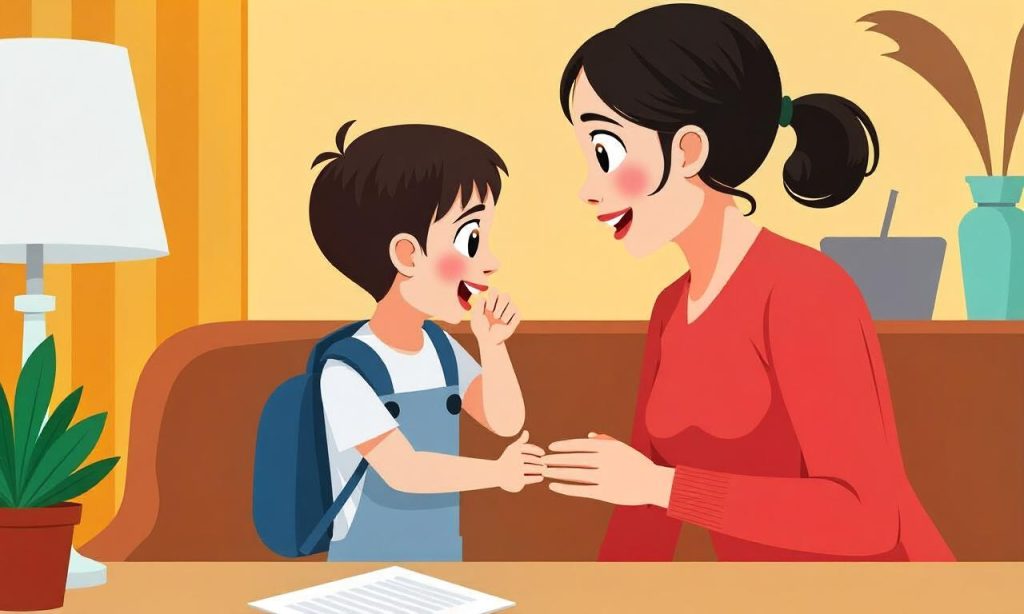
Child communication skills development is a critical aspect of a child’s overall growth, impacting their ability to express thoughts, understand others, and build social connections. Parents play a vital role in nurturing these skills through consistent, engaging interactions at home. By creating a supportive environment that encourages dialogue, listening, and expression, child communication skills development can be accelerated naturally. This article provides practical strategies to help parents foster strong communication skills in their children, ensuring they thrive in both personal and academic settings.
Creating a Conversational Environment at Home
One of the most effective ways to support child communication skills development is by making conversation a regular part of daily life. Encourage your child to engage in meaningful talks by asking open-ended questions like, “What did you learn today?” or “How did you feel when that happened?” These questions prompt more than yes-or-no responses, allowing your child to practice organizing thoughts and using descriptive language. Establishing routines such as mealtime chats or bedtime stories can also create opportunities for natural language exchange. When children feel comfortable and valued in these interactions, they are more likely to develop confidence in expressing themselves.
Encouraging Active Listening Skills
Active listening is a foundational component of child communication skills development. Teach your child to pay attention by modeling good listening habits yourself. For example, when they speak, give them your full focus without interrupting, and show that you understand by paraphrasing what they said. Incorporate activities like listening games or storytelling sessions where your child must repeat or summarize what they heard. This helps them practice auditory processing and comprehension, which are essential for effective communication. Praising their efforts to listen attentively reinforces this behavior and builds their self-esteem.
Using Reading and Storytelling to Boost Language Skills
Reading aloud to children is a powerful tool for child communication skills development. Books provide a rich source of vocabulary, sentence structure, and narrative skills, which children absorb naturally. Choose age-appropriate books and take time to discuss the characters, plot, and emotions involved. Ask questions like, “What do you think will happen next?” or “Why did the character feel that way?” This not only improves their language abilities but also enhances their imagination and empathy. Encourage your child to retell the story in their own words to reinforce comprehension and expression.
Incorporating Play into Communication Practice
Play is an engaging way to promote child communication skills development without feeling like a chore. Use role-playing games, board games, or interactive toys to create situations where your child must communicate with others. For instance, pretend play allows children to practice using language to solve problems or share ideas. Board games teach turn-taking and verbal strategies, while puzzles or building activities can spark discussions about colors, shapes, and concepts. Play also reduces pressure, making it easier for children to experiment with words and phrases. The key is to keep interactions fun and varied to maintain their interest.
Leveraging Technology for Language Learning
Technology can be a valuable aid in child communication skills development when used thoughtfully. Educational apps, videos, and interactive games provide engaging ways for children to practice language in a dynamic setting. Choose content that is age-appropriate and interactive, such as animated stories or language-learning apps that encourage speaking and listening. However, balance screen time with face-to-face interactions to ensure your child develops real-world communication abilities. Use technology to supplement, not replace, traditional methods like conversation and reading. This approach helps children stay motivated while building a strong foundation in language.
Building a Supportive Language Environment
A nurturing environment is essential for child communication skills development. Surround your child with positive reinforcement by praising their efforts to communicate, whether they’re using words, gestures, or drawings. Create a space where they feel safe to express themselves without fear of judgment. Engage in activities that require collaboration, such as cooking together or planning a trip, to encourage them to share ideas and ask questions. Consistency is key—regularly incorporating communication into daily routines helps children internalize these skills over time. Celebrate small victories to keep them encouraged and eager to learn.

Fostering child communication skills development at home requires a combination of patience, creativity, and active participation. By integrating conversation, listening, reading, play, and technology into everyday life, parents can create a holistic approach that supports their child’s growth. Each strategy contributes uniquely to building confidence, vocabulary, and social skills, ensuring children are well-prepared for future interactions. The key is to remain consistent and adaptable, adjusting methods to suit your child’s individual needs and interests. With dedication, every parent can play a pivotal role in shaping their child’s ability to communicate effectively.
FAQ Q: What are the best ways to start improving child communication skills development at home? A: Begin with simple, daily interactions like asking open-ended questions and reading aloud to encourage expression and listening.
Q: How can I help a shy child develop communication skills? A: Create a low-pressure environment by using games or storytelling to build confidence, then gradually introduce more direct conversations.
Q: Does technology hinder or help child communication skills development? A: Technology can help when used as a supplement, such as through educational apps, but balance it with real-world interactions for best results.
Q: What signs indicate a delay in child communication skills development? A: Delayed speech, difficulty understanding instructions, or reluctance to engage in conversations may signal the need for additional support.
Q: Can multilingual families still support child communication skills development? A: Yes, by using both languages consistently in daily interactions, children can develop strong communication skills across multiple languages.
