
Syria walks back Damascus alcohol ban after outcry from residents
Syria walks back Damascus alcohol ban after outcry from residents
Syrian authorities have reversed an alcohol ban in Damascus that sparked significant backlash from citizens and accusations of religious bias. The decision came after widespread criticism and demonstrations, prompting the governorate to clarify its stance.
Initial Ban and Local Complaints
Damascus issued a directive on Monday imposing a restriction on “alcoholic beverages” in restaurants and nightclubs, except for three Christian neighborhoods: Bab Touma, Qassaa, and Bab Sharqi. The move was justified by officials as a means to “eliminate practices contrary to public morals,” citing “numerous” complaints from locals.
Clarification and Apology
In response to public dissent, the governorate released a statement on Sunday that adjusted the restrictions. It allowed alcohol sales for tourism, including in hotels and designated venues, while apologizing to Christian communities. The statement acknowledged the “misunderstanding” caused by the initial decision, emphasizing that the areas were “icons of Damascus’s identity and culture.”
Context of the Transitional Government
Since assuming power in December 2024 following Assad’s fall, the transitional government under President Ahmed al-Sharaa has generally avoided imposing strict social rules. However, recent policies like the January ban on female public sector employees wearing makeup and mandatory full-body swimsuits on beaches have raised concerns about shifting toward more conservative measures.
Sectarian Concerns and Community Impact
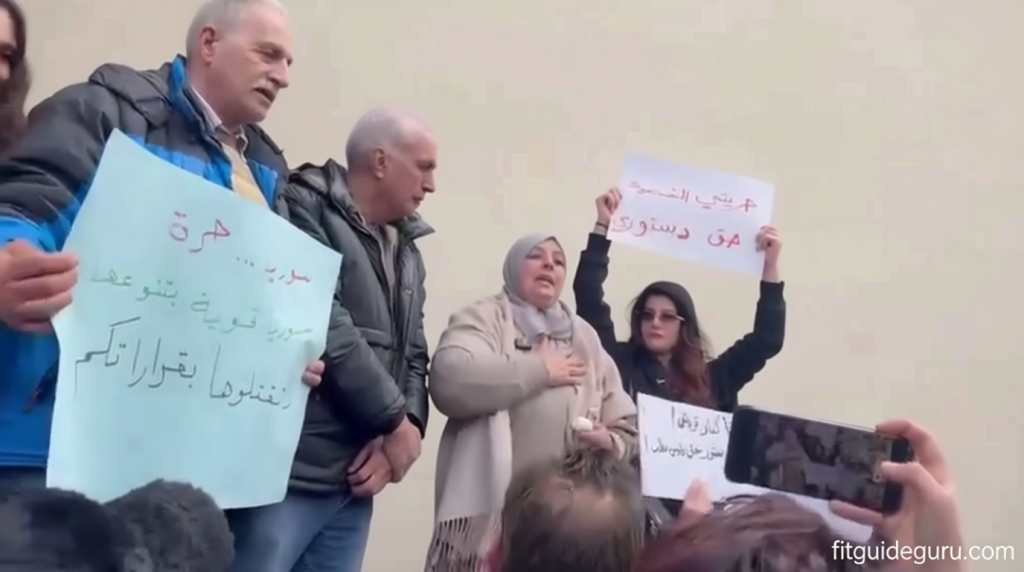
Residents, particularly in Bab Touma, protested against the alcohol restrictions, calling it “sectarian” and a threat to community unity. Demonstrators, including Muslims and Christians, highlighted the risk of making Christian areas targets for attacks, citing Syria’s history of targeting minorities. A joint letter from Christian organizations echoed these fears, urging the government to reconsider the policy to ensure “public safety without discrimination.”
Political Process and Challenges
The interim authorities face ongoing challenges in stabilizing the country, managing conflicts with Israel, and navigating relationships with former allies and adversaries. In October, parliamentary elections were held, with Sharaa appointing a third of the seats while the remaining were chosen by local committees. This process left 32 seats in the Kurdish-held northeast and Druze-majority Sweida province vacant, drawing criticism from pro-democracy advocates who had hoped for inclusive reforms.
