
‘Shooting gallery’: How a US invasion of Iranian islands might unfold
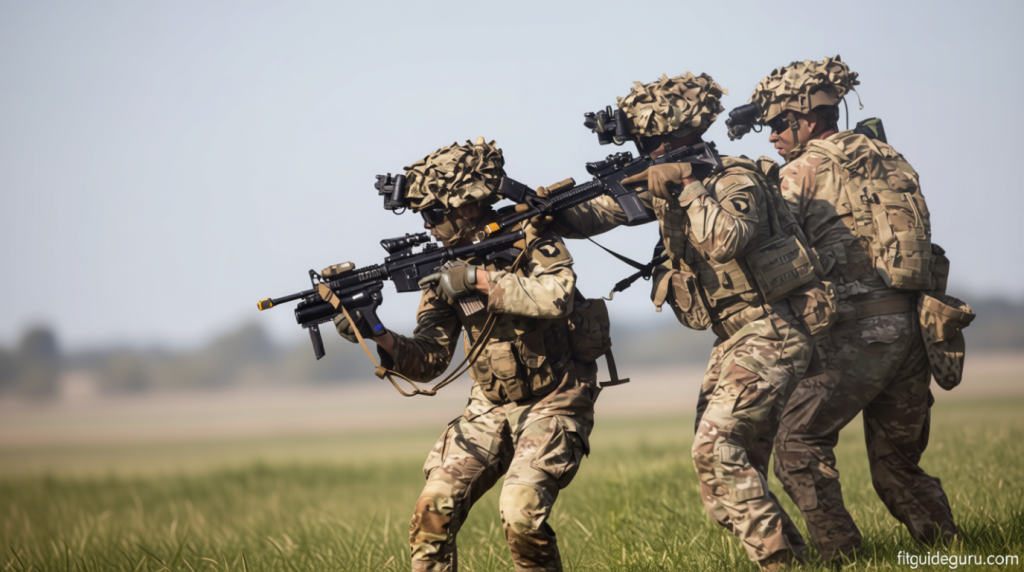
‘Shooting gallery’: How a US invasion of Iranian islands might unfold
Former US military officials and analysts warn that any effort to seize an Iranian island in the Gulf would place American forces in a precarious position, with limited logistical support and ambiguous tactical goals, according to Middle East Eye.
The operation would begin with disrupting electronic systems and radar coverage in the region, followed by a focused aerial bombardment to weaken Iranian defenses before ground engagement. Seth Krummrich, a former head of US special operations in the Middle East, explained this initial phase to MEE.
“The US must first conduct a preparation and isolation phase,” Krummrich stated, now serving as a senior executive at Global Guardian. “Electronic warfare will precede strikes aimed at dismantling Iranian military infrastructure.”
While the US may target multiple islands, only three are considered critical. Kharg, positioned near Kuwait, hosts vital oil export facilities, supplying nearly 90% of Iran’s crude. Abu Musa and its smaller counterparts, located in the Gulf’s heart, were captured by the former Iranian shah in 1971 but are claimed by the UAE, a US and Israeli ally.
Qeshm, the most challenging target, is the largest island and home to a network of tunnels used to store drones and missiles. Approximately 150,000 residents live there, just a short distance from Bandar Abbas. Iran has been redirecting ships through the Strait of Hormuz between Qeshm and Larak, its neighboring island, as part of defensive preparations.
Historical precedents and modern tactics
Historical examples like the WWII battles for Okinawa and Iwo Jima are frequently cited when discussing US island warfare. However, Daniel Davis, a retired US Army lieutenant colonel and Defense Priorities senior fellow, suggested the initial assault would likely come via air.
“There’s no way to get the USS Boxer or USS Tripoli through the Strait of Hormuz,” Davis remarked. “These amphibious ships are too exposed, so the US will rely on air insertion.”
Helicopters, including Chinook and Black Hawk models, and V-22 Osprey tilt-rotor aircraft would transport troops. Yet, Davis noted that Iranian forces could counter such moves effectively, using shoulder-launched systems, drones, and small arms.
“I’d bet on UAE-based helicopter landings,” he said. “But Iran can read a map, so they’ll be prepared.”
Recent US military deployments include two marine expeditionary units, totaling around 2,500 troops, and 3,000 paratroopers from the 82nd Airborne Division. Kalev Sepp, a former special forces officer and US Naval Postgraduate School professor, emphasized the necessity of Gulf state bases for the operation.
“The US can’t launch this without relying on bases in Saudi Arabia, the UAE, or Kuwait,” Sepp told MEE.
With Saudi Arabia and the UAE reportedly aligning more closely with US-Israeli objectives, access to airfields and logistical hubs is expanding. The UAE has publicly opposed ceasefires that leave Iran in control of the Strait of Hormuz, while Saudi Arabia has granted the US greater operational support.
