
PM embraces Brexit divisions as he seeks closer ties with Europe
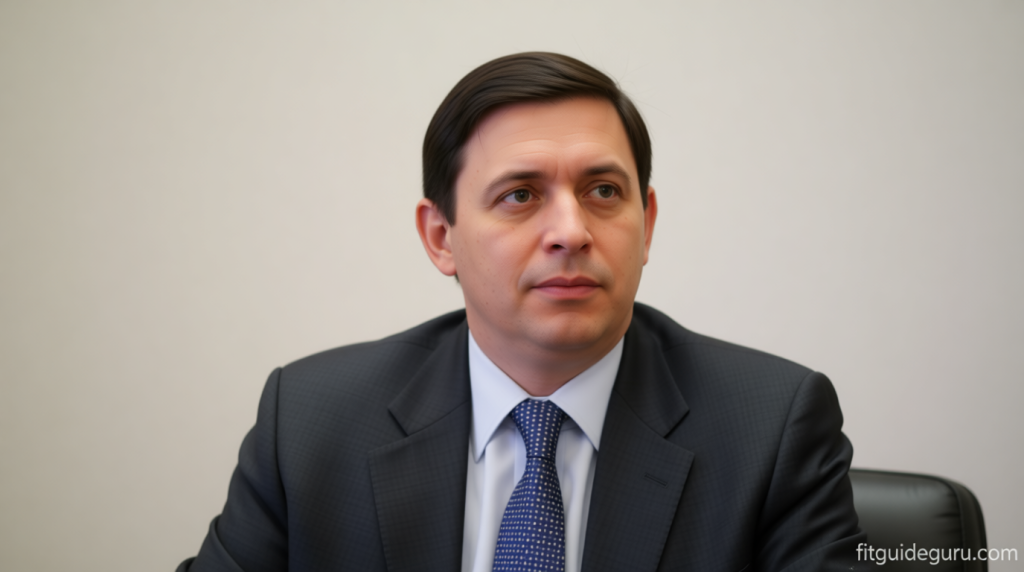
PM embraces Brexit divisions as he seeks closer ties with Europe
Labour leader’s strategy hinges on balancing sovereignty and economic ties
Prime Minister Sir Keir Starmer has repeatedly emphasized the need for a stronger connection with the European Union, a stance that has evolved since he began his leadership role. This focus on closer collaboration with Europe was a cornerstone of his 2024 general election campaign, though initially expressed in broad, vague terms. Earlier this year, the government unveiled plans to align UK standards with EU regulations in key sectors like food, carbon emissions, and energy, signaling a shift toward deeper integration.
However, the proposal introduces a contentious element: “dynamic” alignment, which implies not just adopting current EU rules but also adhering to future changes. This approach has sparked debate, particularly regarding the implications for UK sovereignty. While a parliamentary vote on the matter is set for later this year, the government may rely on secondary legislation to implement these adjustments without further legislative approval. This method, previously used by Conservative administrations to distance the UK from EU regulations, now appears central to Starmer’s strategy.
“Parliament reduced to a spectator while Brussels sets the terms,” said Andrew Griffith, the Conservatives’ shadow business secretary, criticizing the plan as a betrayal of the 2016 Brexit referendum. Reform UK’s Nigel Farage echoed this sentiment, arguing that accepting EU rules without direct input undermines the referendum’s outcome.
Starmer’s argument centers on economic pragmatism, suggesting that accepting EU standards in specific areas is justified by the benefits of stability and partnership. This reasoning has gained traction amid global uncertainty, partly attributed to the unpredictable policies of the current US administration. During a BBC Radio 5 Live interview, he stated: “We’re in a world where there’s massive conflict, great uncertainty, and I strongly believe the UK’s best interests are in a stronger, closer relationship with Europe.”
Strategic recalibration amid shifting political tides
The prime minister’s renewed focus on European integration reflects a broader realignment in Labour’s approach. His previous reluctance to champion such a stance as leader was influenced by concerns over alienating voters who had supported Brexit or sought to avoid revisiting the issue. Yet, recent polling showing declining public support for Brexit has prompted a recalibration. Additionally, the threat from progressive factions within Labour—highlighted by the Green Party’s by-election success in February—has pushed Starmer toward a more centrist position.
Sadiq Khan, London’s mayor and a potential 2028 candidate, has already called for rejoining the single market and customs union before the next election, indicating pressure for more ambitious reforms. Despite these calls, Starmer remains committed to the core framework of the post-Brexit agreement established under Theresa May, which excludes full membership of the single market or customs union. This decision leaves room for criticism from both sides of the Brexit divide, as the prime minister navigates the complexities of reconciliation and retention.
