
Tetanus is a rare but dangerous disease. A doctor explains why experts are worried
Tetanus: A Persistent Threat Despite Its Rarity
Tetanus is a rare but dangerous – Though tetanus might evoke images of medical practices from decades past, it remains a significant health concern in modern times. Health professionals are cautioning that the disease continues to pose a serious risk, particularly as vaccination rates decline. Recent findings from the U.S. Centers for Disease Control and Prevention (CDC) highlight that over 15 years, hundreds of tetanus cases and dozens of fatalities have been reported, with four pediatric cases recorded in 2024 alone. These statistics have raised alarms among experts, who fear that fewer people are being protected against this potentially fatal infection.
Understanding Tetanus and Its Origins
Dr. Leana Wen, a CNN wellness expert and former Baltimore health commissioner, explained that tetanus is caused by *Clostridium tetani*, a bacterium that produces spores found in the environment. These spores are widespread, often lurking in soil, dust, and animal waste. The infection occurs when the spores enter the body through a wound, triggering the release of a powerful toxin that targets the nervous system.
“The rust on a nail isn’t the culprit—it’s the spores that may be attached to it,” Wen said. “Any injury contaminated with dirt or debris can create a breeding ground for this bacteria. Puncture wounds, cuts, fractures, burns, and even minor scrapes are all potential entry points, especially if they aren’t cleaned thoroughly.”
Recognizing the Signs and Severity
Once the toxin takes hold, tetanus symptoms can emerge days or weeks after an injury. Initial signs often include stiffness in the jaw, neck, or back, as well as difficulty swallowing. As the disease advances, muscle rigidity spreads, leading to painful spasms that can affect the entire body. This progression can become life-threatening, as the muscles responsible for breathing may become paralyzed.
“In severe cases, patients may experience spasms that block their airway or cause dangerous fluctuations in blood pressure and heart rhythm,” Wen noted. “The autonomic nervous system, which regulates involuntary bodily functions, is particularly vulnerable. Recovery can take weeks or even months, and the mortality rate remains high without timely treatment.”
Prevention Through Vaccination
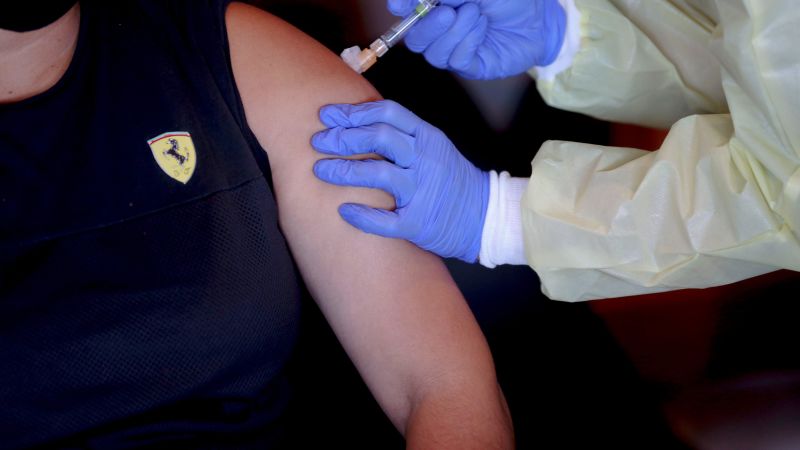
Vaccination is the most effective way to prevent tetanus. According to the American Academy of Pediatrics, children should receive five doses of a tetanus-containing vaccine as part of their regular immunization routine, starting at two months of age. Adolescents are advised to get a Tdap booster at 11 or 12, which protects against tetanus, diphtheria, and pertussis. Adults need a tetanus booster every decade, though those with severe wounds or burns should consider a dose every five years.
“If someone sustains a deep puncture, a dirty cut, or a wound with embedded debris, they should seek medical care immediately,” Wen emphasized. “A healthcare provider will assess the injury, clean the wound, and decide whether a tetanus vaccine or immune globulin is necessary for protection.”
Who Is Most Vulnerable?
Individuals who haven’t completed their tetanus vaccination series are at the highest risk. A CDC surveillance report revealed that nearly half of those diagnosed with tetanus had no prior history of the vaccine. This trend is especially concerning for children, where parental vaccination status plays a critical role. “Parents who skip immunizations for their kids may unknowingly expose them to preventable risks,” Wen said. “Even minor injuries, like a scooter-related fracture, can lead to infection if the spores aren’t addressed.”
Additionally, people in certain high-risk professions—such as construction workers or farmers—may face increased exposure to contaminated environments. The CDC also highlights that those with compromised immune systems or chronic health conditions are more susceptible to complications. “Vaccination isn’t just about individual protection; it’s about community immunity,” Wen added. “When fewer people are immunized, the risk of outbreaks rises.”
Why Vaccination Rates Matter
Experts warn that declining vaccination rates are directly linked to a higher incidence of tetanus. “Without regular boosters, immunity wanes over time,” Wen explained. “The bacteria thrive in environments where spores aren’t eliminated, and a single contaminated wound can trigger the disease.” This underscores the importance of staying up-to-date with immunizations, even for those who may not consider themselves at risk.
The CDC recommends that pregnant individuals receive a Tdap vaccine during each trimester to safeguard newborns from neonatal tetanus. This highlights the broader impact of tetanus prevention, as it not only protects individuals but also safeguards entire populations. “Vaccines are our best defense,” Wen said. “They create a barrier against this resilient pathogen, reducing the likelihood of severe illness or death.”
Call to Action for Public Health
With tetanus cases continuing to appear, even in vaccinated individuals, experts are urging a renewed focus on immunization. “Vaccines are safe, effective, and accessible,” Wen said. “It’s time to prioritize them to prevent a resurgence of this deadly disease.” By maintaining vaccination schedules and addressing gaps in coverage, the public can significantly reduce the risk of tetanus and its complications. As Wen concluded, “Every dose administered is a step toward protecting both personal and collective health.”
