
Parents are tracking their adult children for safety. But is it actually safer?
Parents Monitor Adult Children for Safety, but Does It Truly Reduce Risks?
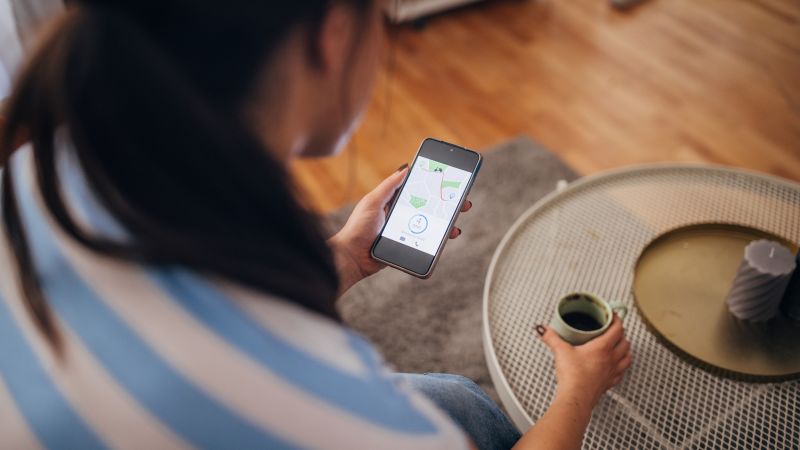
Parents are tracking their adult children – Smartphone tracking has long been a tool for parents to monitor their underage children, offering a sense of control over their movements. However, as children grow into adulthood, this practice extends beyond mere supervision. A recent survey conducted by the C.S. Mott Children’s Hospital at the University of Michigan reveals that more than half of parents now track their adult children using digital technology. Yet, this growing habit raises questions: Is it genuinely enhancing safety, or does it create new tensions?
Tracking Adult Children: A Mixed Impact
The poll, released Monday, found that nearly 25% of parents who monitor their adult children believe the practice can sometimes heighten their worries rather than alleviate them. Kara Alaimo, a CNN contributor and professor of communication at Fairleigh Dickinson University, explains that this kind of tracking can “feed and cause anxiety in parents because when you only have one data point, your brain has to fill in the rest.” She emphasizes that the act of relying on limited information often leads to assumptions, which might not always reflect reality.
“You have to make assumptions and jump to conclusions, which may or may not be accurate,” Alaimo said.
Meanwhile, 68% of parents reported using tracking to ease their own concerns, while 64% cited emergency situations as a primary reason. Only 17% mentioned ensuring their child was in a place they deemed acceptable. Despite these motivations, Sarah Clark, a research scientist at the University of Michigan and co-director of the Mott poll, argues that none of these reasons alone justify mandatory tracking of adult children.
The Balance Between Safety and Autonomy
Clark highlights the importance of open communication and clear boundaries when implementing remote monitoring. “Without these, tracking can harm parent-child relationships and hinder the development of independent thinking,” she noted. This perspective challenges the notion that constant oversight is always beneficial, suggesting that it might instead create a dependency on parental intervention.
Experts like Alaimo caution against overestimating the value of tracking in providing safety. “Just because you’re tracking someone doesn’t mean you’re understanding the situation and ready to act,” she explained. The practice, while helpful in specific scenarios like a daughter’s first date or a child’s visit to a new location, may not address deeper issues of decision-making and self-reliance.
“Teaching young adults how to make responsible decisions themselves would make them far safer,” Alaimo said.
Clark also points out that tracking adults can strain their relationship with parents, fostering a perception of distrust. “When children don’t have autonomy, it can create friction,” she observed. To avoid this, she recommends that parents initiate discussions about tracking during the transitional phase from childhood to adulthood. This dialogue, she suggests, allows families to shape the practice together rather than imposing it unilaterally.
Shifting the Focus: Early Intervention vs. Constant Surveillance
Alaimo advocates for tracking during middle and high school as a way to support young people as they begin to gain independence. “This approach provides a safety net without stifling their growth,” she said. However, she warns that extending this practice into adulthood can become counterproductive. “Once they make a decision, knowing their location isn’t always enough to fix the problem,” she added.
The survey included responses from over 1,500 parents with children aged 18 to 25. While most participants said their child was aware of the tracking, only half claimed it was optional. Clark notes that this lack of choice can be problematic. “The absence of conversation really bothers me. It wasn’t that the kids weren’t aware, but they just didn’t have a say in how tracking would look,” she said.
Empowering Young Adults: A Better Strategy
Experts agree that location tracking can be a useful tool, but it should not be the sole safety measure. “Monitoring is helpful in specific situations, but it shouldn’t replace the development of self-awareness,” Clark emphasized. She suggests empowering children to share their location with trusted friends as an alternative, fostering responsibility while maintaining a sense of security.
“By that age, we should have taught young adults to recognize when situations could become dangerous and avoid them altogether,” Alaimo said.
While tracking offers immediate reassurance, it may not equip children with the skills to navigate challenges independently. “Helicopter parenting can prevent them from learning to make informed choices,” Alaimo added. This reliance on parental oversight can undermine their confidence, making them more anxious about situations they could handle on their own.
Clark encourages parents to reflect on their own upbringing when discussing tracking with their children. “Understanding your own experiences can help you create a more balanced approach,” she said. This introspection allows families to set realistic expectations and avoid overstepping into areas where the child should take responsibility.
From Control to Collaboration
As the line between childhood and adulthood blurs, parents must consider how their tracking habits evolve. The poll underscores that while safety is a key concern, the method of achieving it matters. “Families going ‘no contact’ doesn’t always mean the end of the relationship,” Clark remarked. Instead, it can signal a shift in how parents and children interact, moving from direct control to mutual understanding.
Ultimately, the goal of tracking should be to support rather than dominate. By involving children in decisions about their privacy and safety, parents can create a sense of partnership. This approach not only strengthens trust but also prepares young adults to manage their own lives effectively. As Alaimo puts it, “The true measure of safety lies in teaching kids to think critically and act responsibly, not in knowing where they are at all times.”
