
New Ebola outbreak in remote DR Congo province kills 80
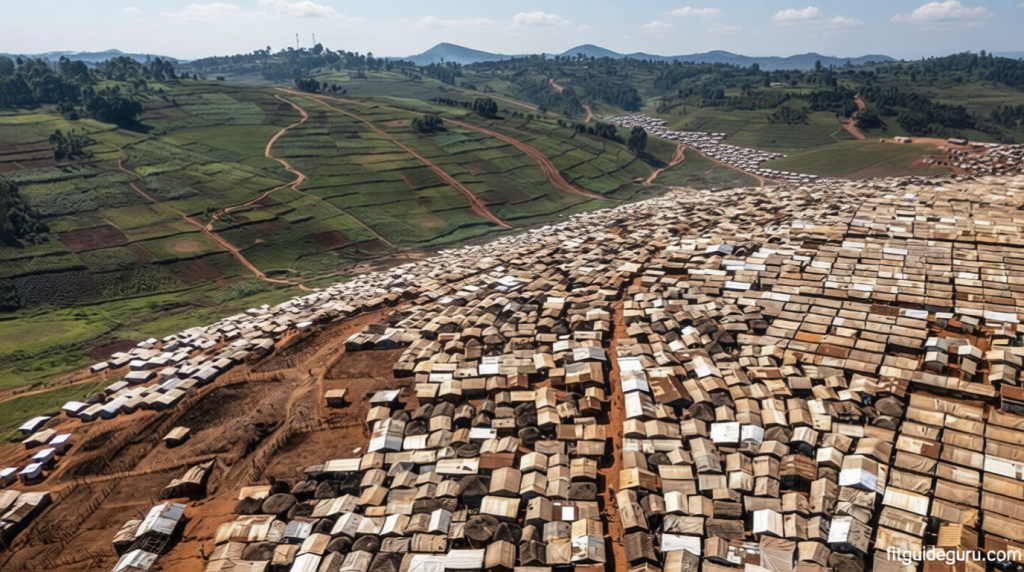
Ebola Outbreak in Remote DR Congo Province Reports 80 Fatalities
New Ebola outbreak in remote DR Congo – The Democratic Republic of Congo’s health ministry reported that 80 individuals have succumbed to a fresh Ebola outbreak in the eastern province of Ituri, according to updates issued late on Friday. This figure highlights the severity of the situation as the virus continues to spread in the region. The ministry confirmed that tests conducted on Thursday identified eight confirmed cases of the Bundibugyo strain within the health zones of Rwampara, Mongwalu, and Bunia. Additionally, 246 cases are currently under investigation, though they remain suspected at this stage.
The initial case appears to have originated from a nurse who passed away at the Evangelical Medical Centre in Bunia after displaying symptoms such as fever, hemorrhaging, vomiting, and extreme fatigue. The nurse’s death marks the starting point of the outbreak, with the DRC government swiftly responding by activating its public health emergency operations center. This move has led to enhanced monitoring of disease patterns and the deployment of specialized teams to contain the spread.
Africa’s leading public health authority, the Africa Centres for Disease Control and Prevention (Africa CDC), declared the outbreak confirmed on Friday, initially noting 65 fatalities. The agency is organizing an emergency summit with Congo, Uganda, South Sudan, and global partners to bolster collaborative efforts in cross-border disease surveillance and preparedness. While the majority of reported deaths and suspected cases have been concentrated in Mongwalu and Rwampara, four fatalities were specifically linked to laboratory-confirmed infections.
The identification of the Bundibugyo strain, distinct from the more common Zaire variant, has introduced new challenges for containment. Jean-Jacques Muyembe, a prominent Congolese virologist who co-discovered Ebola and leads the National Institute for Biomedical Research in Kinshasa, emphasized that most previous outbreaks in the country were attributed to the Zaire strain. He warned that the emergence of a new variant could hinder existing treatment and vaccination strategies, as they were primarily designed for the Zaire strain.
“Africa CDC is concerned about the risk of further spread due to the urban context of Bunia and Rwampara,” said the agency’s director general, Jean Kaseya. “The intense population movement tied to mining activities in these regions, which border Uganda and South Sudan, exacerbates the potential for rapid transmission.”
Uganda’s health ministry has also noted the impact of the outbreak, confirming the death of a Congolese man in Kampala from the Bundibugyo virus. While the case was classified as imported, no local transmission has been established yet. The World Health Organization (WHO) was informed of potential cases on May 5 and sent a team to Ituri for assessment. However, initial field samples tested negative, leading to delays in confirmation. A laboratory in Kinshasa eventually verified the presence of the virus on Thursday, resulting in 13 confirmed cases as of the latest update.
Tedros Adhanom Ghebreyesus, the WHO director-general, highlighted the agency’s financial commitment to the crisis, allocating $500,000 from its emergency contingency fund. This support aims to cover critical aspects such as disease monitoring, tracking contacts, conducting lab tests, and providing clinical care to affected individuals. The funding is a vital step in ensuring a coordinated and effective response to the outbreak.
The outbreak coincides with a worsening security situation in Ituri, where violent clashes between rival militia groups have displaced thousands of people and claimed numerous lives in recent weeks. This conflict has strained local health infrastructure, with some facilities operating at reduced capacity or becoming non-functional. Médecins Sans Frontières (MSF) has warned of dire hygiene conditions in overcrowded shelters, increasing the likelihood of disease outbreaks.
With the 17th Ebola outbreak since the virus was first identified in the region in 1976, the current situation underscores the persistent threat posed by the disease. The DRC’s most recent outbreak, which took place in Kasai province, was declared contained on December 1 after three months of active management. Out of 64 total cases during that outbreak, 45 individuals lost their lives, while 19 others recovered.
According to the Africa CDC, the Ebola virus disease remains endemic to Congo’s tropical rainforests, where it spreads through direct contact with infected bodily fluids, contaminated surfaces, or individuals who have succumbed to the illness. The current outbreak in Ituri is a stark reminder of the virus’s adaptability and the need for continuous vigilance. As the region grapples with both the health crisis and ongoing security threats, the coordinated efforts of national and international agencies will be essential in mitigating further loss of life.
