
Canadian boy, 11, dies from rabies after waking up with bat on his mouth
Canadian Boy’s Rabies Case Sparks Concern Over Silent Transmission
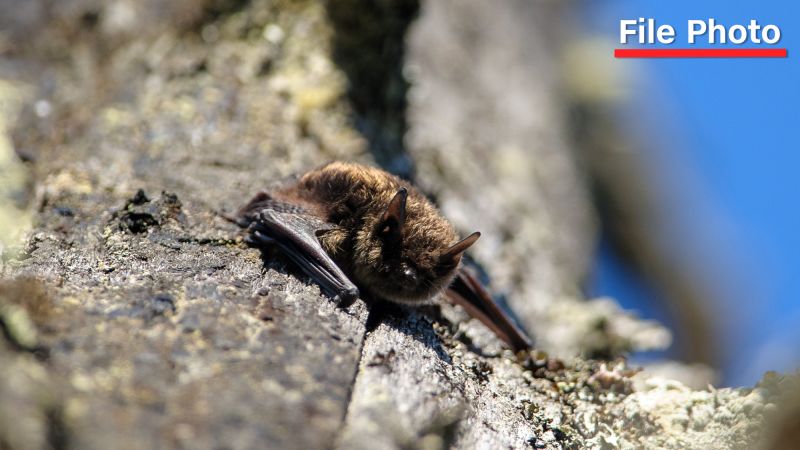
Canadian boy 11 dies from rabies – In a tragic incident that has raised awareness about rabies, an 11-year-old Canadian boy lost his life to the virus after a seemingly minor encounter with a bat. The event, which took place at a family cottage in northern Ontario in 2024, began with the boy waking up to find a bat clinging to his face. Despite the alarming situation, the boy managed to dislodge the creature by smacking it away, and his father captured the bat in a cooking pot before releasing it outside. Doctors from the University of Manitoba’s Department of Pediatrics and Child Health noted that the parents did not immediately seek medical help, as the bat appeared calm and the child showed no visible bite marks.
Rabid Bat Incident and Delayed Symptoms
The boy’s initial reaction was typical of a child startled by a small animal. However, 19 days later, he began exhibiting strange symptoms—progressive tingling and numbness on his right side, facial swelling, and a loss of appetite. These signs were initially mistaken for a common viral infection, leading his parents to consult a local urgent care clinic. There, healthcare providers prescribed antiviral medication for herpes, assuming the boy had Bell’s palsy, a condition often linked to the herpes virus.
Three days after the first symptoms appeared, the boy was rushed to a city hospital emergency department with severe pain while swallowing and episodes of vomiting. Upon examination, doctors discovered ulcers in his gums and a mild facial nerve impairment, which pointed toward a more serious condition. Despite the family’s report of the bat encounter, the medical team initially diagnosed the case as herpes gingivostomatitis, a mouth infection caused by the herpes virus. The boy was then discharged, only for his condition to worsen dramatically within 24 hours.
Progressive Illness and Critical Diagnosis
By the next morning, the boy was back at the hospital, struggling with facial weakness, reduced sensation, and slurred speech. While waiting for admission, he developed a fever, difficulty swallowing, confusion, and even visual hallucinations. His condition deteriorated rapidly by the evening, requiring placement on a ventilator and transfer to the pediatric intensive care unit (PICU). Doctors later confirmed that the boy’s symptoms were consistent with rabies, a virus that attacks the central nervous system and is nearly always fatal once it manifests.
“When we saw the patient in the PICU, we strongly suspected rabies,” the medical team stated in the report. A PCR test conducted on the fourth day of his hospitalization confirmed the diagnosis, while the Canadian Food Inspection Agency identified the specific rabies virus variant carried by the bat.
The boy’s death marked a significant event, as he became the first recorded case of locally acquired rabies in Ontario since 1967. This underscores the importance of vigilance, even when symptoms appear subtle or delayed. Rabies, though rare in Canada, remains a critical public health issue, with only 28 human cases reported in the country since 1924. The virus, typically transmitted through bites or scratches, can also spread via bodily fluids entering the eyes, nose, or mouth, according to the Canadian Veterinary Medical Association (CVMA).
Rabies: A Global Health Crisis
While rabies is uncommon in Canada, the World Health Organization (WHO) highlights its widespread impact globally. The virus is responsible for tens of thousands of deaths annually, primarily in Africa and Asia, where it is prevalent in wildlife and domestic animals. Children under 15 account for 40% of these fatalities, making early detection and intervention crucial. In the United States, the CDC notes fewer than 10 human rabies deaths per year, though the agency warns the disease “poses a serious public health threat” due to its presence in wildlife, excluding Hawaii.
Similar cases have been reported in other regions. For instance, a man in Illinois died from rabies after waking up to a bat in his room, marking the first human case in the state in nearly 70 years. This aligns with the broader trend that in the Americas, where rabies is well-controlled, bats are the primary source of infection for humans. Dogs, however, remain the leading transmitters worldwide, according to the WHO. In Canada, skunks and foxes are also known to carry the virus, as highlighted by the CVMA.
Understanding Rabies Symptoms and Transmission
Rabies symptoms can emerge anywhere from 20 to 60 days after exposure, but they may appear sooner or later depending on the virus’s strain and the individual’s immune response. Early signs often mimic flu-like illnesses, including fever, headache, or generalized weakness. As the disease progresses, patients experience difficulty swallowing, excessive salivation, muscle spasms, seizures, confusion, anxiety, and a fear of water—a classic symptom known as hydrophobia. Abnormal behavior, such as aggression or disorientation, can also occur.
The incident in Ontario serves as a reminder of how easily rabies can be overlooked. In many cases, the virus spreads silently through scratches or bites that go unnoticed, or via exposure to bodily fluids. The boy’s case demonstrates that even without visible signs, the infection can develop rapidly. The CVMA emphasizes that preventing rabies requires proactive measures, such as keeping pets indoors, avoiding contact with unfamiliar animals, and reporting wildlife that displays unusual behavior.
This tragic outcome highlights the critical need for public education about rabies. While the disease is rare in Canada, its fatality rate once symptoms appear is nearly 100%. The boy’s story, combined with other recent cases, underscores the importance of recognizing early warning signs and seeking immediate medical attention. The Canadian Medical Association Journal’s report on the incident adds to growing concerns about how rabies might be underreported or misdiagnosed in regions where it is not commonly seen.
Implications for Public Health and Prevention
The Ontario case has prompted discussions about improving rabies awareness among families and healthcare providers. Experts stress that even small animals like bats can transmit the virus, and that symptoms may not present immediately. For example, the California art teacher who died from rabies after a bat incident in her classroom illustrates how the disease can affect individuals in unexpected ways. Such cases emphasize the need for prompt post-exposure prophylaxis, especially when a bat is involved in a close encounter.
As the boy’s family recounted, the incident began with a bat on his face, which seemed like a minor event. However, the progression of symptoms over weeks revealed a hidden danger. The CVMA and CDC continue to monitor rabies cases, with the former highlighting that the virus is contracted through animal bites, scratches, or contact with mucous membranes. The latter adds that rabies is endemic in many parts of the U.S., particularly in rural areas where wildlife populations are dense.
With the Canadian boy’s death and the Illinois case, the medical community is reevaluating how to better identify and respond to rabies in humans. The lesson is clear: even a brief interaction with a bat can lead to life-threatening consequences if not properly addressed. The virus, once diagnosed, demands urgent treatment, yet its early stages can mimic less severe conditions, delaying critical intervention. This case, therefore, stands as a sobering example of the importance of vigilance and education in combating rabies, a disease that continues to threaten lives across the globe.
