
US wants help to guard Strait of Hormuz, but EU is not keen
US wants help to guard Strait of Hormuz, but EU is not keen
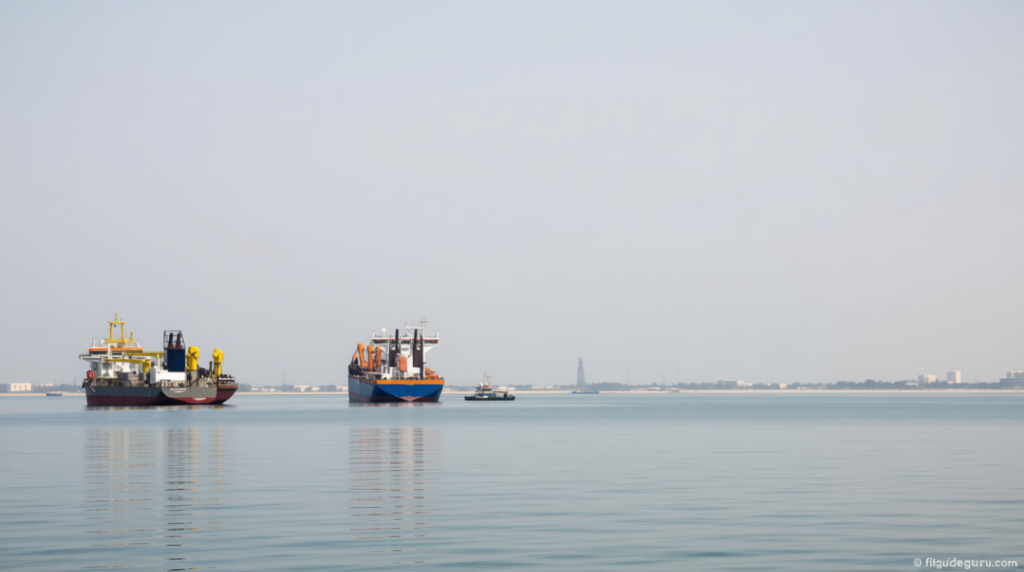
European Union foreign affairs ministers convened in Brussels this week, with a key focus on the US push for collaboration in securing the Strait of Hormuz. US President Donald Trump’s insistence on involving European allies to protect oil and gas tankers traversing the vital waterway has sparked debate. The strait, which serves as a critical route for 20% of global crude oil shipments, has been under Iranian control, prompting concerns over its vulnerability.
Russia is capitalizing on the surge in energy prices, which have strained Ukraine and its European allies. While the US seeks European support for the Strait of Hormuz, some EU nations resist expanding NATO’s role in the operation. Charles Hecker, an associate fellow at the Royal United Services Institute, noted that European countries are hesitant to commit troops, fearing they would become Iranian targets.
“Europeans are unwilling to deploy troops to secure the Strait of Hormuz, because that adds them to the list of potential targets,” Hecker explained.
EU top diplomat Kaja Kallass emphasized the bloc’s interest in keeping the strait open but highlighted a lack of enthusiasm among members to extend their maritime mission. She mentioned ongoing discussions with US counterparts, though the final stance remains cautious. The economic toll of the energy crisis has deepened the rift between Europe and Washington, with energy prices soaring and imports becoming more costly.
European Commission President Ursula von der Leyen cited the financial burden, stating that fossil fuel imports have cost taxpayers an extra €3 billion in just 10 days of the Iran conflict. “Europe is neither an oil nor a gas producer. For fossil fuels, we are completely dependent on expensive and volatile imports,” she noted.
Trump has targeted France and the UK specifically, urging them to join the effort. However, Hecker argues this is part of a broader strategy to draw Europeans into the US-Israeli conflict. “He’s doing everything he can to exercise leverage against countries he wants to bring into the war,” he remarked.
“It’s only appropriate that people who are the beneficiaries of the strait will help make sure nothing bad happens there,” Trump said in an interview with The Financial Times.
While Germany’s Foreign Minister Johann Wadephul dismissed NATO’s involvement, France showed more openness. President Emmanuel Macron suggested readiness to assist once the conflict eases. “The only winner out of the war on Iran right now is Russia,” Hecker observed, highlighting how the situation benefits Moscow through increased fossil fuel revenues.
