
Nepal: Early vote returns suggest massive political shift
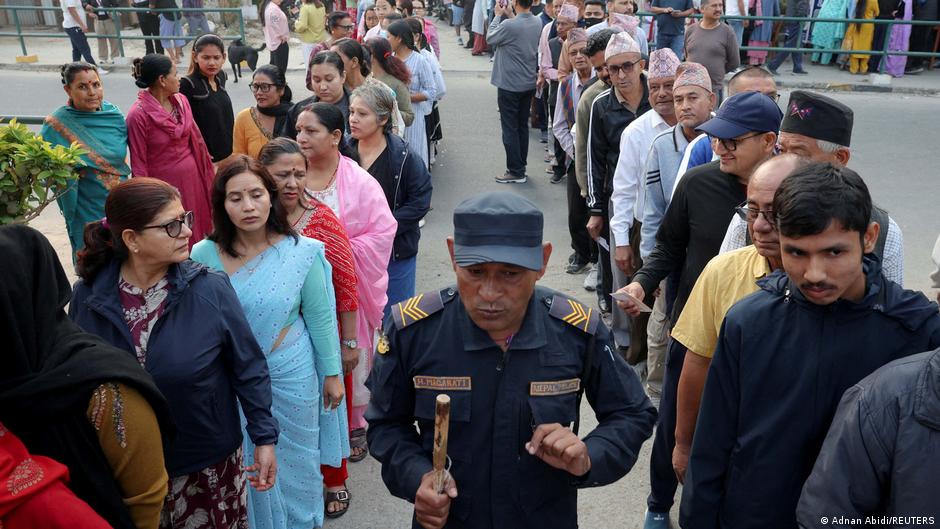
Nepal: Early Vote Returns Signal Major Political Shift
Nepali voters are increasingly turning away from traditional political parties and leaders, according to early election results. These outcomes hint at a possible breakthrough for the Rastriya Swatantra Party (RSP), a relatively new contender, as it capitalizes on widespread frustration with the status quo following youth-driven protests that demanded reform last year.
The RSP, founded in 2022, has positioned itself as a champion of transparency, digital innovation, and effective governance. Its campaign has resonated with a generation eager for change, especially after the violent clashes with authorities in September 2025 that were initially triggered by a proposed social media restriction but quickly expanded to challenge systemic corruption and economic struggles.
With 3,400 candidates competing for parliamentary seats and a 59% turnout among Nepal’s 30 million population, the election reflects a strong desire for transformation. The Election Commission reported that initial results within 24 hours of polling closure indicated RSP securing three of the 165 parliamentary seats and leading in the contest for an additional 110.
The counting process was unfolding ‘in a peaceful manner,’ according to Election Commission spokesman Prakash Nyupane.
Establishment parties, such as the Nepali Congress—the dominant force in the previous election—and the Communist Party of Nepal, led by Sharma Oli, are currently ahead in 13 and 11 races, respectively. However, if current trends persist, the RSP could claim nearly two-thirds of the 275-member parliament, signaling a major realignment in Nepal’s political landscape.
Interim Prime Minister Sushila Karki, a 73-year-old former chief justice who stepped down from retirement to temporarily assume leadership, emphasized the importance of the vote in ‘determining our future.’
Former rapper Balendra Shah, known by his stage name Balen, is emerging as a leading contender for prime minister, symbolizing the nation’s shift toward youthful leadership. In his home constituency, Jhapa-5, Shah faces off against Sharma Oli, a veteran four-time prime minister, with his current vote count nearly five times higher than Oli’s, highlighting a significant disconnect between older leaders and the electorate.
