
Africa urges restraint as US-Israel strikes escalate in Iran
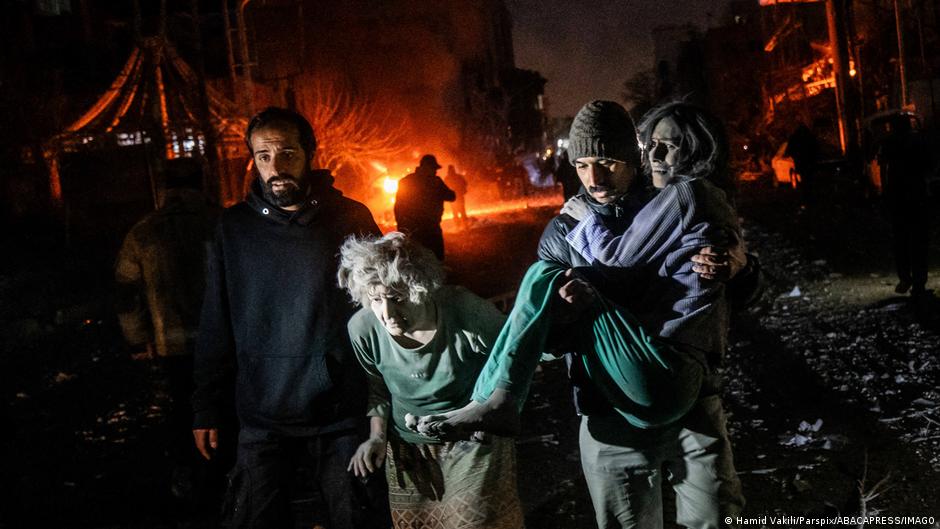
Africa urges restraint as US-Israel strikes escalate tensions in Iran
Amid escalating airstrikes by the US and Israel on Iran, African nations show a split response. While some condemn the strikes, others remain neutral, and many caution Iran against targeting major Gulf allies. Protests have broken out in several Nigerian states, including Gombe, Niger, Kano, Bauchi, Yobe, and Sokoto, after an Israeli attack killed Ayatollah Ali Khamenei, Iran’s Supreme Leader, during a joint military operation. Nigeria, home to Africa’s largest Shiite community, sees Khamenei as a spiritual figure. Despite unrest, the Nigerian government has maintained a measured approach, avoiding clear alignment with either Iran or the US-Israeli coalition.
Abuja has prioritized de-escalation and diplomacy, warning that the conflict could destabilize the broader region. Alongside Kenya, Nigeria raised concerns about the potential spread of insecurity and economic repercussions. Both nations called for renewed diplomatic efforts, urging all parties to pause military actions. This focus on economic vulnerabilities stems from Africa’s long-term exposure to oil price fluctuations. When Middle East conflicts disrupt supply chains, fuel costs rise, impacting transport, manufacturing, food systems, and household expenses.
Historically, surging oil prices have strained African economies, particularly those reliant on imports. In Ghana and Namibia, officials have expressed alarm over inflationary pressures linked to the regional crisis. Their worries reflect a wider trend: many African nations remain heavily dependent on oil, either as consumers facing price hikes or as producers whose budgets are tied to volatile energy markets. For instance, countries like Nigeria, Angola, Libya, Congo, and Gabon rely on energy revenues to fund public services. However, recent oil price surges due to Middle East tensions have sparked fears of significant economic fallout.
Oil-importing nations such as Kenya, Rwanda, South Africa, and Ghana face rising transport and commodity costs, threatening fragile incomes. Meanwhile, oil producers may benefit temporarily from higher prices, but this depends on stable output. Challenges like aging infrastructure, theft, and underinvestment in the sector could limit these gains. African leaders now stress that the continent cannot afford further conflict-driven costs, especially with recovery from global shocks like the pandemic and high borrowing rates still ongoing.
Chad’s Dual Stance Sparks Debate
Chad’s President Mahamat Idriss Deby Itno has taken an unexpected position, backing Iran’s Islamic leadership while criticizing its attacks on Gulf states. This split has drawn domestic criticism, with many arguing he unnecessarily intervened in a volatile conflict. Deby first shared support for Khamenei on social media, later condemning Iran’s strikes on allies like the UAE and Qatar. Political scientist Dr. Evariste Ngarlem Tolde noted this approach risks alienating critical partners.
“Every position is open to interpretation in such an explosive context,” Tolde warned, adding that Deby’s actions could weaken presidential communication during a sensitive period. He emphasized that Iran holds less strategic value for Chad compared to the US or Israel.
The conflict’s economic ripple effects have become a focal point for African leaders, who stress the need for UN-led diplomacy to prevent further instability. South Africa, for example, voiced deep concerns, condemning the violence and calling for sustained peace talks under international oversight. The African Union echoed these warnings, highlighting the threat to global stability and the economic security of vulnerable nations on the continent.
