
Berlinale crisis: Tricia Tuttle to stay as film festival boss after Gaza row
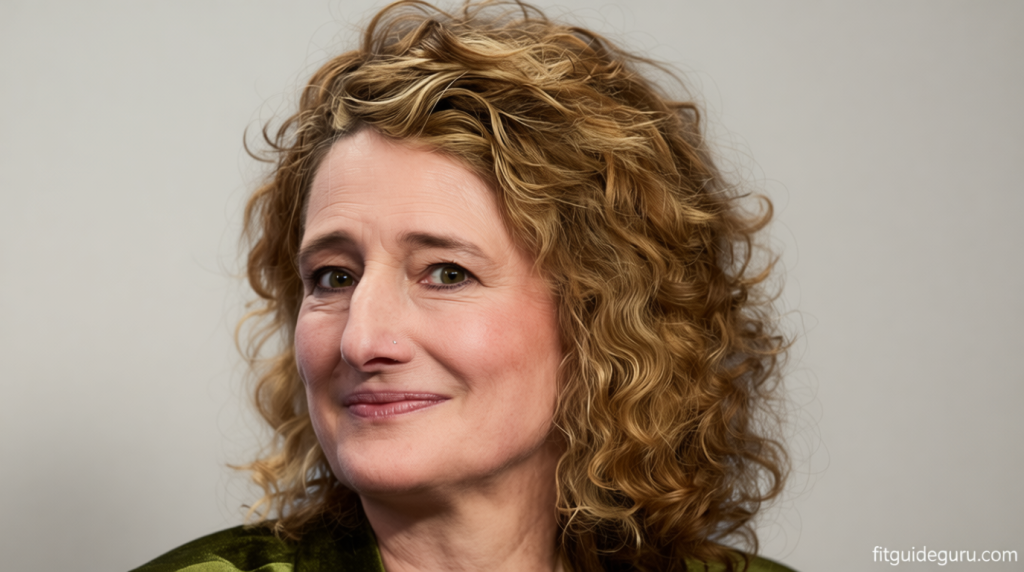
Berlinale crisis: Tricia Tuttle to remain as film festival director after Gaza row
The Berlin Film Festival has decided to retain its current director despite the controversy. Following a meeting with the supervisory board of the state-run KBB organization, the Berlinale affirmed that Tricia Tuttle would continue in her role as festival head. This comes after claims circulated in conservative media suggesting her position was at risk.
Initially, the festival’s 2026 edition faced criticism over its stance on political discourse. The situation intensified when several filmmakers used their award speeches to express pro-Palestinian views about the Gaza conflict. German Federal Environment Minister Carsten Schneider reportedly left the ceremony in protest after Palestinian director Abdallah Al-Khatib, whose film Chronicles From The Siege won a top prize, described Germany as “partners in the genocide in Gaza by Israel.” This remark highlighted the country’s strong support for Israel, a stance rooted in historical considerations.
The controversy reached a peak with accusations from right-wing journalist Gunnar Schupelius, who wrote that Tuttle had “posed for Gaza propaganda.” He referenced a photo of Tuttle with Al-Khatib and the film’s crew during its world premiere. The article claimed she had allowed the Berlinale to serve as a platform for “antisemitic” activists. However, this was met with widespread backing from the festival community and beyond.
A surge of support emerged for Tuttle, including from over 3,000 film professionals who signed an open letter. They emphasized that the Berlinale’s value “lies in its ability to hold divergent perspectives and give visibility to a plurality of voices.” Additionally, 32 global festival directors, including Cannes’ Thierry Frémaux and Toronto’s Cameron Bailey, joined in solidarity, stating they “stand in support of Tricia Tuttle’s wish to continue as Berlinale Festival Director in full trust and with institutional independence.”
In their statement, the festival directors argued that such spaces are essential for “embracing discomfort, expanding debates, propagating new ideas, and making unexpected – sometimes conflicting – perspectives visible.” The Berlinale also noted that the supervisory board’s recommendations, such as implementing a code of conduct and establishing an independent advisory forum, are now for the festival to consider and act upon.
Tuttle’s tenure as director is set to continue for another three years under her five-year contract. The decision to keep her in charge reflects a balance between addressing concerns and preserving the festival’s role as a hub for diverse voices.
