
Apple accuses OpenAI of using stolen trade secrets to create its upcoming AI gadgets in new lawsuit
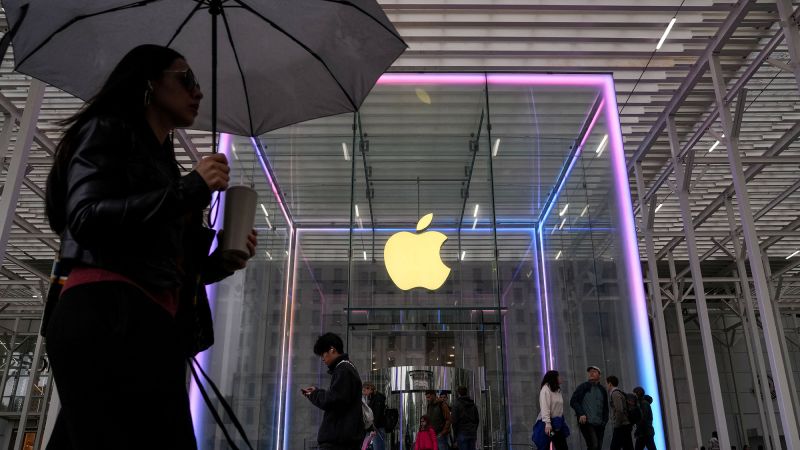
Apple Accuses OpenAI of Using Stolen Trade Secrets in New Lawsuit
Apple accuses OpenAI of using stolen – Apple accuses OpenAI of using confidential trade secrets to develop its upcoming AI hardware devices, according to a new legal filing. The tech giant initiated proceedings against the artificial intelligence company in the District Court of Northern California on Friday. The complaint outlines multiple allegations of broken agreements and unauthorized use of proprietary knowledge. This legal action represents a significant shift for both companies, which had previously announced a strategic partnership in 2024 to integrate ChatGPT into Apple’s ecosystem.
Defendants and Key Figures Named
The lawsuit targets several entities and individuals central to the alleged misconduct. OpenAI is listed as a primary defendant, alongside Tang Tan, the company’s hardware chief, and Chang Liu, a former Apple engineer. Additionally, io Products, the design firm established by Jony Ive, is included in the suit. It is important to note that while Ive founded io Products and played a pivotal role in Apple’s history, he is not personally named as a defendant, nor is he accused of any wrongdoing. OpenAI acquired io Products last year as part of its expansion into physical devices.
Apple claims that Liu and Tan were instrumental in the alleged theft of intellectual property. Liu departed Cupertino to join OpenAI in January 2026. According to the lawsuit, he failed to adequately respond to Apple’s efforts to verify that he had returned company equipment, scheduled an exit interview, and confirmed his adherence to confidentiality agreements. The suit alleges that Liu retained a work-issued laptop and subsequently accessed a former colleague’s computer after leaving the organization.
Details of the Alleged Misappropriation
The complaint provides specific details regarding the data allegedly taken by Liu. He reportedly accessed and downloaded dozens of confidential files related to Apple’s hardware. These documents included voluminous engineering presentations, technical specifications, and proprietary project data concerning unreleased products. Meanwhile, Tang Tan is accused of leveraging confidential company information during the recruitment process. Apple alleges that Tan instructed candidates to bring Apple parts with them during interviews to demonstrate their familiarity with the ecosystem.
Furthermore, the lawsuit suggests that Tan and OpenAI actively coached Apple employees on how to leave the company. Tan is also said to have emailed himself information about key supplier meetings before departing his role. Apple states that it has found evidence indicating other former employees took confidential information with them when they moved to work for OpenAI. This aggressive talent acquisition strategy is part of OpenAI’s broader effort to build a dedicated hardware division.
Impact on Future Plans and IPO
This legal battle comes at a critical time for OpenAI. The company is preparing to unveil a secretive device designed to bring smartphone users into the age of AI, a project developed in collaboration with Apple’s former design leadership. While a launch is expected later this year, the lawsuit could introduce significant delays. Moreover, the proceedings may complicate OpenAI’s plans for a massive initial public offering, which is highly anticipated by investors.
“We have no interest in other companies’ trade secrets,” said Drew Pusateri, a spokesperson for OpenAI. “We remain focused on building innovative technology that empowers people everywhere.”
Apple has emphasized its commitment to protecting its intellectual property. In a statement, the company noted that its teams are constantly developing breakthrough technologies and that safeguarding their work is a priority. Apple mentioned that it expects to pursue all available legal remedies to address these allegations fully.
