
How Cracker Barrel saved itself
Cracker Barrel’s Comeback: Rebranding and Recovery
How Cracker Barrel saved itself has become a compelling story of resilience in the fast-evolving restaurant industry. After facing a period of uncertainty that saw CEO Julie Felss Masino reflect on being “fired by America,” the Southern dining chain has now demonstrated a strong recovery. With revenue growth reported in its latest quarter and a year-to-date stock surge of over 100%, Cracker Barrel’s strategic shifts have begun to rekindle interest in its brand. This turnaround highlights the importance of balancing modernization with nostalgia to maintain customer loyalty and relevance in a competitive market.
A Bold Rebranding and Its Aftermath
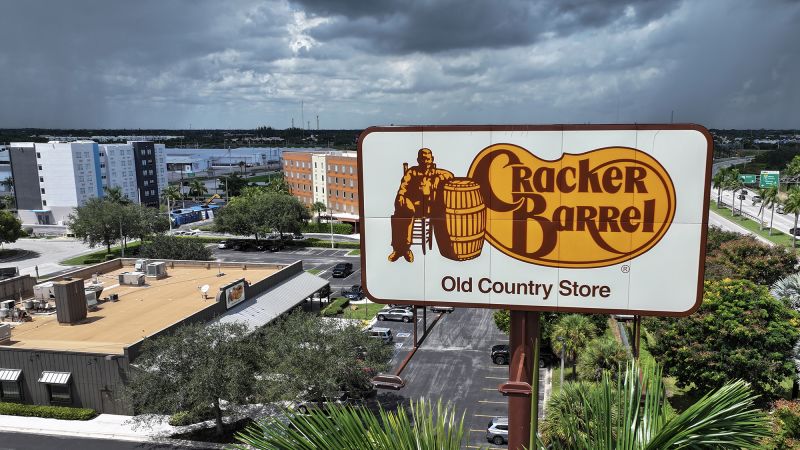
Cracker Barrel’s journey toward recovery began with a significant rebranding initiative that initially sparked controversy. Last summer, Masino unveiled a redesigned logo and updated restaurant aesthetics, replacing the classic dark wood finishes with a lighter, contemporary style. The changes also included removing the iconic souvenir-lined walls, signaling a broader effort to revitalize the 56-year-old chain. While the goal was to modernize the brand, the departure from its traditional Southern charm left some customers feeling disconnected, leading to a 12% dip in shares and a notable decline in foot traffic.
“Cracker Barrel’s brand has a legacy and reputation that is powerful,” said Robert Byrne, senior director of consumer research at Technomic. “When you try to modernize it, it becomes a thorny issue for a lot of consumers.”
The rebranding effort, while well-intentioned, unintentionally placed the chain in the cultural spotlight. President Donald Trump’s comments on the aesthetic shift amplified the debate over the brand’s direction. Critics argued that the new design diluted the “old timer” character, a beloved mascot since 1977, and replaced it with a more progressive, less traditional look. This backlash underscored the delicate balance between innovation and preserving a brand’s heritage.
Reconnecting with Core Values
Recognizing the mixed reactions, Masino realigned the brand with its core identity. Rather than persisting with aesthetic updates, she refocused Cracker Barrel on its Southern roots, emphasizing comfort food and Americana-themed merchandise. This strategy appears to have resonated with customers, as the latest financial report showed stronger revenue than expected. The company also revised its annual outlook, indicating a more optimistic trajectory for future growth.
One of the key drivers of this revival has been the menu’s return to customer favorites. Masino reintroduced value meals priced under $10, featuring staples like country ham, fried catfish, and carrot cake. By rehiring a former executive with expertise in menu strategy, she ensured consistency in quality and offerings. Additionally, limited-time items such as foil-wrapped Campfire Meals tapped into the brand’s nostalgic appeal, helping to bridge the gap between tradition and contemporary tastes.
“What we didn’t see in the data was the way people see themselves in the logo,” Masino told conservative radio host Glenn Beck in a November interview. “When the ‘old timer’ and the barrel were gone, it felt like we had removed elements that were central to the brand’s identity.”
Her admission of the emotional bond customers had with the old logo and mascot marked a pivotal moment. By restoring the “old timer” character and integrating more traditional Southern elements into the design, Cracker Barrel regained a sense of familiarity. This move, paired with a renewed emphasis on Americana-themed products, has helped rebuild trust and attract both longtime patrons and new demographics.
Expanding the Loyalty Program and Strategic Investments
Cracker Barrel’s recovery strategy also included strengthening its loyalty program, which now boasts nearly 12 million members and contributes over 40% of total sales. This growth reflects the success of customer engagement initiatives in driving repeat visits and fostering brand advocacy. In addition to this, the company redesigned its gift shops to highlight American-themed merchandise, timed with the nation’s 250th anniversary. Masino framed this as a way to “proudly celebrate America and patriotism,” reinforcing the brand’s cultural ties and appeal.
Despite the positive momentum, challenges persist. The chain reported a 6.7% decline in visits during the most recent quarter, though CFO Craig Pommells noted this was a “gradual improvement” compared to earlier months. The company remains cautiously optimistic, with its efforts to blend modern convenience with Southern tradition gradually yielding results. As Cracker Barrel continues to navigate this transition, its ability to balance innovation with heritage will be critical to sustaining its resurgence and securing its place in the evolving restaurant landscape.
