
Turkey blocks American LGBTQ+ cruise from docking, citing ‘moral standards’
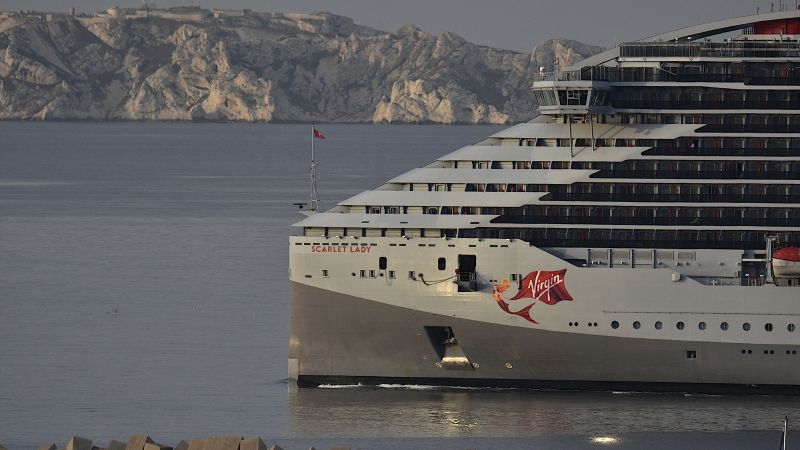
Turkey Blocks American LGBTQ+ Cruise, Citing ‘Moral Standards’
Turkey blocks American LGBTQ cruise – Turkish officials have prohibited a cruise ship serving American LGBTQ+ tourists from docking at their ports, asserting that the vessel’s presence contradicts the nation’s “moral standards” and “family values.” This decision came after the CEO of Atlantis Events, the company behind the upcoming Mediterranean tour, confirmed the change in Thursday’s statement. The “Athens to Venice” cruise, scheduled to depart from Greece on July 5, was originally planned to stop in the bustling port of Kuşadası, Turkey, before continuing to Istanbul. However, the Turkish authorities have now canceled the event, citing concerns over the cruise’s charter by groups they label as promoting behaviors “incompatible with the fabric of our society.”
Cruise Details and Itinerary Shift
The Scarlet Lady, a vessel operated by Virgin Voyages—a cruise line backed by Richard Branson—is set to host over 1,000 passengers from the United States on this 10-day journey. The ship’s itinerary was initially designed to include stops in Turkey’s Aegean region, where Kuşadası’s vibrant coastal setting and cultural attractions are expected to draw a significant number of visitors. However, with the cancellation of Turkish ports, the cruise will now make its way to Cairo, Egypt, and the Greek island of Crete instead. This adjustment means the Mediterranean tour will no longer pass through Istanbul, a city renowned for its historical landmarks and diverse cultural scene.
CEO’s Response and Broader Implications
Rich Campbell, the president and CEO of Atlantis Events, expressed dismay over the decision, calling it “pretty stunning” and highlighting the “reasoning behind it” as being rooted in the cruise’s association with the LGBTQ+ community. “It’s very concerning to me when a country decides they can pick and choose which tourists are allowed in and which are not,” he added, emphasizing the impact on inclusivity. Campbell noted that this marks the first time in 36 years the company has been “actively told we may not berth here because of who we are,” signaling a shift in how Turkey is handling LGBTQ+ tourism.
According to Campbell, approximately 1,100 of the 1,900 expected guests on the voyage are American, with the remainder hailing from the United Kingdom, Canada, and Australia. The cruise is marketed as an “epic adventure” that offers travelers the opportunity to explore sun-drenched islands and iconic Mediterranean destinations. Despite these attractions, the decision to exclude Turkey has sparked questions about the country’s openness to LGBTQ+ visitors, particularly during Pride Month.
Political Context and Past Policies
Turkey’s opposition to LGBTQ+ tourism is not a new development. Over the past decade, Turkish President Tayyip Erdogan’s AK Party has increasingly framed LGBTQ+ issues as threats to traditional values. This has led to the prohibition of Pride marches in Istanbul since 2015, with authorities citing public safety and security as justifications. The latest cruise ban appears to align with this trend, reinforcing the government’s stance on maintaining conservative social norms.
Additionally, the decision has drawn attention to the broader political climate in Turkey. The country has seen a rise in rhetoric targeting LGBTQ+ individuals, often linking their identities to moral and cultural decline. Critics argue that such measures disproportionately affect the community, limiting their ability to travel freely and participate in cultural events. The Atlantis cruise, while not a political organization, has become a symbol of this growing intolerance, as its organizers stress their commitment to respecting all cultures and traditions.
Incident in Istanbul Sparks Controversy
Officials in Istanbul have also raised the issue of a recent police raid on a bar following the publication of an “Atlantis brochure” that featured a party at the establishment. Campbell clarified that the brochure in question was not affiliated with his company, emphasizing that Atlantis aims to be a neutral platform for travelers. “We are not there for anything except to spend money, have a good time, take tours, and be incredibly respectful to every culture we visit,” he reiterated, underscoring the company’s focus on tourism rather than political activism.
The incident in Istanbul highlights the tension between Turkish authorities and LGBTQ+ spaces, even beyond the official ban on Pride events. While the brochure itself was a promotional material, its inclusion of a local bar has been interpreted as a challenge to the government’s values. This further complicates the cruise’s situation, as it underscores the environment in which such travelers operate. The Scarlet Lady’s visit to Turkey had been anticipated as a significant opportunity to showcase the country’s tourism potential to an international audience, but the cancellation now leaves a void in the itinerary.
Global Reactions and Next Steps
Atlantis Events has already informed passengers of the itinerary change, attributing it to “circumstances beyond our control.” The company’s decision to exclude Turkey has raised eyebrows among international travel experts, who note the potential ripple effects on LGBTQ+ tourism in the region. As the cruise sails toward Cairo and Crete, the incident may serve as a reminder of the challenges faced by LGBTQ+ travelers in countries with conservative policies.
Meanwhile, the Turkish Ministry of Culture and Tourism, along with the country’s embassy in Washington, has been contacted by CNN for comment. While no official statements have been released yet, the cruise line’s stance suggests that the government is taking a firm position on the issue. Virgin Voyages, the operator of the Scarlet Lady, has also been sought for clarification, as its brand is often associated with progressive values and diverse passenger experiences.
Historical and Cultural Significance of the Destinations
Although the cruise will no longer visit Turkey, the revised itinerary includes destinations with rich histories and cultural diversity. Cairo, for example, is a hub of ancient architecture and vibrant modern life, offering a unique blend of experiences. Crete, on the other hand, is known for its archaeological sites and coastal beauty, providing an alternative route for travelers seeking the Mediterranean’s charm. These changes, while necessary, have sparked discussions about how such decisions affect the global perception of Turkey as a tourist destination.
Campbell’s comments have also drawn comparisons to the political climate in the United States, where LGBTQ+ rights have seen both advancements and setbacks under various administrations. The current situation in Turkey mirrors the challenges faced by other nations that have implemented similar restrictions, raising questions about the role of international tourism in promoting cultural exchange and understanding. For Atlantis Events, the shift in ports represents not just a logistical adjustment but a symbolic statement about the barriers faced by LGBTQ+ travelers.
As the Scarlet Lady sets sail, the incident underscores the delicate balance between tourism and political ideology. While the cruise line remains committed to its mission of creating memorable experiences, the cancellation of Turkish stops highlights the growing influence of moral standards in shaping travel opportunities. The broader implications of this decision may extend beyond the immediate voyage, affecting future plans for LGBTQ+ tourism in the region and prompting a reevaluation of how inclusive the Mediterranean is for all travelers.
With the Mediterranean cruise now rerouted, the focus shifts to the remaining stops, which will be highlighted as a celebration of diversity and culture. The revised itinerary aims to provide an equally compelling experience, even as it bypasses Turkey’s current stance on LGBTQ+ inclusion. This change, while significant, reflects the adaptability of the travel industry in response to evolving social and political landscapes.
