
Fort Collins, Colorado: The real happiest place on Earth?
Fort Collins, Colorado: The real happiest place on Earth?
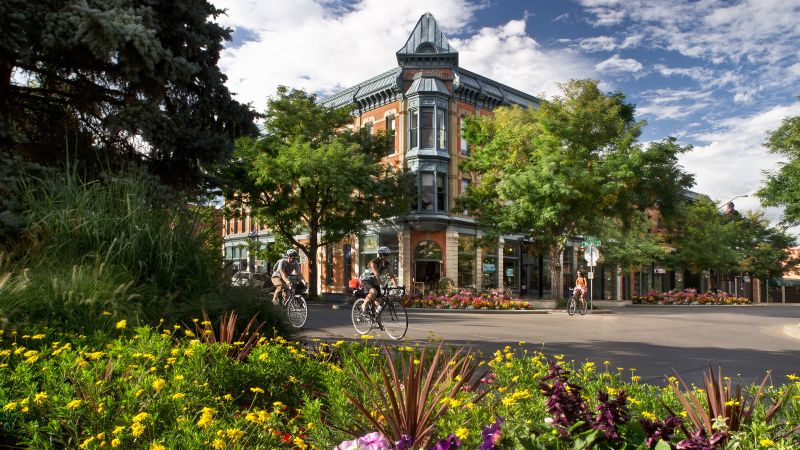
Fort Collins Colorado – Fort Collins, Colorado, holds a special place in the annals of American small-town charm. It is one of only two towns credited with inspiring the iconic 1900s nostalgia of Disneyland’s Main Street USA. This connection stems from Harper Goff, a native of the city who played a pivotal role in shaping the theme park’s design. Goff’s hometown became the blueprint for the whimsical, picturesque streets and structures that now define the park’s aesthetic.
A Nostalgic Blueprint
Walking through Fort Collins’ Old Town Square today, one can almost feel the echoes of Goff’s vision. The pedestrian-only area, once a quiet hub of community life, now features vibrant murals, child-created sidewalk pavers, and playful sculptures that blend the old with the new. Spring evenings in the square are a spectacle: couples ride horses beneath twinkling lights, children play in designated spaces, and locals and tourists alike frequent the eclectic mix of shops and cafes. “The town feels a bit more polished and serene,” remarked Alex Morgan, owner of Totally ‘80s Pizza, “with a sense of calm that makes everything feel a little brighter and safer.”
Community-Driven Magic
While Fort Collins retains its nostalgic roots, it has also embraced a modern, collaborative spirit. Local businesses actively curate events that foster shared experiences, creating a sense of unity among residents and visitors. This approach mirrors the entrepreneurial creativity that defined Walt Disney’s own ventures. Ginger Graham, co-owner of Ginger and Baker, highlighted the town’s unique character: “It’s a place where people genuinely care about each other, and the community is full of energy and generosity.” Her own story reflects this, as she and her husband, Jack, a former NFL player, relocated to Fort Collins 14 years ago when he took on the role of athletic director at Colorado State University, his alma mater.
The past two decades have transformed Fort Collins into a dynamic destination. A population surge, fueled by thriving industries such as craft breweries, tech startups, and legalized marijuana, has brought new vitality to the city. This growth has also increased tourism, allowing the town to maintain its historical charm while adapting to contemporary tastes. Unlike Walt’s childhood town of Marceline, Missouri, which inspired the original Main Street USA, Fort Collins has evolved into a hub of innovation without losing its small-town soul.
Historical Layers and Modern Amenities
Fort Collins’ rich history is preserved in its Heritage Courtyard, where log cabins from the 1800s stand as testaments to the town’s origins as a supply stop along the Overland Trail. These cabins, once vital to the expansion of the West, now offer glimpses into the lives of homesteaders who shaped the region. Nearby, the 1904 Carnegie Library stands as a proud symbol of the city’s cultural heritage, its architecture blending with the surrounding landscape.
Historical charm coexists with modern convenience in places like the Armstrong Hotel, a 1923 landmark that retains its vintage allure. The hotel’s rooms are adorned with classic decor, dark accent walls, and wood floors that evoke a bygone era. The lobby, however, feels distinctly contemporary, featuring portraits of local celebrities such as Jon Heder from “Napoleon Dynamite” and Temple Grandin, a renowned animal husbandry expert. Guests can explore the town on free bikes, a nod to Fort Collins’ reputation as one of the most bike-friendly cities in the U.S.
A Taste of Nostalgia and Innovation
For those seeking a blend of retro and forward-thinking, Ace Gillett’s Cocktail Lounge, nestled in the Armstrong Hotel’s basement, offers a timeless experience. Since the hotel’s opening, the lounge has been a fixture, its dim lighting and intimate ambiance drawing patrons for a curated selection of drinks. The bar, a large marble centerpiece, serves unique concoctions like the sweet, lime-green Japanese Drifter cocktail, which combines gin, Midori, and yuzu ume liquor. The menu notes that $4 of each drink’s price supports a local food bank, adding a layer of social responsibility to the experience.
The same spirit of creativity extends to the city’s dining scene. Totally ‘80s Pizza, a cafe-meets-museum, channels the nostalgic vibes of “Back to the Future Part II.” Inside, the walls are packed with memorabilia, and the space is alive with the sounds of an expansive mix tape featuring music videos, commercials, and sitcom themes. “We’ve got the largest collection of ‘80s items in the world,” the menu proudly claims, ensuring that every visit feels like a journey through the decade’s pop culture.
Transporting Through Time
Fort Collins’ connection to the past is further emphasized by the Fort Collins Trolley, a restored 1919 electric car that operates seasonally. During the summer months, the trolley shuttles passengers two miles between Old Town and City Park, offering a retro experience while connecting the community. Its journey isn’t just physical—it’s a nostalgic trip back to an earlier time, yet it also hints at the city’s forward-looking aspirations.
Whether you’re hiking a local peak in the Rocky Mountains, browsing historical artifacts in the Heritage Courtyard, or sipping a cocktail at Ace Gillett’s, Fort Collins manages to balance tradition with progress. The town’s ability to retain its roots while embracing modernity has made it a standout example of how small communities can thrive in the 21st century. As Ben Mozer, founder of the Lyric cinema, noted, “The vibe shifted from Flanders to something more eccentric—like a place where the past and future collide.” This duality defines Fort Collins, ensuring that its magic endures as a living, breathing testament to American small-town life.
