
JetBlue pilot reports hitting drone at JFK International Airport same day helicopter reports near collision with model plane
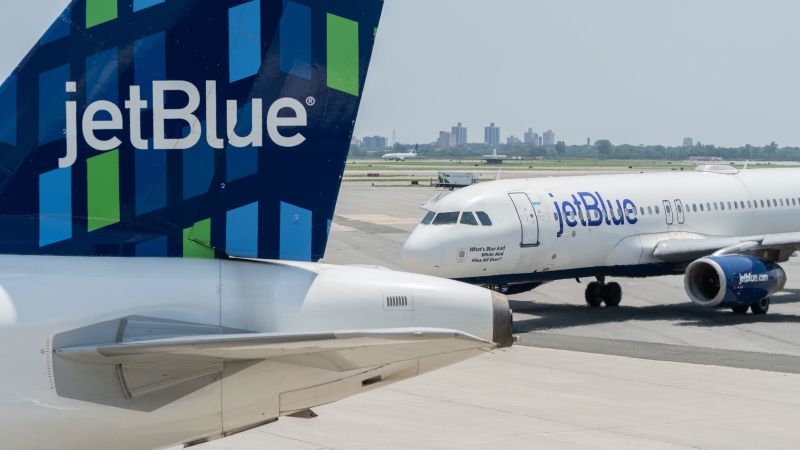
JetBlue Pilot Reports Drone Collision at JFK Airport on Same Day as Helicopter Incident
JetBlue pilot reports hitting drone at JFK – On June 29, 2026, a JetBlue Airways pilot confirmed a collision with a drone while landing at John F. Kennedy International Airport, marking a notable event in recent aviation safety records. This incident occurred in tandem with a separate report from a helicopter pilot who described a near-miss with a model airplane, according to the Federal Aviation Administration. Both incidents highlight the growing concern over unmanned aerial devices disrupting air traffic, especially in busy airspace near major airports.
JetBlue Flight 948’s Drone Encounter
JetBlue Flight 948, en route from Las Vegas to New York, experienced the collision approximately 3,000 feet above ground level during its approach to JFK’s runway at 7:15 a.m. local time. In an audio exchange with air traffic control, the pilot relayed the event after announcing, “We are clear to land, 13 left.” The pilot then added, “We collided with a drone back there in the turn,” confirming the collision. The FAA’s statement noted the pilot’s account as the primary source of the incident.
“Did you say you collided?” the controller asked. “The pilot responded, “Yep, it hit us right above the cockpit.”
The Airbus A321 landed safely at 7:21 a.m., with no major damage reported. Flight tracking data from Flightradar24 placed the aircraft 10 to 12 miles north of Sea Bright at the time of impact. While the FAA emphasized the incident’s immediate impact, they also highlighted the need for enhanced safety protocols to address such occurrences.
Helicopter Near-Miss with Model Airplane
Later the same day, a Bell 407 helicopter pilot from JFK to Manhattan reported a close call with a model airplane near Floyd Bennett Field. The FAA confirmed this second incident, noting its separate nature from the JetBlue collision. “Almost ran into a giant RC airplane over at Floyd Bennett,” the pilot said, describing the event. The model aircraft, flying at 500 feet, posed a potential hazard to the helicopter’s altitude.
Floyd Bennett Field, a historic aviation site now under the National Park Service, is a popular location for model aircraft enthusiasts. The FAA’s tracking data indicated the helicopter was at 300 feet during the encounter, prompting local authorities to review airspace management practices. This incident adds to the ongoing discussions about drone and model plane activity in crowded airspace.
FAA’s Response and Safety Measures
The Federal Aviation Administration is investigating the JetBlue drone collision, which could be the first confirmed case of a commercial aircraft striking a drone in the U.S. This event underscores the risks associated with unregulated drone flights, particularly near high-traffic areas. The FAA has reiterated its efforts to monitor drone activity, urging operators to adhere to guidelines and report sightings promptly.
While the FAA records around 100 drone sightings monthly, many incidents are classified as near misses or misidentified objects. However, the recent occurrences—such as the JetBlue collision and the helicopter near-miss—have intensified calls for stricter enforcement. A United Airlines pilot previously reported a similar incident at Newark Liberty, demonstrating the recurring nature of these threats.
Drone Regulations and Enforcement Gaps
Regulations for drone operations now include a 100-foot altitude restriction near runways and mandatory registration for all operators. Despite these rules, enforcement challenges persist, with unauthorized flights still causing disruptions. Penalties for violations range up to $27,500, and repeat offenders may face criminal charges, including jail time.
During the 2026 World Cup, drones were temporarily restricted in 11 host cities to prevent collisions with aircraft. The FBI seized 500 drones in those areas for operating in prohibited zones, showcasing proactive measures to safeguard high-profile events. As drones grow in popularity, aviation experts stress the importance of balancing innovation with safety, especially in areas like JFK where commercial and general aviation coexist.
