
Federal judge blocks state bans on buying soda and candy with food stamps
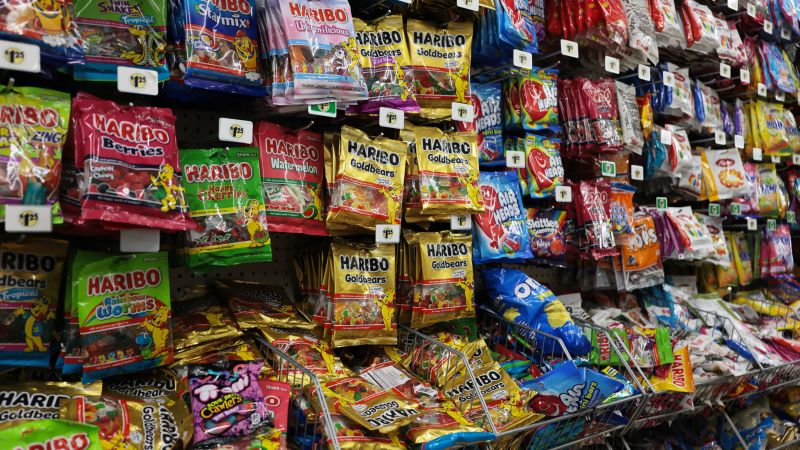
Federal Judge Blocks State Bans on Soda and Candy Purchases with Food Stamps
Federal judge blocks state bans on buying – On Monday, a federal judge issued a ruling that prevented the Trump administration from allowing five states to implement bans on purchasing sugary drinks and candy through the Supplemental Nutrition Assistance Program (SNAP), commonly known as food stamps. The decision represents a significant legal challenge to the initiative, which sought to reshape dietary habits among low-income families by restricting access to ultra-processed foods. The judge, Amy Berman Jackson of the District of Columbia, emphasized that the USDA’s authority to approve such restrictions was not sufficient to justify the changes, leaving the future of the policy in question.
The movement, spearheaded by Health and Human Services Secretary Robert F. Kennedy Jr., is part of his broader “Make America Healthy Again” campaign. This initiative aims to combat chronic illnesses like obesity and diabetes by promoting healthier food choices. To achieve this, Kennedy has collaborated with Agriculture Secretary Brooke Rollins, who authorized waivers for nearly two dozen states to modify the definition of eligible food under SNAP. The judge’s ruling, however, halts the implementation of these waivers in specific pilot programs across Colorado, Iowa, Nebraska, Tennessee, and West Virginia.
While the bans have not fully taken effect in all states, they have already imposed limits on certain products. Each state’s restrictions vary slightly, but all include a prohibition on sugary beverages such as soda and energy drinks. Some jurisdictions also restrict the purchase of candy, creating a patchwork of rules that apply uniformly to all SNAP recipients. This approach, critics argue, undermines the program’s core purpose of providing essential nutrition to those in need. The judge’s ruling clarifies that the USDA cannot unilaterally alter the program’s guidelines without proper legal justification.
The case was brought by five individuals enrolled in SNAP, who claimed the restrictions would harm their ability to maintain health. They argued that certain sugary drinks are necessary for managing medical conditions like Type 1 diabetes and kidney disease, while others provide critical energy for daily activities. These plaintiffs asserted that the bans create barriers to accessing affordable, practical food options. In her ruling, Judge Jackson acknowledged the potential benefits of encouraging healthier choices but stressed that the states and federal agencies must adhere to existing regulations.
“Although the states and federal defendants may genuinely seek to enhance the health of SNAP participants, they cannot circumvent the law in the process,” Jackson wrote in the court document. The judge pointed out that the USDA’s authority to approve pilot projects focuses on evaluating program efficiency, not on improving recipients’ health outcomes. This distinction is crucial, as it limits the scope of policy changes under the current framework. The ruling reaffirms that any modifications to SNAP’s food guidelines must follow established procedures and have clear legislative backing.
The decision has sparked mixed reactions. Supporters of the initiative argue that the policy aligns with broader public health goals, while opponents highlight the potential consequences for vulnerable populations. Katharine Deabler-Meadows, a senior attorney at the National Center for Law and Economic Justice, praised the ruling as a victory for SNAP’s integrity. “This decision makes clear that the USDA cannot bypass the legal guardrails that define how SNAP operates nationally,” she stated. “It affirms that families deserve a program that functions without ambiguity.”
Brooke Rollins, who has championed the waivers, remains committed to the effort despite the setback. The Agriculture Secretary has previously defended the policy as a step toward making SNAP more aligned with nutritional standards. However, the judge’s ruling complicates this argument, as it questions whether the USDA’s current authority supports such sweeping changes. The case underscores the tension between state-level experimentation and federal oversight, a debate that has shaped SNAP’s evolution over the years.
SNAP, established in 1964, provides monthly benefits to millions of Americans to purchase groceries. The program’s flexibility has allowed states to tailor their food assistance policies to local needs, but this case challenges the extent of that flexibility. The judge’s emphasis on legal authority highlights the importance of adhering to the original intent of the program. While the movement to restrict sugary foods gained traction during the Trump administration, the ruling signals that such efforts require more robust justification before they can proceed.
Experts have noted that the decision could influence future attempts to reshape SNAP. The case serves as a reminder that altering the program’s guidelines requires navigating complex regulatory frameworks. For the states involved, the ruling means they must either seek additional legal approvals or revert to the previous rules. Meanwhile, advocates for the policy argue that the restrictions should be reconsidered, pointing to the growing prevalence of diet-related health issues among SNAP recipients.
The controversy surrounding the bans reflects a broader national discussion about the role of food assistance in promoting health. Proponents claim that limiting access to ultra-processed items can lead to long-term benefits, such as reducing obesity rates and improving dietary habits. Critics, however, warn that the policy could inadvertently force families into difficult choices, particularly those with limited access to healthier alternatives. The judge’s ruling balances these perspectives by maintaining SNAP’s foundational principles while allowing for further debate on its potential revisions.
As the legal battle continues, the outcome may determine how food stamp policies evolve in the coming years. The ruling reinforces the importance of transparency and adherence to established rules, ensuring that any changes to the program are based on sound legislative authority. With the USDA and HHS still seeking comment on the decision, the path forward for the state bans remains uncertain. For now, SNAP participants can continue purchasing soda and candy without restriction, preserving the program’s role as a vital lifeline for millions of families across the country.
The case also raises questions about the effectiveness of pilot programs in shaping national policy. While the five states’ waivers were intended to test new approaches, the judge’s analysis suggests that the USDA’s current authority does not extend to making such changes on a large scale. This finding may encourage lawmakers to explore legislative options that provide clearer pathways for reforming SNAP. Ultimately, the decision ensures that the program’s structure is preserved, allowing for future discussions on health-focused adjustments to be made within the bounds of the law.
