
Quarantine comes to an end for the last of the hantavirus ship passengers in Nebraska
Quarantine Comes to an End for the Last of the Hantavirus Ship Passengers in Nebraska
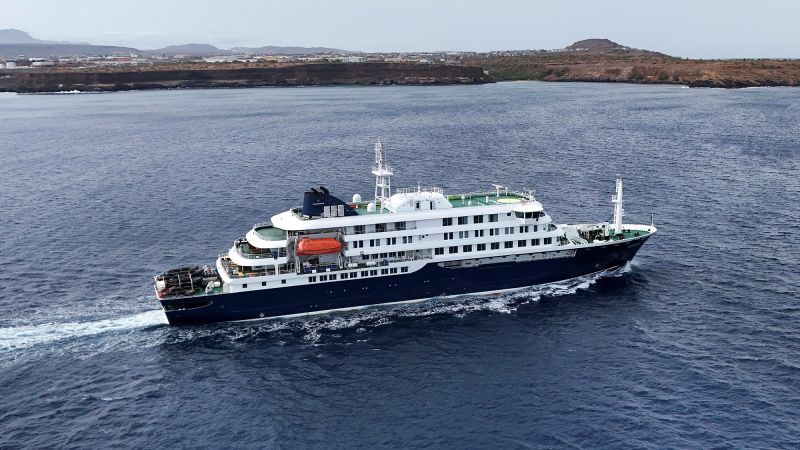
Quarantine comes to an end – The final eight American passengers who spent 42 days in a specialized quarantine facility following a hantavirus outbreak on a cruise ship have departed from a Nebraska hospital. U.S. Department of Health and Human Services officials announced Monday that the monitoring period for these individuals has concluded. The quarantine was initiated after the ship, the MV Hondius, docked in the Netherlands, where health authorities identified cases of the virus that had claimed three lives, including a Dutch couple who reportedly became infected while traveling in South America.
The Global Evacuation and Quarantine Efforts
Over 120 passengers were evacuated from the MV Hondius in Spain’s Canary Islands last month. Among them, 18 Americans were transported to the National Quarantine Unit in Omaha, Nebraska, for further observation. However, not all evacuees arrived at the same time. At least 30 passengers had already left the ship before the outbreak was officially documented, including seven Americans who opted to monitor their health at home. This decision was based on the assessment that symptoms of hantavirus could take up to 42 days to manifest, though some health officials later questioned its necessity.
Health officials, clad in full protective gear, coordinated the evacuation, ensuring that those at risk were isolated. The remaining passengers on the ship included 25 Americans, with about seven disembarking earlier in April. The full evacuation to Omaha occurred on May 11, followed by the arrival of two additional Americans a few days later. This marked the culmination of a global response to the outbreak, which involved not only the U.S. but also international health organizations and local authorities in the Netherlands.
Quarantine Order Controversy
One of the American passengers, Angela Perryman, became a focal point of the quarantine dispute. She was held against her will despite the recommendations of a government medical expert. Perryman recounted her experience in an interview on Monday, stating that passengers were informed the quarantine monitoring period would end at 2 p.m. on Sunday. She boarded a flight that evening, while others left the facility on Monday. “We were locked in our rooms until 1:55. And at 2 o’clock, ‘OK, well, everybody walk out and go home,’” Perryman said, speaking from her Florida home. She expressed relief at finally departing, though the decision to keep her in quarantine for the full duration sparked debate.
The controversial order led to seven of the remaining patients staying voluntarily, while Perryman’s case highlighted the tension between public health mandates and individual rights. The U.S. government covered the costs of the passengers’ flights, ensuring they could return to their homes without financial strain. This aspect of the response underscored the logistical efforts required to manage the situation, even as concerns about the virus’s transmission dynamics emerged.
Life in the Quarantine Unit
Life in the Omaha quarantine facility was designed to maintain both comfort and safety. The rooms, resembling hotel accommodations, featured desks, televisions, internet access, and exercise equipment to help passengers cope with the extended stay. Local restaurants and food trucks collaborated to provide meals, while nurses occasionally ventured out to deliver favorite drinks, such as Starbucks, to keep spirits high. These gestures, though small, aimed to alleviate the psychological toll of isolation.
The quarantine experience was a mix of routine and anticipation. Jake Rosmarin, one of the passengers, shared his journey on Monday morning with a video showing him leaving the center with two suitcases and a backpack, turning off the lights as he exited. His post captured the emotional significance of the moment, as did the broader narrative of the passengers’ resilience. Despite the strict protocols, the facility maintained a level of normalcy, with regular deliveries of food and entertainment to keep occupants engaged.
The Hantavirus and Its Spread
Hantaviruses typically transmit through inhalation of contaminated rodent droppings, but the strain responsible for the outbreak, the Andes virus, has a unique ability to spread between humans in rare cases. This characteristic made the situation more complex, as health officials had to consider both environmental and interpersonal transmission routes. The outbreak’s origin in South America, where the Dutch couple were believed to have first contracted the virus, added another layer to the investigation.
While most passengers and crew remained asymptomatic, the virus’s potential for person-to-person spread raised alarms. The total number of cases among those on the ship reached 13, with three fatalities. The death toll, though small, underscored the severity of the outbreak and the importance of strict quarantine measures. Health officials emphasized that the 42-day monitoring period was precautionary, based on previous outbreaks where symptoms could appear as late as that timeframe.
Global Impact and Ongoing Monitoring
As the quarantine for the last American passengers concluded, the World Health Organization remained silent on the status of other quarantined individuals worldwide. The outbreak’s ripple effect extended beyond the MV Hondius, with at least 25 crew members and two medical staff also required to isolate. While the U.S. government took decisive action to evacuate its citizens, the broader international response varied, with some regions implementing stringent measures and others adopting a more lenient approach.
Experts continue to study the Andes virus to better understand its transmission patterns and potential for future outbreaks. The case of Angela Perryman, who spent six weeks in quarantine, serves as a reminder of the personal sacrifices involved in public health crises. Her experience, along with the stories of the other passengers, has sparked discussions about balancing safety protocols with individual freedoms, especially when the risk is deemed low but the duration is prolonged.
Legacy of the Quarantine
The conclusion of the quarantine marks a pivotal moment in the ongoing hantavirus saga. While the immediate threat has subsided, the incident has left a lasting impression on both the passengers and the global health community. The $750,000 allocated by the U.S. to evacuate one of the affected individuals from a remote island highlighted the financial commitment required to address such situations. This investment, combined with the coordinated efforts of federal, state, and local agencies, ensured that the quarantine process was thorough and humane.
As the passengers return to their lives, the episode will likely be studied for its lessons in pandemic response and international collaboration. The MV Hondius’s journey through the South Atlantic, from its initial departure to the outbreak and subsequent quarantine, stands as a case study in how quickly health threats can escalate. For the eight Americans who finally left Nebraska, the end of their isolation symbolizes not just relief, but a successful containment effort that prioritized both science and compassion.
Conclusion and Future Implications
The final chapter of the hantavirus outbreak on the MV Hondius has been written, but the story of its impact continues. The 42-day quarantine for the last American passengers, while lengthy, was deemed necessary to ensure no risk of further spread. As the World Health Organization and other agencies assess the global implications of the outbreak, the experiences of those involved will shape future strategies for handling similar health emergencies. The balance between public health mandates and personal liberties remains a critical discussion, particularly in cases where the virus’s behavior defies expectations.
For the passengers, the ordeal has been a mix of inconvenience and vigilance. Their willingness to comply with quarantine protocols, even when questioned, reflects the collective effort to safeguard communities. The logistical support from Omaha’s local businesses and the care provided by medical staff have also been praised for their role in maintaining morale during isolation. As the virus recedes, its shadow will linger, reminding all of the importance of preparedness and adaptability in the face of health crises.
