
Flowers under pillows and naked rituals: What really happens at Swedish Midsummer
The Essence of Swedish Midsummer
Flowers under pillows and naked rituals – Sweden’s Midsummer celebration is a vibrant festival that captures the spirit of summer in a way few other traditions do. Rooted in ancient pagan rituals, it has evolved into a cherished cultural event, blending folklore with modern festivity. While the festival is widely recognized, its unique blend of customs, from floral adornments to spirited dances, sets it apart. This year, the solstice fell on June 19, marking the start of Midsummer Eve—a time when the line between the natural and mystical worlds blurs, inviting participants to embrace the magic of the season.
A Celebration of Tradition and Joy
Midsummer is more than just a holiday; it’s a communal experience that unites Swedes in a shared rhythm of joy and tradition. The festivities often begin with the raising of a maypole, a central ritual that dates back centuries. This pole, adorned with birch leaves and wildflowers, becomes the focal point of dancing and singing, with participants weaving around it in a circle. The music, typically folk tunes, sets the pace for a day of revelry, blending nostalgia with contemporary flair.
Before the maypole dance, the traditional Midsummer meal takes center stage. Known as a “smorgasbord,” this feast features pickled herring, dill-seasoned potatoes, smoked salmon, cheese quiches, and a decadent dessert of strawberries and whipped cream. The meal is accompanied by shots of snaps, a strong spirit made from distilled alcohol and flavored with herbs or spices. These drinks are often consumed while singing songs that have been passed down through generations, creating a festive atmosphere that is as much about togetherness as it is about indulgence.
One of the most iconic elements of Midsummer is the “frog dance,” a quirky routine that has become a symbol of the festival’s whimsy. As explained by Hollywood actress Alicia Vikander in a viral YouTube clip, the dance involves leaping around in a playful manner while waving hands above the head and below the waist. “Everybody between the ages of five and 95 in Sweden knows this dance and does it every year,” she remarked in her appearance on Jimmy Kimmel’s show. The dance, though seemingly absurd, reflects the playful and enduring nature of Swedish traditions.
Ancient Roots and Folklore
Midsummer’s origins stretch back to the Norse pagan era, when the solstice was seen as a sacred time. The ancient Scandinavians believed that during this period, the boundary between the physical and spiritual realms grew thin, allowing for a deeper connection to nature. This belief is still evident today, as the festival is steeped in rituals that honor the earth and its cycles. The maypole, for instance, is not just a decorative feature but a representation of the sun’s power, with its height symbolizing the sun’s journey through the sky.
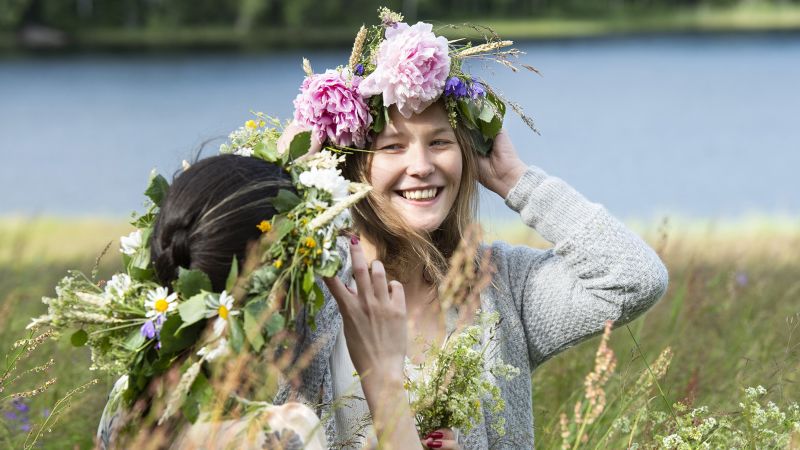
One of the most fascinating traditions is the practice of placing wildflowers under one’s pillow on Midsummer night. Swedes have long believed this act could reveal the identity of their future spouse, a custom that persists in many households. Similarly, wearing a flower wreath in one’s hair is a symbol of fertility and renewal, a practice that dates to the medieval period. These wreaths, often made from dried flowers, were also used to infuse the Christmas bath, ensuring the family’s health during the long, cold winter months.
Another ritual, the tradition of walking barefoot in the dewy grass on Midsummer morning, underscores the deep connection to nature. Some even take it a step further by rolling around naked, a gesture meant to welcome the sun’s warmth and ensure vitality for the year ahead. These customs, though simple, carry layers of meaning, reflecting the Swedes’ reverence for the natural world and their belief in the solstice’s transformative energy.
Skansen: A Living Museum of Summer Festivities
Nestled in Stockholm, Skansen is the world’s oldest open-air museum and a vibrant hub for Midsummer celebrations. Here, the festival is not just a spectacle but a living embodiment of Sweden’s heritage. On Midsummer’s Eve, the museum transforms into a hub of activity, with wreath-making workshops and a bustling market offering handmade crafts and seasonal treats. The festivities kick off mid-morning, as crowds gather to witness the ceremonial raising of the maypole, a moment that draws both locals and visitors alike.
At 11 a.m., the maypole is raised, and the dance begins, led by folk dancers in colorful, region-specific costumes. These performances, accompanied by fiddlers and harpists, are a highlight for many. The festival also features a variety of games and activities, ensuring that all ages can participate. For international guests, the event is particularly welcoming, as the museum hosts the program in both Swedish and English. This multilingual approach ensures that even those unfamiliar with the local language can join in the celebration.
While the maypole dance is a central attraction, the evening dance offers a different kind of magic. These performances, often more elaborate, hark back to the traditional public dances of the past. Whether dancing around the maypole or watching the folk musicians, visitors are immersed in a world where history and modernity intertwine. Skansen’s dedication to preserving these customs makes it a must-visit destination for anyone curious about Sweden’s cultural soul.
Midsummer Beyond the Museum
Though Skansen provides an idealized glimpse into Midsummer’s traditions, the festival is deeply embedded in everyday Swedish life. Many families spend the day at their summer houses, or “sommargästhus,” which are often passed down through generations. These retreats, scattered across forests and lakes, become temporary villages of celebration, filled with laughter, music, and shared stories. The communal aspect of Midsummer is perhaps its most enduring feature, as it brings people together to honor the season’s fleeting beauty.
For those who can’t visit Skansen, the festivities take place in local towns and villages. The maypole is raised in the early hours, often accompanied by the sound of flutes and drums. The dance routines, while similar to those at Skansen, may vary slightly depending on the region, reflecting the diversity of Swedish culture. The Midsummer market, with its array of fresh produce and artisanal goods, is a feast for the senses, and the food is often prepared with the same care and enthusiasm as the rituals.
The festival’s significance extends beyond its entertainment value. It serves as a reminder of the Swedes’ connection to the land and their collective memory of ancient practices. Even as modern elements have crept into the celebrations, the core of Midsummer remains rooted in tradition, a testament to the resilience of cultural heritage. Whether through the dramatic frog dance or the quiet act of placing flowers under a pillow, Swedes continue to find meaning in the solstice, celebrating it as a time of renewal, joy, and community.
With its blend of history, nature, and human connection, Midsummer is more than just a holiday—it’s a cultural phenomenon that defines the Swedish summer. From the first light of the solstice to the last notes of folk music, the festival offers a unique window into a nation’s soul, where the past and present coexist in a dance as old as the earth itself.
