
Want to save money at the grocery store? It’s harder than you think
Want to save money at the grocery store? It’s harder than you think
Want to save money at the grocery – Grocery stores function as micro-economies, reflecting broader market trends. While overall inflation has reached 4.2% in the past year, food prices have only climbed 2.7%, which seems relatively modest. However, this figure hides complexities, as not all items are affected equally. High gas prices, for instance, have not yet permeated every aisle, leaving some essentials relatively stable. The ongoing conflict between the United States and Iran has significantly impacted the supply chain, leading to increased shipping costs for perishable items.
Produce Aisle: A Battle for Value
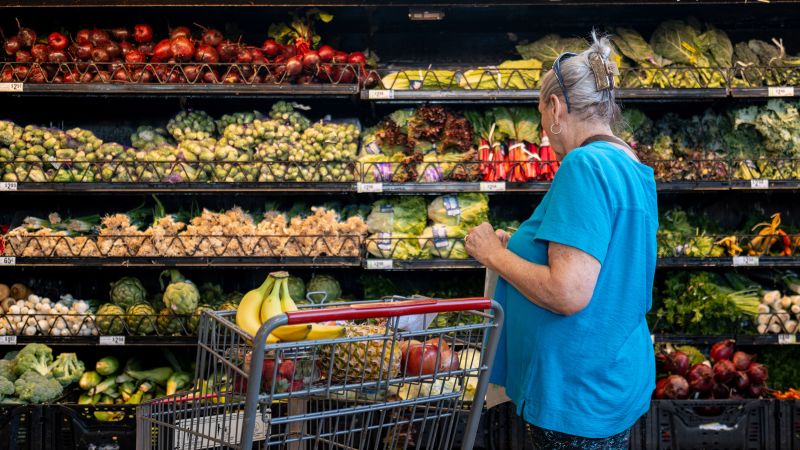
Fresh produce remains a focal point of price changes, with fruits and vegetables showing varying degrees of fluctuation. For example, apples have surged by 5.6% due to rising diesel costs, as many are imported during this season. Citrus fruits, like oranges, have climbed 6.1% over the past year, driven by the citrus greening disease affecting Florida and Brazil. Fresh vegetables face even steeper increases, with a 11.9% rise attributed to extreme weather conditions. Tomatoes, though technically fruits, have seen a 32% spike in prices, caused by a combination of record cold winters, excessive rainfall, and trade barriers. Similarly, lettuce has risen 24.9% for the same reasons. In contrast, potatoes and bananas have become more affordable, dropping by 0.6% and 1.2% respectively, thanks to bountiful harvests in Idaho and Costa Rica.
Buy potatoes and bananas.
Canned Goods: A Mixed Bag
While fresh produce dominates the conversation, canned items also show price shifts. Canned fruits and vegetables have risen by 5.2% over the year, with fruits alone accounting for a 7.1% increase. This is largely due to production challenges and transportation costs. However, frozen alternatives offer a more stable option, with prices increasing by just 2.1%. Frozen produce retains its nutritional value through flash-freezing, making it a healthier and often cheaper choice. Shoppers can capitalize on this by prioritizing frozen items over their fresh counterparts, especially when facing higher prices for certain staples.
Coffee: A Brewing Crisis
For those relying on coffee for their morning routine, the cost has jumped 17.5% over the last year. This spike is tied to global supply chain disruptions, including tariffs and climate-related issues such as erratic weather patterns. While making coffee at home might seem like a budget-friendly solution, the price of coffee beans has risen, making the convenience of pre-packaged options less appealing. Tea, on the other hand, has seen a more moderate 1.4% increase, making it a smarter alternative for those seeking a daily caffeine fix without the hefty price tag.
Choose tea instead.
Meat and Protein: Price Volatility
When it comes to meat, the situation is equally challenging. Beef prices have risen 12.9%, driven by a decline in cattle herds, prolonged droughts in the Southern United States, and the cost of feed. Even frozen fish, often considered a cost-effective option, has climbed 7.5%, outpacing the 6.5% increase in fresh fish. For grilling enthusiasts, switching to pork could be a better bet, as it has only increased by 2.6% over the year. Chicken, which saw a significant drop after a severe avian flu outbreak, has stabilized at a 0.6% decrease, though it’s still slightly below last year’s levels.
Breakfast Essentials: Egg Prices Drop
One of the few bright spots in the grocery market is the decline in egg prices. After a devastating avian flu crisis last year, the cost has fallen by 35.2%, offering relief to households. However, other breakfast staples like bacon have only risen 1%, and cereal prices have climbed 1.2%. These items remain less vulnerable to diesel cost fluctuations because they can be stored for long periods, reducing the need for frequent transportation. This stability makes them less affected by the same inflationary pressures that drive up prices for perishable goods.
Sweets and Desserts: A Sweet Struggle
For those with a sweet tooth, the price of candy has increased by 9.3%, with chocolate being a major contributor. This rise is linked to tariffs and climate change, which have disrupted production and distribution. Frozen desserts, such as pies and tarts, present a more budget-friendly option, with prices rising just 0.2%. These items are often more affordable because they require fewer logistical steps and can be stored for extended periods. While the cost of sweets may seem daunting, strategic choices like opting for frozen desserts can help curb expenses without sacrificing flavor.
Avoid sweets — not just for your health but because of your wallet.
Strategies for Shoppers: Navigating the Market
With grocery prices fluctuating across categories, understanding the underlying factors can help shoppers make informed decisions. While some items like potatoes and bananas offer value, others such as tomatoes and lettuce demand more attention. Canned goods, though slightly more expensive, are a reliable alternative to fresh produce. Similarly, frozen items provide a balance of affordability and nutrition, making them a versatile choice. For protein, pork and eggs have shown better price performance compared to beef and chicken. Finally, choosing frozen desserts over traditional sweets can save money while satisfying cravings. By analyzing trends and adjusting purchasing habits, consumers can maximize savings in an inflation-driven market.
As the cost of living continues to rise, mastering the art of grocery shopping becomes essential. Whether it’s the seasonal availability of produce, the impact of global events on shipping, or the role of trade policies in pricing, every decision at the store carries weight. With careful planning and awareness of market dynamics, shoppers can navigate these challenges and stretch their budgets further. The key lies in staying informed and adapting strategies to align with current economic conditions.
