
Trump signs executive order asking for access to new AI models before they launch
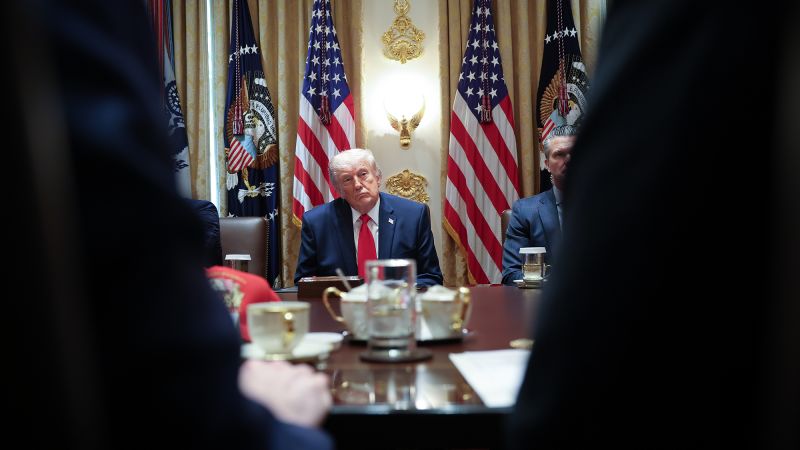
Trump Signs Executive Order to Secure Early Access to New AI Models
Trump signs executive order asking for access – On Tuesday, President Donald Trump finalized an executive order aimed at granting federal authorities early access to cutting-edge AI models, enabling them to assess cybersecurity risks and safeguard essential national infrastructure. The directive, which emphasizes collaboration between the government and private sector, comes amid growing unease over the potential threats posed by advanced AI systems. Models such as Anthropic’s Mythos have sparked alarm in both government agencies and financial markets due to their ability to identify and exploit security vulnerabilities at an unprecedented rate.
The order mandates that AI developers voluntarily submit their most sophisticated models to the federal government up to 30 days prior to public release. This provision allows cybersecurity experts to evaluate the technology’s risks before it reaches wider audiences. The initiative is designed to strike a balance between fostering innovation and ensuring security, as highlighted by a White House spokesperson who stated the measure reflects Trump’s “common-sense approach of working with industry to align progress with protection.” The spokesperson added that the policy “strengthens America’s position as a global leader in artificial intelligence and cybersecurity.”
While the executive order was initially set for a May 20 signing ceremony, it faced last-minute delays. Trump postponed the event just hours before the scheduled announcement, citing dissatisfaction with specific aspects of the proposal. “I thought the order might act as a barrier to AI growth,” he remarked, “so I wanted to ensure it doesn’t hinder progress.” The revised version, finalized after a Monday meeting with top advisors and cabinet officials, shortened the review period from 90 days to 30 days—a change that industry insiders supported, arguing the rapid pace of AI development necessitates quicker decision-making.
According to a source with knowledge of the process, the updated order was approved following discussions with key stakeholders. The White House emphasized that the voluntary pre-release of models does not imply mandatory government oversight, clarifying that “nothing in this directive shall be interpreted as requiring a licensing or preapproval system.” This distinction is critical for companies like Anthropic and OpenAI, which have been working closely with the administration to shape the policy.
Anthropic, a major player in the AI field, was recently added to the Pentagon’s blacklist for its “supply chain risk” in the development of AI models capable of manipulating classified military data. The company’s Mythos model, which has drawn significant attention, is set to be released to all customers in the coming weeks. OpenAI, another leading firm, has also shared early access to its advanced systems with select governments and corporations to aid in threat preparation. The order now aligns these efforts by formalizing the process for federal evaluation.
OpenAI’s chief global affairs officer, Chris Lehane, praised the executive order as a “significant step forward.” He noted that the policy “demonstrates the commitment to safety and innovation working in tandem,” which is vital for maintaining the United States’ dominance in AI. “As AI capabilities evolve, we believe robust safety frameworks must be developed through democratic institutions, guided by technical insights and broad stakeholder engagement,” Lehane stated. This sentiment is echoed by Microsoft’s President Brad Smith, who affirmed that the order “promotes accountability and public trust while supporting the advancement of AI.”
“This executive order is an important step toward advancing innovation while protecting the security of the American public. We welcome this effort by the Administration,” said Brad Smith.
Industry experts argue that the 30-day window is essential for addressing the speed at which AI models are developed. “The technology is evolving so quickly that a 90-day review could become outdated before the process even begins,” remarked a senior analyst. The revised order, however, still allows companies to share models with other partners, ensuring flexibility without compromising security.
Earlier this month, the Department of Commerce’s National Institute of Standards and Technology (NIST) had announced a similar plan, urging tech giants to provide unreleased versions of their AI models for national security and public safety assessments. Despite this, the NIST initiative is no longer prominently featured on the Commerce Department’s website, suggesting a shift in focus toward the executive order.
Trump’s administration has taken a more hands-off approach to AI regulation until recent developments forced a change in strategy. The Mythos model, with its ability to rapidly uncover cybersecurity weaknesses, became a catalyst for the new policy. “Advanced AI can amplify cyberattacks exponentially,” noted a cybersecurity expert, “so early review is crucial to prevent vulnerabilities from being exploited before they’re widely known.”
The order also introduces the concept of a “cybersecurity clearinghouse,” a centralized hub for information exchange between national security agencies and private companies. This mechanism is intended to streamline the sharing of data and improve the government’s ability to respond to emerging threats. The policy’s emphasis on voluntary cooperation reflects Trump’s preference for industry partnerships over strict regulatory mandates.
OpenAI’s CEO, Sam Altman, is set to meet with the White House and congressional leaders on Wednesday, according to a person familiar with the situation. The agenda of these meetings remains undisclosed, but they are expected to focus on further refining the executive order’s provisions. Altman’s involvement underscores the administration’s effort to engage directly with AI leaders, ensuring the policy is practical and aligned with industry needs.
While the order’s framework is clear, its implementation raises questions about the balance between security and innovation. Some analysts worry that even a 30-day review could slow down the development of next-generation AI, but others argue it provides a necessary safeguard. “The government needs time to understand the risks, but companies must also retain the freedom to move quickly,” said one industry representative. “This order strikes a reasonable middle ground.”
The executive order’s impact on the AI landscape is already being felt. With the Mythos model set for broader release, the government’s ability to evaluate its risks has been formalized. This proactive approach is seen as a model for future AI governance, combining oversight with collaboration. As the U.S. continues to lead in AI innovation, the policy sets a precedent for how critical infrastructure and cybersecurity can be protected without stifling technological progress.
Trump’s decision to delay the signing of the order until Tuesday highlights the administration’s responsiveness to industry feedback. By shortening the review period, the executive order addresses concerns about the pace of AI development while retaining the government’s ability to act swiftly. This flexibility is a key selling point for the policy, as it accommodates the dynamic nature of AI innovation.
As the order takes effect, the focus will shift to how AI companies navigate the new requirements. While some may view the 30-day window as a minor inconvenience, others see it as a necessary step in ensuring national security. The policy’s success will depend on its ability to foster trust between the government and the private sector, enabling both to work toward a safer and more innovative future for AI technology.
