
How dangerous is watching the World Cup in Mexico, really?
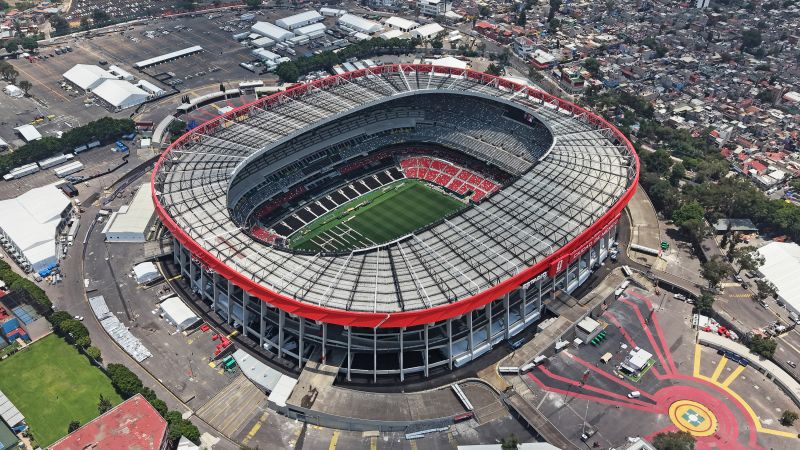
Enhanced Security Measures for the World Cup in Mexico
How dangerous is watching the World – As the World Cup approaches, Mexico is preparing to welcome a surge of international visitors to its three host cities: Mexico City, Guadalajara, and Monterrey. While the event promises vibrant cultural experiences, from festive murals to iconic player statues, it also brings heightened vigilance to ensure safety. Nearly 100,000 security personnel are expected to be deployed across these cities and surrounding areas, part of a sweeping initiative known as Plan Kukulkan. Named after a revered serpent deity in Maya mythology, the plan unites federal, state, and local agencies, with support from co-hosts Canada and the United States, to create a robust framework for protecting both attendees and the nation’s reputation. Mexican authorities are confident that this coordinated effort will mitigate risks, even as the country grapples with its history of cartel-related violence and criminal activity.
Plan Kukulkan: A Multi-Layered Approach
The security strategy, Plan Kukulkan, emphasizes collaboration across multiple levels of governance. It includes specialized units, real-time monitoring systems, and increased patrols in high-traffic zones. The plan also prioritizes infrastructure upgrades, such as improved lighting in public spaces and enhanced communication between police departments. According to officials, these measures will not only deter large-scale threats but also address smaller, everyday dangers that could disrupt the visitor experience. The initiative is seen as a critical step in transforming Mexico’s image as a destination for global sporting events, though experts remain cautious about its effectiveness in the long term.
Mexico City: Safe but Not Immune
Mexico City, the capital and host of five World Cup matches including the opening game on June 11, is often cited as one of the country’s safest urban centers. However, researchers caution that it still faces risks tied to organized crime. Víctor Manuel Sánchez Valdés, a scholar at the Autonomous University of Coahuila, notes that while the city has a high per capita police presence and extensive surveillance systems, it remains a hub for illicit networks. These groups are involved in activities such as piracy, human trafficking, and drug smuggling, though they are less dominant than in other host cities. “The city’s security profile is unique,” Sánchez said. “It has more cameras and officers than most places, but that doesn’t eliminate the possibility of crime.”
“Very large networks of piracy, human trafficking, prostitution, obviously drug dealing, and some extortion exist here. Yet, it’s also the area with the highest police presence and surveillance, which gives it a different crime profile,” Sánchez told CNN.
Despite these efforts, street-level crimes like pickpocketing and petty theft remain a concern. Teresa Martínez, a professor at Tecnológico de Monterrey, highlighted the challenge of ensuring safe transportation in the sprawling metropolis, which serves as a critical artery for fans. “Mexico City’s 22 million residents depend on a reliable transit system, and the same applies to visitors,” she explained. “Security alone isn’t enough; you need a system that runs 24/7, is accessible, and feels secure.”
Guadalajara: A City in the Crosshairs
Guadalajara, the host of four group-stage matches, is a focal point for security concerns due to its deep ties to cartel violence. As the capital of Jalisco, the city is under the influence of the Jalisco New Generation Cartel (JNGC), one of Mexico’s most powerful criminal organizations. The JNGC’s control over the state has led to frequent clashes with security forces, as well as a spike in disappearances. In February, the capture of its leader, Nemesio “El Mencho” Oseguera Cervantes, triggered a wave of retaliation, with the cartel targeting vehicles, businesses, and public spaces. The Jalisco government reports over 16,000 missing persons cases, many linked to the cartel’s operations.
“It seems to me that of the three (host cities), Guadalajara deserves particular attention,” said Martínez.
While these violent incidents primarily affect local residents, tourists may still face risks. “Visitors might encounter theft or fraud, but the threat of large-scale criminal control is less direct,” noted Victoria Dittmar, a senior researcher at the InSi think tank. However, the proximity of the city’s main stadium to areas where bodies have been discovered in recent months raises questions about the safety of high-profile locations. Martínez emphasized that the city’s security plan must account for both organized crime and the logistical demands of hosting a global event.
Monterrey: A Mixed Bag of Challenges
Monterrey, another World Cup host city, presents a different set of security challenges. While it is not as heavily affected by major cartels as Guadalajara, it still sees significant criminal activity, particularly in areas with high tourist concentrations. Authorities are implementing targeted measures, such as mobile checkpoints and drone surveillance, to monitor crowds and deter incidents. The city’s security plan also includes partnerships with private security firms, which will supplement government efforts during the event. Yet, experts warn that even in well-policed areas, petty crimes can thrive in the chaos of large gatherings.
Transportation networks in Monterrey will undergo significant changes to accommodate the influx of fans. With thousands of vehicles expected to enter the city daily, traffic management becomes a priority. Specialized traffic police will be deployed to ease congestion, while pedestrian pathways will be expanded near stadiums and fan zones. “The goal is to create a seamless experience for visitors, but that requires more than just police presence,” said Martínez. “You need coordinated systems to handle everything from parking to emergency response.”
The Human Cost of Crime
Across Mexico, the legacy of cartel violence and impunity continues to shape public perception. For years, communities have organized grassroots efforts to locate missing persons, often uncovering hundreds of clandestine graves. These efforts underscore the persistent impact of organized crime on everyday life. While the World Cup aims to showcase the country’s ability to manage large-scale security, it also highlights the ongoing struggle against systemic issues. Sánchez pointed out that the event’s success depends on addressing both visible and hidden threats, from street-level crimes to organized gangs.
The World Cup’s security plan is a testament to Mexico’s commitment to protecting its international reputation. However, as the nation prepares for the spotlight, questions linger about whether these measures will be enough to safeguard all participants. With over 100,000 officers deployed nationwide, the hope is that the combination of technology, manpower, and inter-agency cooperation will create a safer environment. Yet, the presence of criminal groups in key locations serves as a reminder that safety is not guaranteed, even in the most prepared cities.
As the countdown to the tournament begins, visitors will be greeted by a mix of excitement and vigilance. While the likelihood of a major security incident is low, the risk of minor crimes remains. The World Cup’s organizers are working closely with local authorities to ensure that the event runs smoothly, but the true test of their efforts will be in the days and weeks to come. Whether Mexico can maintain its safety profile under the pressure of global attention remains to be seen.
