
Freed Gaza flotilla activists accuse Israeli forces of sexual violence and abuse while in custody
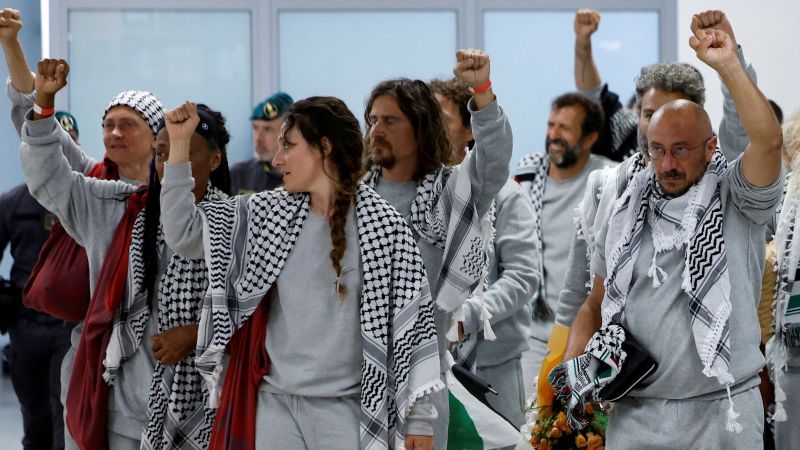
Freed Gaza Flotilla Activists Accuse Israel of Sexual Violence During Custody
Freed Gaza flotilla activists accuse Israeli forces of sexual violence and abuse during their detention. These allegations, gathered from survivors of the humanitarian mission, include claims of beatings, torture, and physical harm. The 428 individuals aboard the Global Sumud Flotilla were intercepted over several days before being returned to Turkey. Their accounts, shared with international human rights groups, have sparked debates about the treatment of detainees. Adalah, an Israeli rights organization, has collected testimonies from the activists, while the Israel Prison Service (IPS) denies these claims, asserting that procedures are followed correctly.
Accounts of Brutal Treatment
Survivors describe a pattern of severe mistreatment, including the use of taser shocks and rubber bullets. Some reported broken bones, while others detailed sexual assaults during their time in custody. One activist recounted being subjected to “forcible penetration by a handgun” in a shipping container, which they called an Israeli “prison boat.” These experiences, shared at Istanbul Airport, highlight the harsh conditions faced by those detained. Adalah’s international advocacy coordinator, Miriam Azem, noted that the violence is part of a broader strategy to intimidate participants. “This is the most severe abuse we’ve seen in a decade,” she emphasized, underscoring the need for independent verification of claims.
Survivors’ Experiences
“You know they’ve broken our bones, but they haven’t broken our soul,” said Juliet Lamont, an Australian filmmaker and activist. She described being beaten and sexually assaulted by five men in a shipping container, wearing a grey tracksuit issued by the IPS as a symbol of her detention. Another participant, a Palestinian journalist, described the ordeal as a “year of suffering.” Zack Schofield, an Australian national, detailed his experience of being zip-tied in a painful position for 40 minutes, nearly vomiting from the strain. He also recounted being struck repeatedly during immigration, with knees delivered to his chest and pliers used to pull his ears back. “I saw others chokeslammed into the ground,” Schofield added, illustrating the intensity of the alleged mistreatment.
The survivors’ accounts reveal a consistent narrative of violence and abuse, with some fearing retaliation for speaking out. These testimonies have been shared with legal representatives, who are now working to substantiate the claims. Adalah’s efforts to document the incidents have drawn international attention, with the organization insisting that the treatment of detainees is not just physical but also psychological.
International Response and Condemnation
Global leaders have expressed concern over the allegations, with Germany calling them “serious” and Italy confirming investigations into potential crimes. Canada’s Foreign Minister, Anita Anand, condemned the mistreatment of Canadians in Israeli custody, stressing that accountability is essential. These reactions reflect a wider push for scrutiny of Israel’s actions, particularly amid criticism of its far-right National Security Minister, Itamar Ben-Gvir, who shared footage of the events with the public. The international community is now demanding transparency and a clear explanation for the reported abuse.
Adalah has worked with flotilla activists for over a decade, providing legal representation and support. The group’s coordinator, Miriam Azem, noted that the current incident is among the most severe. However, the Israel Prison Service maintains that all detainees are treated in accordance with legal standards. Some survivors hesitated to give detailed accounts due to fears of retaliation, while others were still in custody during initial interviews. Despite these challenges, the repeated testimonies from multiple participants have lent credibility to the allegations.
The Humanitarian Mission’s Impact
The Global Sumud Flotilla aimed to deliver critical aid to Gaza, including food, medicine, and supplies for civilians. Its interception and detention have raised questions about the prioritization of humanitarian efforts versus security measures. The activists, originally from Turkey, were held for several days before being released. Their experiences, now part of a broader narrative, have drawn comparisons to past incidents and fueled calls for reform. While the mission succeeded in delivering aid, the suffering endured by some participants has cast a shadow over its purpose.
